Pop Culture Meets DeFi
The line between finance and entertainment is vanishing fast, and nowhere is that more obvious than in the world of decentralized finance (DeFi). Once the domain of developers and crypto purists, DeFi has become a cultural playground where memes, influencers, and digital tribes drive market momentum. For Gen Z investors, this is more than a financial revolution it’s a creative movement blending social currency with actual capital.
DeFi in the Age of Pop Culture
DeFi was built to decentralize control, remove middlemen, and make finance transparent. But as social platforms evolved, pop culture injected a new energy into this space. Music artists, gamers, and content creators began using DeFi tools to connect directly with their audiences. Tokens became not just investment vehicles but badges of belonging.
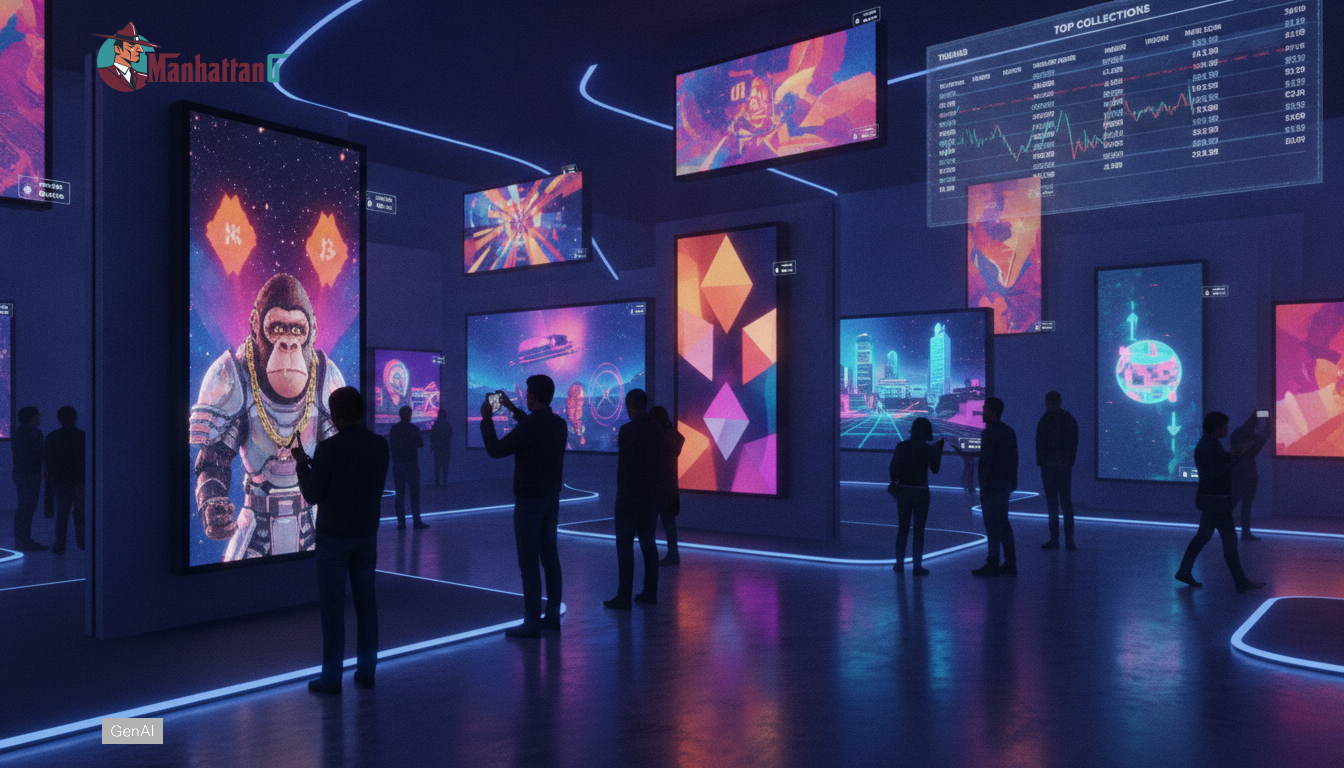
When a rapper drops an NFT album tied to staking rewards or a digital artist launches a governance token for fans, that’s DeFi powered by pop culture. It’s no longer about obscure yield farms it’s about identity, participation, and creative ownership.
From Memes to Markets
Memes are now a legitimate force in decentralized finance. What once seemed like internet humor has evolved into a market-shaping mechanism. Communities on Reddit, X, and Discord use memes to rally around tokens, mobilize liquidity, and sustain engagement.
DeFi projects have learned to speak this language. Platforms increasingly use humor, storytelling, and cultural symbolism to attract users. A meme campaign can generate more visibility than a marketing budget. In this environment, a strong online presence is just as important as solid tokenomics.
Gen Z: The Bridge Generation
For Gen Z, pop culture isn’t a distraction it’s the framework for how they understand the world. They don’t separate finance from lifestyle or investing from creativity. This generation grew up trading skins in games, buying virtual art, and supporting creators online. DeFi fits naturally into their worldview because it aligns with their values: inclusivity, transparency, and community-driven ownership.
Social media has become the new Wall Street trading floor. TikTok clips explain staking and yield farming; Twitter threads break down liquidity pools; Discord servers act as investment clubs. DeFi is no longer limited to coders it’s being rebranded as a digital lifestyle where participation feels like fandom.
The Role of RMBT and Next-Gen Infrastructure
As culture accelerates, speed and interoperability become essential. That’s where RMBT (Real-Time Multi-Blockchain Transfer) technology comes in. RMBT simplifies cross-chain transactions, allowing users to move assets across ecosystems instantly. For creators launching multi-chain NFT drops or DeFi projects tied to fan tokens, this interoperability ensures that culture moves as fast as the conversation.
In a pop culture-driven DeFi landscape, RMBT functions as the invisible infrastructure making the experience seamless. It enables fans, investors, and creators to interact across blockchains without the friction of traditional transfers. That’s critical when community trust and engagement hinge on immediacy.
The Celebrity Catalyst
Pop culture thrives on influence, and DeFi has no shortage of celebrity involvement. Artists, athletes, and digital creators are exploring decentralized ownership models from tokenized fan clubs to royalty-sharing smart contracts. These experiments expand the concept of wealth beyond cash to include reputation, creativity, and digital identity.
However, this celebrity-driven enthusiasm also brings challenges. Hype cycles can cause market bubbles, and uninformed participation can lead to losses. The key difference with DeFi is that fans are no longer passive consumers—they’re stakeholders. This dynamic reshapes how influence works: participation becomes power.
The Cultural Impact of Decentralization
DeFi’s intersection with pop culture is bigger than finance it’s a redefinition of value. It asks: what if culture itself could be tokenized, traded, and governed by the community that creates it? This idea is turning entertainment into an economy, where fans earn from the worlds they help build.
In this new model, music rights, digital art, and fandoms exist on the same financial layer. Ownership becomes collective, and participation becomes profit. That’s not a niche trend it’s the foundation of a new digital renaissance where finance fuels creativity instead of limiting it.
The Road Ahead
As DeFi continues to mature, expect to see even tighter integration between culture and code. Gaming guilds, fashion brands, and content platforms are already experimenting with DeFi mechanisms like staking rewards and DAO governance. The next step will be a seamless ecosystem where pop culture moments concerts, drops, and memes automatically link to financial networks.
Gen Z investors are leading this evolution with an understanding that finance is no longer just about money it’s about meaning. DeFi represents the infrastructure; pop culture provides the emotion. Together, they form the architecture of modern participation.
Conclusion
The convergence of pop culture and DeFi signals a generational shift in how people view wealth, identity, and influence. For a generation raised on digital connection, financial participation has become cultural expression. DeFi’s decentralized principles and RMBT’s rapid interoperability empower individuals to turn creativity into capital.

Recent Comments