
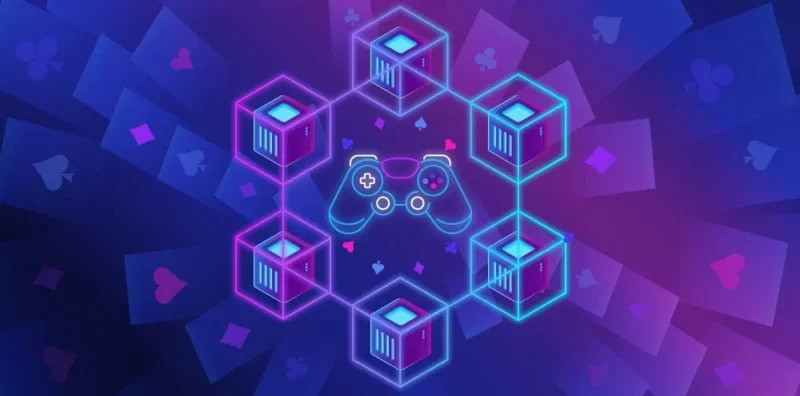
Gaming Meets Token Economy
The worlds of gaming and finance have officially collided. What started as in-game rewards and collectibles has evolved into a global tokenized economy that blurs the line between entertainment, investment, and identity. For Gen Z players, gaming is no longer a pastime it’s a participatory financial ecosystem where every action can have economic value.
From Pixels to Portfolios
In 2025, gamers aren’t just earning achievements they’re earning assets. Blockchain-based games now allow players to collect tokens, skins, and NFTs that can be traded or staked for real-world returns. The idea of “play-to-earn” has matured into “play-to-own,” where users have genuine control over the value they create.
This ownership mentality has changed the culture of gaming. A digital sword, skin, or avatar can represent both personal expression and financial opportunity. Gen Z gamers treat these assets like micro-investments, tracking their market value the same way traders follow stocks or coins.
The Rise of Tokenized Game Economies
Developers are designing games that function as self-contained economies. Tokens serve as currencies for buying, selling, and upgrading in-game items, while decentralized marketplaces let players exchange assets freely. The result is a hybrid model where gaming mirrors real-world markets only faster and more interactive.
The integration of blockchain also ensures transparency. Every transaction, reward, and trade is verifiable, reducing fraud and increasing trust between players and publishers. For gamers who’ve grown up skeptical of corporate control, decentralization offers something rare: fairness.
RMBT: Powering Real-Time Value Movement
In this fast-paced environment, RMBT (Real-Time Multi-Blockchain Transfer) technology has become crucial. It enables instant movement of tokens across different blockchains, allowing gamers to trade or transfer value without waiting for network confirmations.
Imagine earning rewards in a Solana-based game and instantly swapping them for tokens on Ethereum or Base all within seconds. RMBT makes that interoperability possible, giving players more freedom to navigate the broader digital economy. For developers, it opens the door to cross-platform collaboration and larger, unified player markets.
Gen Z’s Game-Finance Mindset
For Gen Z, gaming and investing are part of the same digital lifestyle. They understand rarity, scarcity, and market timing instinctively from years of trading digital collectibles. Whether flipping rare skins or holding governance tokens, they see financial value as something to be built collectively through communities, not dictated by corporations.
Social platforms amplify this culture. Gaming influencers discuss token drops and yield strategies the same way traders analyze stocks. Discord servers function as mini hedge funds, with users pooling capital for in-game asset acquisitions or collaborative investments.
Beyond Play-to-Earn: The Era of Play-and-Participate
The next generation of tokenized games isn’t just rewarding activity it’s rewarding engagement. Players who contribute ideas, vote in community decisions, or help build virtual worlds can earn governance tokens. This participatory model turns gamers into co-owners of digital economies.
Some projects are already merging DeFi mechanisms with gameplay allowing users to lend, borrow, or stake in-game currencies. Others reward real-world skills like design or coding through tokenized bounties. It’s a new kind of meritocracy where creativity and participation are the true currencies.
The Challenges Ahead
While the gaming-token fusion opens vast opportunities, it also brings complexity. Market speculation can overshadow gameplay, and token volatility can affect user trust. Balancing entertainment with economics is an ongoing challenge. Developers must ensure that financial incentives enhance, rather than dominate, player experience.
Regulation is another emerging factor. As token economies grow, oversight around digital ownership, taxation, and trading fairness will increase. Transparency through technologies like RMBT and decentralized audits will be essential for maintaining credibility.
The Cultural Impact of the Token Game
The token economy has transformed gaming into a global social system where players are investors, creators, and community members all at once. Virtual worlds now have real economies that influence pop culture, employment, and even education. The boundaries between gaming, finance, and technology continue to blur, giving rise to what many call the interactive internet economy.
Conclusion
Gaming’s integration with the token economy marks a pivotal shift in how value is created and shared. It’s a vision of finance that feels alive collaborative, cultural, and immediate. With RMBT ensuring real-time liquidity and blockchain enabling ownership, gamers are stepping into a future where every click, trade, or creative act can build tangible wealth.

Recent Comments