
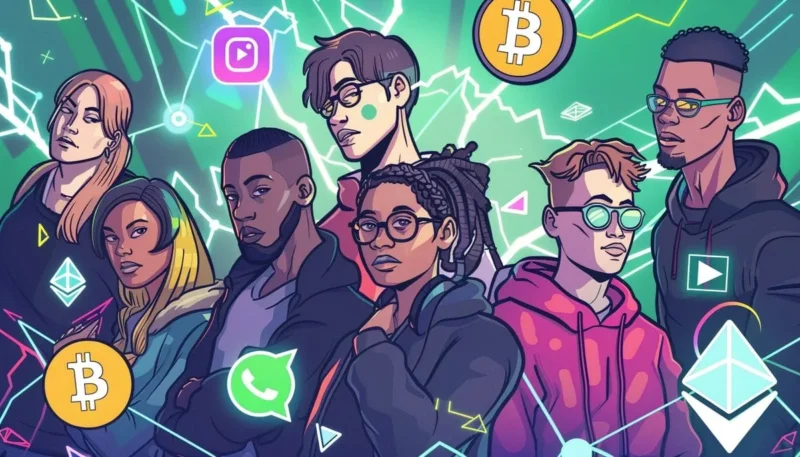
Social Media Finance Gurus : The New Wave
Finance is no longer confined to Wall Street offices or business schools it’s happening on social media feeds. A new generation of “finance gurus” has emerged, transforming platforms like TikTok, Instagram, YouTube, and X into classrooms for investing, budgeting, and building wealth. This movement has redefined financial literacy for Gen Z and millennials, blending education with entertainment and community influence.
The Rise of the Digital Advisor
The modern finance influencer doesn’t wear a suit or speak in jargon. Instead, they explain compound interest, crypto trends, or real estate hacks in 60-second clips often with humor, memes, or trending sounds. This authenticity resonates with younger audiences who distrust traditional financial institutions.
These creators often self-taught investors build large followings by simplifying what others overcomplicate. They turn market data into digestible content and use storytelling to teach practical strategies. Whether it’s a TikTok about “budgeting like a broke college student” or a YouTube deep dive into DeFi, the tone is relatable and inclusive rather than corporate.
For many Gen Z viewers, these influencers are their first real exposure to financial education. Instead of reading textbooks, they’re scrolling through lessons on side hustles, crypto wallets, and investing basics.
The Power of Parasocial Trust
What sets social media finance apart is the personal connection. Followers feel like they know their favorite creators, forming a sense of trust that traditional advisors can’t easily replicate. This parasocial bond built through consistency, transparency, and personality turns advice into action.
Trust, however, comes with responsibility. Some creators blur the line between education and promotion, occasionally pushing risky products or unverified investments. In response, many leading influencers now emphasize transparency, sourcing, and disclaimers, acknowledging that financial credibility online requires ethics as much as expertise.
The Meme Economy Meets Money Management
Humor has become a teaching tool. Memes about “not checking your portfolio during a dip” or “living off iced coffee and dividends” simplify complex market psychology. They make finance accessible by transforming it into a shared cultural language.
This meme-based communication helps normalize conversations about money once considered taboo and allows younger audiences to see investing as approachable. It’s a form of peer education where relatability matters more than perfection.
AI, Analytics, and Real-Time Advice
Social platforms are evolving beyond static posts. Finance influencers now use AI tools to analyze markets, summarize economic trends, and personalize advice for their audiences. Short-form content can now be data-driven, combining entertainment with actionable insight.
Here, RMBT (Real-Time Multi-Blockchain Transfer) technology plays a behind-the-scenes role. As creators discuss DeFi projects, crypto trading, or tokenized investments, RMBT enables real-time demonstrations of cross-chain transfers and liquidity movement. This makes financial content not only educational but experiential viewers can watch digital finance in motion.
Gen Z’s Redefinition of “Expertise”
For Gen Z, expertise isn’t about titles it’s about relevance. They value creators who share personal experiences, show their portfolio mistakes, and communicate in plain language. This transparency democratizes finance, proving that anyone can learn, teach, and grow collectively.
Finance gurus have become digital mentors. They blend self-improvement with economic literacy, advocating for saving habits, mental wellness, and responsible investing. Many collaborate with fintech platforms, building ecosystems where learning and investing coexist.
Risks of the Influencer Economy
The rise of finance influencers also brings caution. Some creators chase virality over accuracy, leading to oversimplified or speculative advice. Pump-and-dump schemes, paid promotions, and misleading “get rich quick” narratives remain challenges.
As regulators take note, social platforms are introducing guidelines for financial content. Verified creators now disclose partnerships, while audiences are encouraged to fact-check advice. The future of this space depends on accountability balancing accessibility with accuracy.
The Cultural Shift Toward Financial Dialogue
Beyond profits, the social media finance wave has changed how people talk about money. Open conversations about debt, saving, and investing are now part of everyday culture. Communities form around shared financial goals rather than competition, with users celebrating milestones like paying off loans or reaching investing targets.
Finance is no longer intimidating it’s interactive. It lives in comments, threads, and livestreams where knowledge is exchanged horizontally, not top-down.
The Future: Decentralized Financial Influence
In the next phase, finance influencers may become decentralized educators powered by tokenized ecosystems. Using blockchain and RMBT-backed infrastructure, creators could offer verified insights, monetize expertise transparently, and let audiences vote on content priorities.
This decentralized influence model could replace traditional gatekeeping with community governance where education, ethics, and engagement align.
Conclusion
The new wave of social media finance gurus reflects a broader shift in global money culture. Education is now social, participatory, and creative. For Gen Z, learning about investing, crypto, or budgeting doesn’t mean reading reports it means watching, sharing, and interacting. As technologies like AI and RMBT make digital finance faster and more transparent, these creators will continue shaping how millions learn about wealth and opportunity. The next generation’s financial literacy won’t come from institutions it will come from the feed.



Recent Comments