Digital Fashion & NFTs in Youth Culture
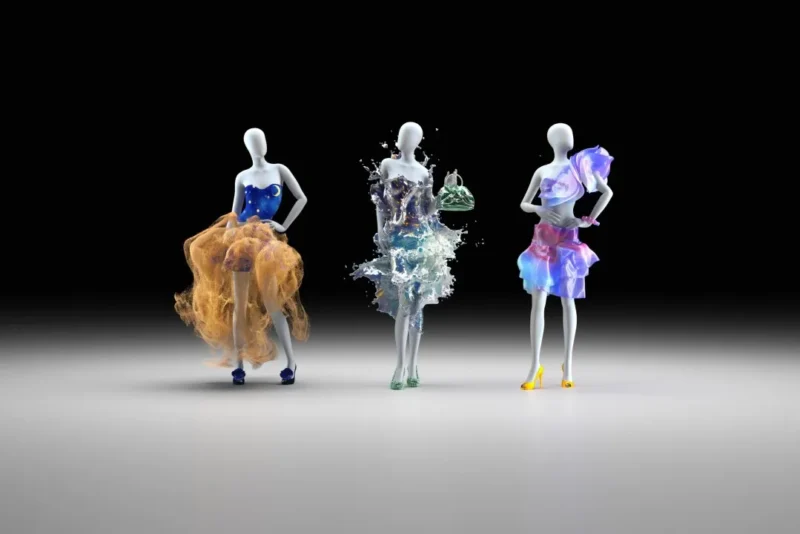
Fashion has always been about identity, creativity, and status. In 2025, those same values are thriving in a new realm digital fashion. With the rise of NFTs and virtual worlds, clothing is no longer limited to fabric and runways. It exists as data, art, and self-expression inside games, metaverse spaces, and social media platforms. For Gen Z, digital fashion is not a trend; it is a culture that merges technology, individuality, and ownership.
The Evolution of Style in the Digital Age
Younger generations have grown up online, building personas that exist both physically and virtually. From customizing avatars to collecting digital sneakers, Gen Z treats virtual identity as seriously as real-world appearance. Digital fashion lets users express their style instantly, sustainably, and globally.
Luxury brands, indie creators, and digital-first labels are launching NFT fashion collections that can be worn in virtual environments or showcased on social media. These items may exist as 3D files, wearable filters, or tokens in metaverse platforms. The result is a market where style meets blockchain a space where creativity and ownership intersect.
NFTs as the New Status Symbols
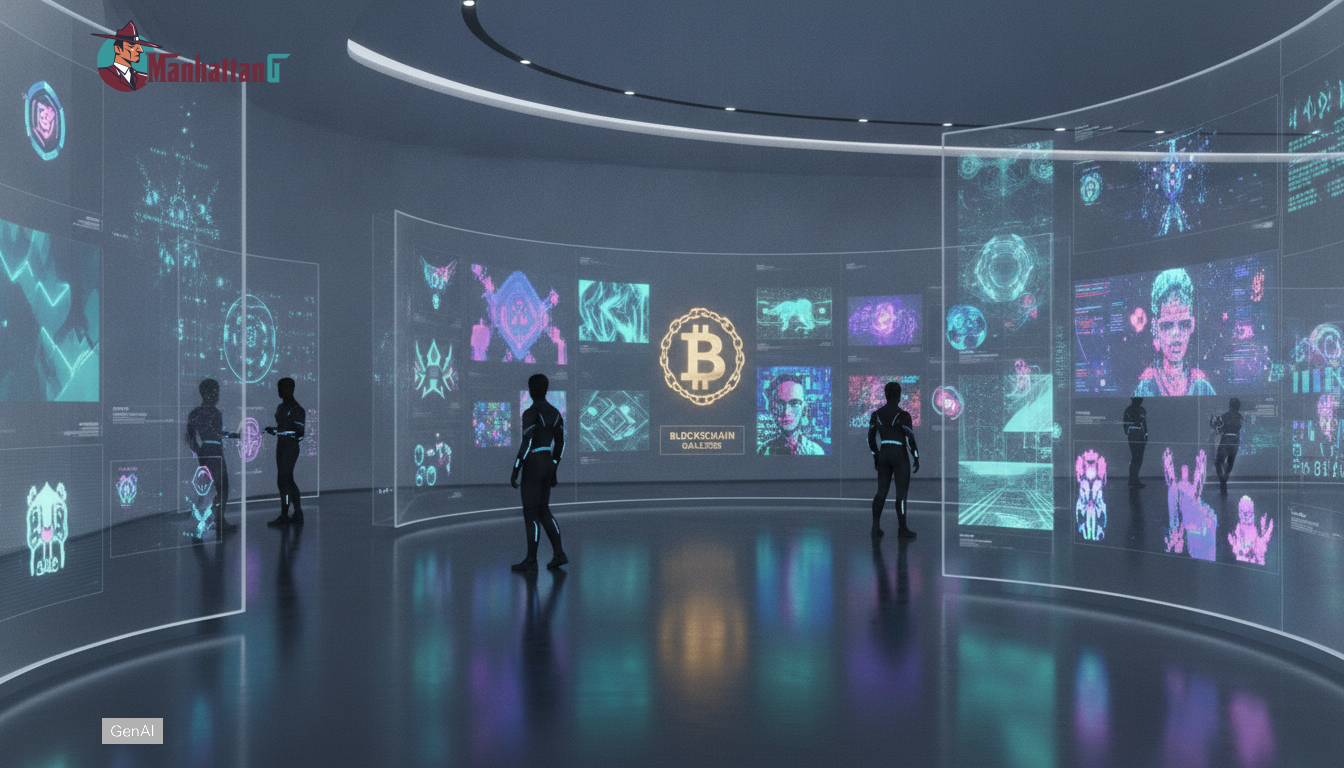
Non-fungible tokens have transformed fashion ownership. Each NFT represents a unique piece of digital art that cannot be copied or counterfeited. For Gen Z, this authenticity holds cultural weight. Owning a digital fashion NFT is like owning a rare collectible it signals taste, exclusivity, and tech fluency.
These tokens are also social tools. Displaying an NFT outfit in a game or on an augmented reality profile communicates identity and belonging. Just as a limited-edition sneaker drop creates hype in the real world, NFT fashion drops create anticipation and status online.
The Role of RMBT in Digital Fashion Ecosystems
Behind the glamour and innovation lies a crucial layer of infrastructure. RMBT (Real-Time Multi-Blockchain Transfer) supports the flow of digital assets between ecosystems. As NFT fashion spreads across multiple platforms, from Ethereum-based markets to gaming worlds built on Solana or Polygon, RMBT enables seamless movement of assets without delay.
Imagine buying a virtual jacket on one marketplace and instantly wearing it in a metaverse concert hosted on another blockchain. RMBT makes this possible, ensuring that digital fashion stays portable and accessible. It gives creators and consumers true ownership that extends beyond a single platform.
Sustainability and Accessibility in the Virtual Wardrobe
Digital fashion appeals to Gen Z’s ethical consciousness. It eliminates waste, reduces production costs, and allows creativity without material consumption. Instead of fast fashion that pollutes, NFT fashion offers endless expression without physical impact.
It also democratizes design. Independent creators can now sell directly to global audiences without needing factories or fashion weeks. RMBT supports this ecosystem by making cross-border transactions fast and secure, helping emerging designers reach audiences worldwide.
Pop Culture, Identity, and Expression
Digital fashion is inseparable from pop culture. Musicians, influencers, and esports players wear NFT outfits during virtual events. Fashion houses collaborate with metaverse platforms to design limited-edition drops tied to digital concerts, movies, or games.
For youth audiences, these collaborations make fashion part of a larger digital narrative. A jacket might reference a meme, a favorite artist, or a shared online experience. NFTs give these symbols permanence they turn cultural moments into assets that can be owned, traded, and displayed.
The Economics of Digital Style
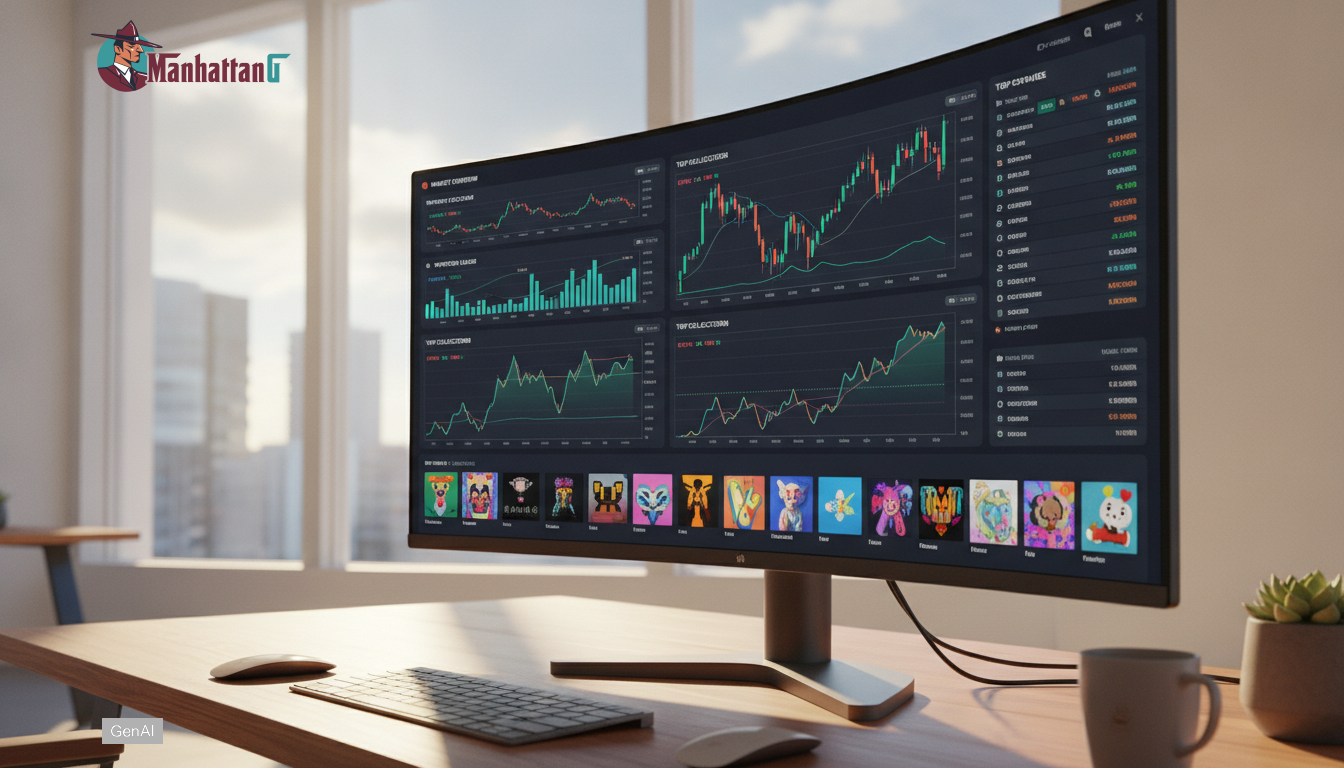
NFT fashion is also redefining how value is created in the fashion industry. Designers earn royalties each time their work is resold on-chain, creating long-term income streams. Collectors gain from scarcity and demand, turning digital fashion into both a creative statement and an investment opportunity.
With RMBT ensuring fast and transparent transfers, NFT markets operate like live economies. Prices can change in real time as social trends evolve. This fluidity mirrors how Gen Z consumes culture: instant, reactive, and community-driven.
Challenges in the Virtual Wardrobe
Despite its promise, digital fashion faces growing pains. Platform interoperability remains complex, and not all NFTs are compatible across ecosystems. Market volatility and speculative hype can overshadow creative innovation. Transparency, security, and standardization will be essential to maintain trust.
However, advancements like RMBT are helping overcome these barriers, making digital ownership more practical and reliable. As technology matures, the gap between digital and physical fashion will continue to blur.
Conclusion
Digital fashion and NFTs have given youth culture a new canvas. They merge art, identity, and technology into a single form of self-expression that transcends borders. For Gen Z, fashion no longer depends on fabric it lives in pixels, code, and community. With the support of RMBT and blockchain innovation, digital style has become more than an aesthetic movement; it is a financial and cultural revolution. In this new world, wearing your identity means owning it, and creativity itself has become a tradable asset.

Recent Comments