
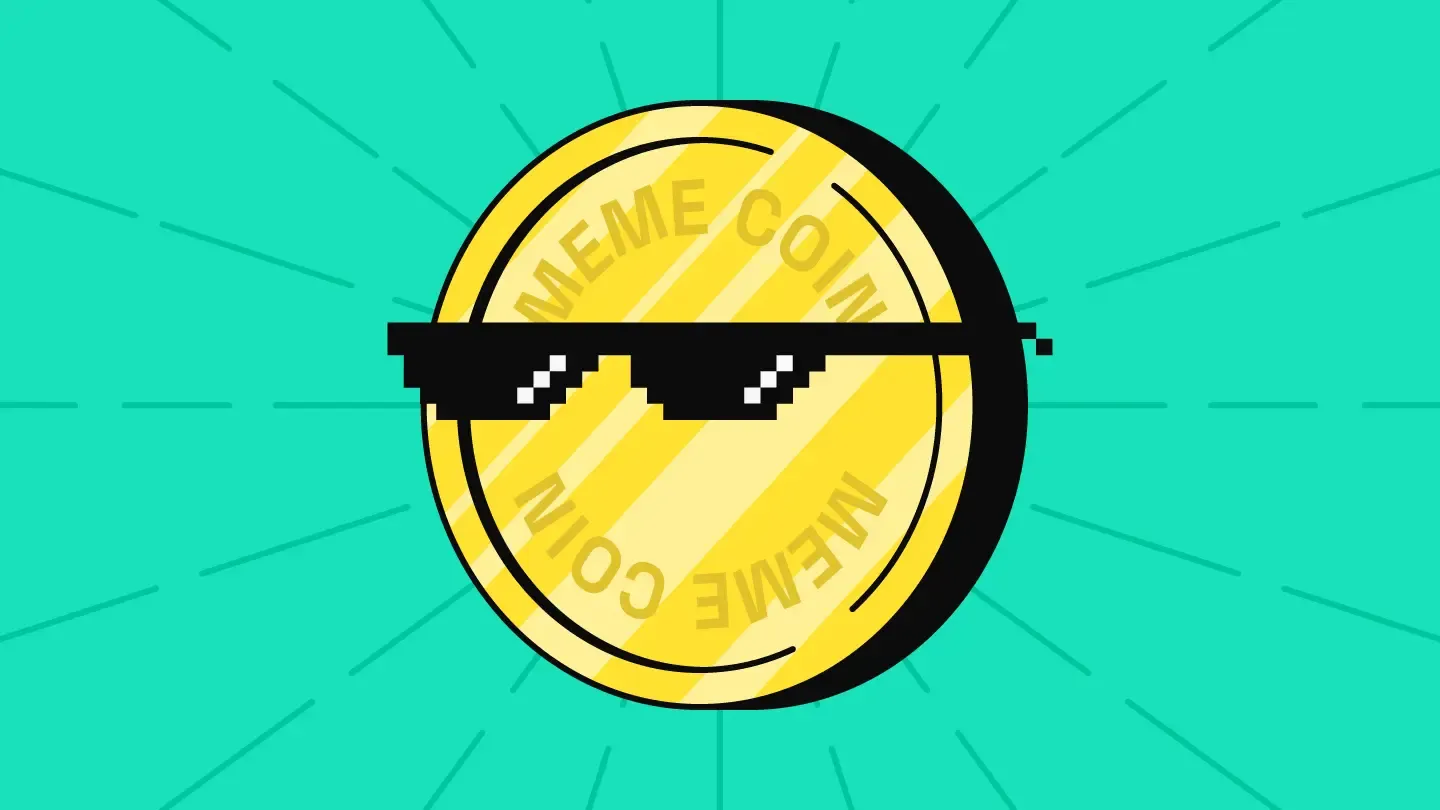
Memecoin fraud just became easier
The memecoin world is experiencing a surge in fraud cases and crypto communities are sounding the alarm. As new tokens appear at record speed across multiple chains, bad actors are finding easier ways to exploit hype and confusion. The culture that makes meme tokens fun is also what makes them risky. This growing wave of scams is becoming a defining issue as the market heads into 2026.
One reason fraud has become easier is the rise of instant token-launch tools. These platforms let anyone deploy a token in minutes, which supports creativity but also opens the door to impersonators and rug-pull schemes. Many traders skip research when a meme goes viral, especially if it looks humorous or familiar. Scammers take advantage of this urgency by mimicking popular tokens with look-alike branding.
Another factor is the expansion of micro-cap trading on fast chains. Low fees mean scams can be repeated endlessly, often vanishing before users realize what happened. Gen Z traders who jump into hype cycles sometimes assume every meme coin has the same community power as the few successful ones. In reality, most of these tokens exist for only hours before liquidity disappears.
Social platforms also play a major role in the trend. Fake influencers, bot-driven hype and manipulated trending posts create the illusion of legitimacy. Screenshots and edited posts spread quickly, tricking users into thinking a token is backed by real creators. These tactics blur the line between genuine buzz and coordinated deception.
Despite the challenges, the crypto community is not staying quiet. Many meme-focused groups now run scam-alert channels, verification threads and community watchdog pages. Traders are teaching each other to spot suspicious contract features, unrealistic promises and copycat names. The community response is growing stronger as awareness increases.
Platforms are also taking steps to strengthen protection. Some networks now require extra verification for new token listings. Others highlight trustworthy projects through community scoring or transparency badges. These efforts help guide new traders toward safer choices while still supporting the high-energy culture of meme-coin speculation.
At the cultural level, meme creators are pushing back by promoting authentic projects and humor that exposes scammers. Gen Z humor often turns fraud attempts into viral warnings rather than viral traps. This trend shows how online culture can defend itself when the community stays alert.
The rise in memecoin fraud reflects how fast the space is growing. Hype, speed and low-barrier tools make the market fun but also unpredictable. As scams become more common, traders are learning to balance excitement with caution. The future of meme coins will depend on how well communities combine creativity with smarter, safer participation.


Recent Comments