
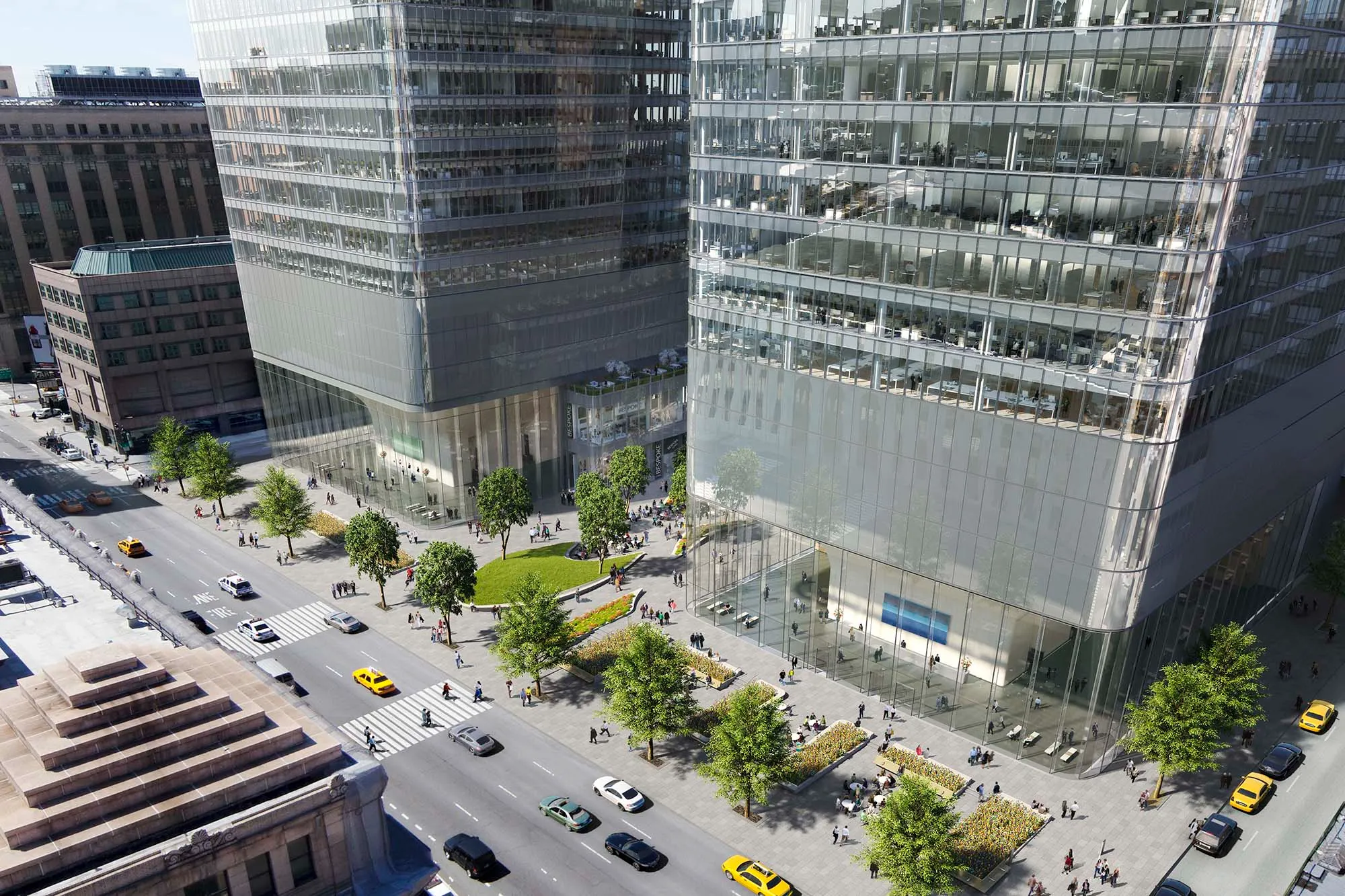
Manhattan commercial real estate signals early rebound
Manhattan’s commercial real estate market is showing early signs of a rebound as leasing activity increases, investment interest grows, and businesses begin to reestablish long-term space strategies. After several years of uncertainty, improving market confidence is encouraging companies to return to physical office environments in redesigned, flexible formats. This shift is helping stabilize demand and restore momentum across key commercial districts including Midtown, Hudson Yards, and Lower Manhattan.
The rebound is also supported by a broader recovery in business operations. Many firms are expanding hybrid work models that balance remote flexibility with collaborative office work, which strengthens the need for well-located and highly functional commercial spaces. Manhattan’s strong infrastructure, dense business ecosystem, and access to global talent continue to make it a prime destination for corporate tenants. As activity rises, the commercial market appears positioned for gradual yet steady improvement.
Leasing demand increases in prime business districts
The most important factor influencing Manhattan’s commercial rebound is the resurgence of leasing demand. Companies across finance, technology, consulting, and media sectors are securing office leases to support expanding teams and collaborative workspaces. Many firms are opting for modern buildings that offer upgraded amenities, energy-efficient design, and flexible floor plans suited for hybrid work.
Landlords are responding by offering competitive terms, tenant improvement packages, and adaptable layouts that meet evolving corporate needs. This combination of favorable leasing conditions and strong location advantages is boosting activity across Manhattan’s busiest commercial corridors. As more companies finalize long-term workspace decisions, steady leasing momentum is expected to continue.
Rising investor interest in stabilized assets
Investors are gradually reentering Manhattan’s commercial market as confidence improves. Institutional buyers are focusing on stabilized Class A properties with strong tenant commitments and high-quality building features. These assets are viewed as reliable long-term investments, especially as global capital flows move toward resilient urban markets.
Foreign investors are also showing renewed interest in Manhattan real estate. The city’s global reputation, strong liquidity, and proven historical performance make it an attractive destination for cross-border capital. As economic visibility improves, more investors are positioning themselves early to benefit from a multi-year market recovery.
Hybrid work reshapes office demand patterns
Hybrid work models continue to influence how companies approach commercial real estate in Manhattan. Rather than reducing demand entirely, these models are redefining space requirements. Many businesses are seeking offices with collaborative zones, meeting spaces, and open layouts that support interaction and innovation. Companies are prioritizing buildings with modern technology, natural lighting, and wellness-oriented design elements.
This shift toward quality over quantity is creating stronger demand for premium office properties. Buildings with certifications, advanced ventilation systems, and flexible configurations are outperforming older spaces. As employers refine their hybrid strategies, demand for well-designed environments is expected to remain strong.
Retail and mixed-use developments support market recovery
Manhattan’s commercial rebound is also supported by increased activity in retail and mixed-use developments. New dining, entertainment, and shopping options are revitalizing local neighborhoods and attracting more foot traffic. These improvements create a stronger ecosystem for office tenants and help reinforce the area’s appeal as a business destination.
Mixed-use projects that combine office space with residential units, hotels, and retail offerings are playing an important role in energizing commercial districts. These developments provide convenience for workers and enhance the overall experience of being in Manhattan.
Conclusion
Manhattan’s commercial real estate market is showing early signs of recovery as leasing activity grows, investor interest strengthens, and hybrid work strategies reshape demand. With high-quality buildings gaining momentum and mixed-use developments revitalizing key districts, the market is poised for steady improvement. As business confidence continues to rise, Manhattan is reestablishing itself as a leading global hub for commercial activity.


Recent Comments