
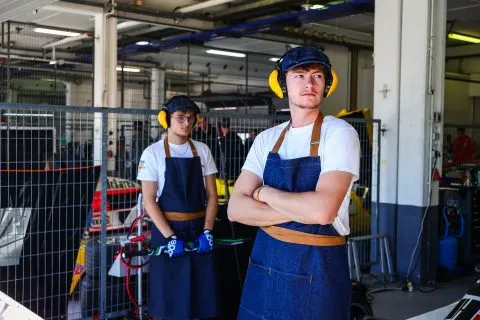
Gen Z is leading a blue-collar revolution as more Americans lose faith in college education
Gen Z is rewriting the script on what success looks like in America. A growing wave of young adults is choosing blue collar careers over four year degrees, signalling a major cultural shift in how the next generation thinks about work, stability and identity. The move is reshaping conversations around education and challenging long held assumptions about what it means to build a future.
Across social platforms, trades like plumbing, welding, electrical work and skilled manufacturing are getting unexpected spotlight moments. Creators post day in the life videos that show paychecks, hands on projects and relatable humor from job sites. These clips often rack up millions of views and spark comments from teens saying they want to “skip the debt and get to work.”
Surveys show that trust in the traditional college path is dropping among young Americans. Rising tuition costs, student loan concerns and unclear career returns have made many rethink whether a degree guarantees financial stability. Gen Z is asking harder questions about value, calling out the mismatch between what schools promise and what the job market delivers.
At the same time, blue collar fields are facing major worker shortages. Companies are raising wages, offering training programs and promoting clear pathways for advancement. The result is a new spotlight on skilled trades as fields that offer real opportunities without the financial pressure of student debt. Gen Z is responding to that message with enthusiasm.
What makes this shift even more cultural is how blue collar identity is being reframed online. Young workers post memes celebrating trade skills, poke fun at outdated stereotypes and showcase the pride they feel in building tangible things. The vibe is confident and community driven, reflecting a generation that values authenticity over prestige.
Parents and educators are beginning to take notice. Guidance counsellors report that more students are exploring vocational programs, apprenticeship routes and technical certifications. Schools are being pushed to align with the changing expectations of young people who want practical skills and faster entry into the workforce.
Experts say the movement is not anti education. It is pro options. Gen Z is rejecting the one size fits all mindset and choosing paths that match their financial goals and personal interests. Many see trades as a smart strategy for long term security and a lifestyle that offers independence and pride.
As the trend grows, economists expect significant impact across industries. The new wave of skilled workers could help solve labor shortages, boost regional economies and shift cultural narratives around work. Gen Z is proving that the future of success is more diverse than ever.
This blue collar surge is not a trend that fades quickly. It reflects a deeper generational shift toward financial realism, individual agency and a desire for meaningful hands on work. Gen Z is building something different, and the country is watching.



Recent Comments