
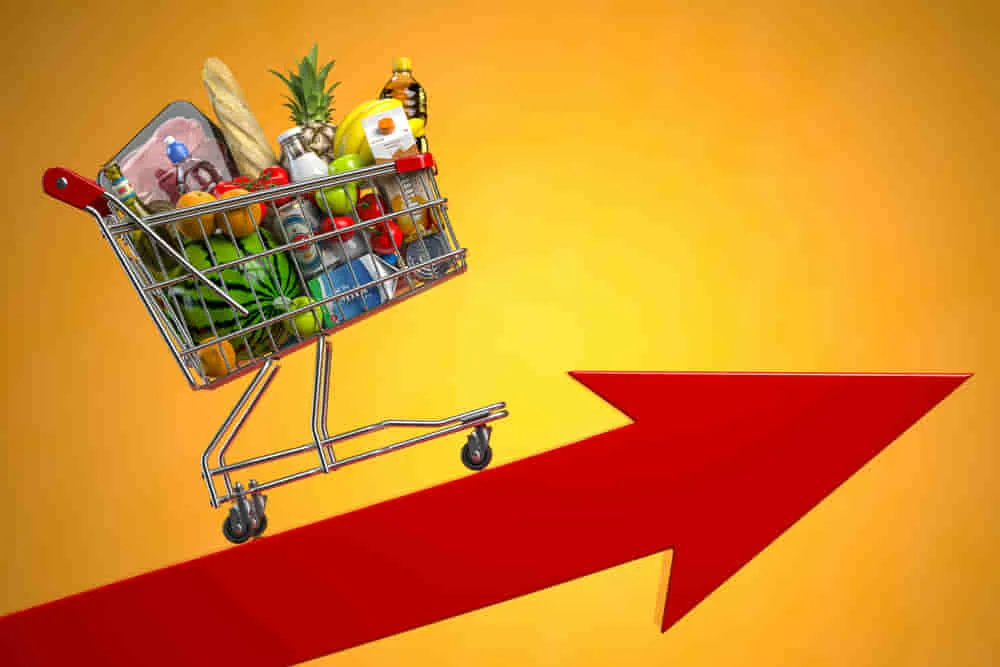
Gen Z Turns Inflation Jokes Into the Week’s Funniest Finance Memes
Inflation might be a serious economic topic for older generations, but Gen Z has turned it into one of the funniest running joke trends across social media. Instead of stressing over rising prices, young traders and meme creators use humor to cope, connect and comment on the state of the economy. Their inflation memes dominate TikTok, Twitter and Instagram, and surprisingly, they even shape how people talk about markets.
This comedic approach reflects how Gen Z processes financial stress. They turn discomfort into creativity, transforming complex economic issues into relatable jokes. And because meme culture spreads so quickly, inflation jokes are now influencing trading conversations, sentiment and even token launches.
Why Inflation Memes Resonate With Gen Z
The biggest reason inflation memes resonate so strongly is relatability. Every young person has felt the impact of rising costs, whether at the grocery store, in rent or in daily expenses. Joking about it becomes a way to reclaim control over something frustrating. The memes act like a collective sigh, but with punchlines attached.
Gen Z also uses humor to simplify topics that older generations discuss in overly serious or technical terms. Instead of reading long economic reports, young users describe inflation through absurd images, exaggerated reactions or over the top skits. These memes make the topic accessible to anyone, regardless of financial knowledge.
Another reason for their popularity is the emotional bonding they create. When thousands of people share the same joke about a rising burrito price, it sparks a sense of unity. Inflation becomes less intimidating when everyone is laughing about it together.
How Inflation Memes Are Shaping Market Conversations
Inflation jokes do more than entertain. They influence how traders discuss markets. When memes mocking rising costs dominate social feeds, it signals a shift in collective mood. Traders often react emotionally to inflation news, and memes capture those reactions faster than official announcements.
For example, when inflation data comes out hotter than expected, the timeline erupts with panic memes, meltdown videos and sarcastic commentary. This humor softens the emotional impact while also reflecting real concerns. Conversely, when inflation cools, celebratory memes spread instantly, shaping a wave of optimism.
These responses indirectly influence trading sentiment. If memes imply fear or uncertainty, many traders become cautious. If memes imply relief or excitement, speculative activity often increases. Meme psychology is quietly shaping investment behavior.
Inflation Memes Inspire New Tokens and Meme Coins
One of the funniest outcomes of this trend is the rise of inflation themed meme coins. Tokens like joke inflation mascots, parody central bank characters or coins mocking rising grocery prices pop up frequently. These tokens do not take themselves seriously. They exist purely to amplify the humor.
Gen Z traders often support them because the tokens represent the cultural moment. They become small expressions of frustration and comedy wrapped into a financial instrument. Even if these tokens are temporary, they contribute to the fun and creativity that defines meme finance.
Creators also use inflation memes to market new projects. They produce skits, voiceovers and edits that blend token promotion with comedic commentary about rising prices. This strategy attracts attention quickly because the humor is current and highly relatable.
The Meme Economy Thrives During Economic Uncertainty
Inflation memes prove that comedy evolves with economic conditions. During tough times, humor becomes more inventive. The meme economy thrives on exaggeration, irony and dramatic reactions, and inflation provides endless material.
Gen Z’s ability to blend real issues with humor strengthens the online community. It reminds everyone that even when the economy feels unpredictable, creativity and laughter remain steady. This mindset helps traders stay grounded, reducing panic by replacing fear with memes.
The meme economy also supports emotional resilience. When the market dips or inflation rises unexpectedly, memes provide a form of stress relief. They help traders reset emotionally before making decisions. Humor becomes a soft stabilizer for market psychology.
Conclusion
Gen Z has turned inflation into one of the funniest and most expressive meme trends of the year. By using humor to cope with rising prices, they transform economic stress into cultural creativity. Inflation memes shape conversations, inspire token launches and influence market sentiment. As long as the economy keeps shifting, Gen Z will keep turning those shifts into the week’s most relatable finance jokes.


Recent Comments