

Feeling cute, might post a catastrophe later…idk…enjoy this meme
A viral meme caption reading “Feeling cute, might post a catastrophe later… idk… enjoy this meme” is gaining traction across social platforms, capturing a growing shift in how younger users engage with bad news, uncertainty, and stress online. The phrase blends casual internet humor with an understated reference to looming disruption. Its popularity highlights how irony has become a dominant language in digital culture.
The meme format reflects a broader trend where serious topics are framed through light, self aware humor. Rather than dramatic warnings or emotional reactions, users present potential chaos as an afterthought. This tone resonates strongly with Gen Z audiences who have grown up amid economic volatility, political tension, and constant information flow.
Social media analysts note that this style of communication allows users to acknowledge instability without amplifying fear. By joking about catastrophe, the meme lowers emotional stakes while still signaling awareness. It becomes a way to process anxiety collectively rather than privately.
The caption has been widely used alongside images ranging from harmless selfies to abstract visuals. The lack of specificity is part of its appeal. The “catastrophe” is undefined, allowing viewers to project their own interpretations, whether related to markets, global events, or personal setbacks.
This meme style also mirrors how news consumption has changed. Many users now encounter headlines through feeds filled with humor, reactions, and commentary. Memes act as a filter, reshaping how information is emotionally received. In this environment, irony often travels faster than seriousness.
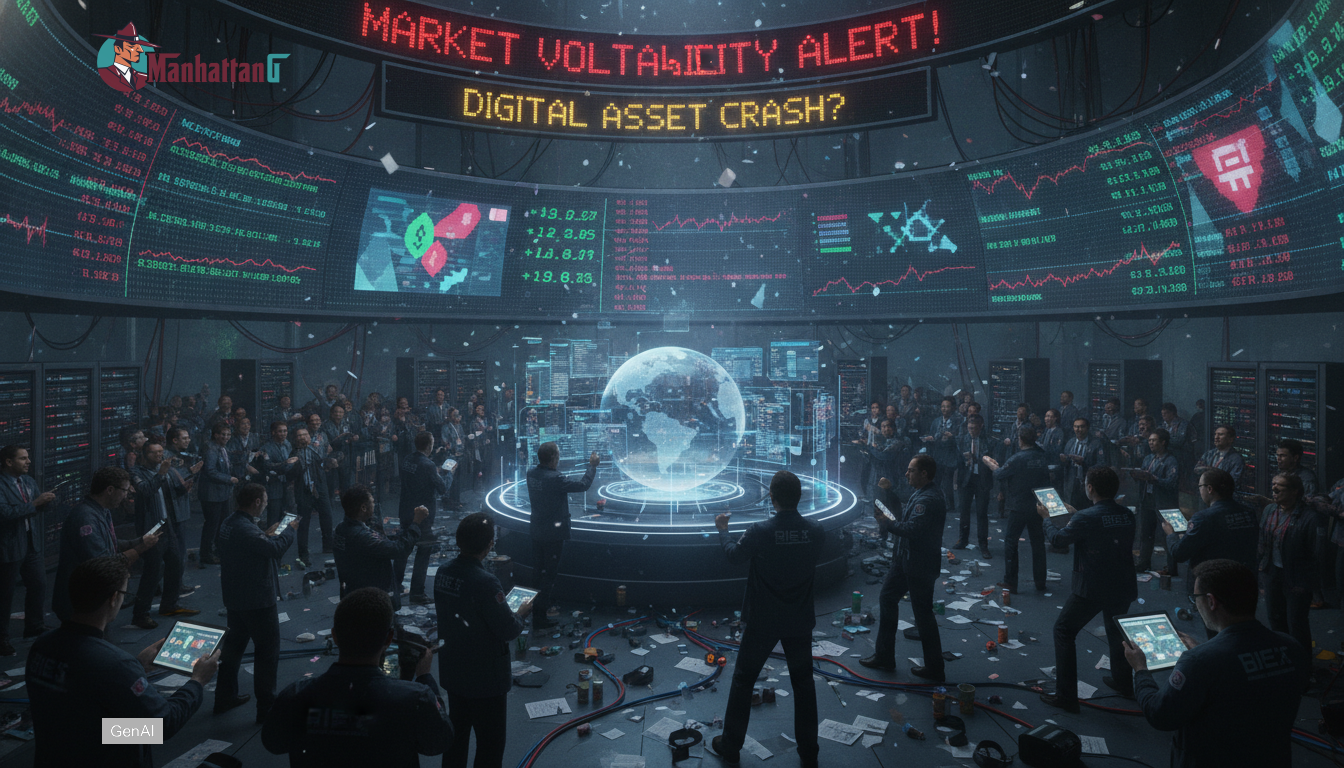
In finance and tech communities, similar language is increasingly common. Market drops, platform outages, and regulatory shocks are often introduced with jokes before facts. This does not signal apathy, but adaptation. Humor becomes a coping mechanism in fast moving digital spaces.
Cultural commentators argue that this tone reflects emotional fatigue rather than detachment. When crises feel constant, dramatic reactions lose impact. Irony offers distance while maintaining engagement. It allows users to stay informed without becoming overwhelmed.
Brands and creators have taken notice. Marketing strategies now frequently adopt self aware humor to align with audience expectations. However, misusing this tone can backfire if perceived as trivializing serious issues. Authenticity remains critical.
Critics warn that excessive irony can blur the line between awareness and indifference. Important topics may lose urgency when consistently framed as jokes. Supporters counter that memes often serve as entry points, sparking curiosity rather than replacing substance.
The phrase “might post a catastrophe later” encapsulates a generational mindset shaped by uncertainty. It suggests preparedness without panic and awareness without despair. The humor lies in accepting that disruption is normal, not exceptional.
As digital culture continues to evolve, meme language is becoming a real time barometer of public mood. Short captions now carry emotional signals once expressed through long commentary. In this case, a few casual words reflect how a generation navigates instability with irony, creativity, and shared understanding.
What began as a joke has become a snapshot of modern online expression. In a world of constant updates and unpredictable headlines, humor remains one of the most effective tools for connection.
Recent Comments