
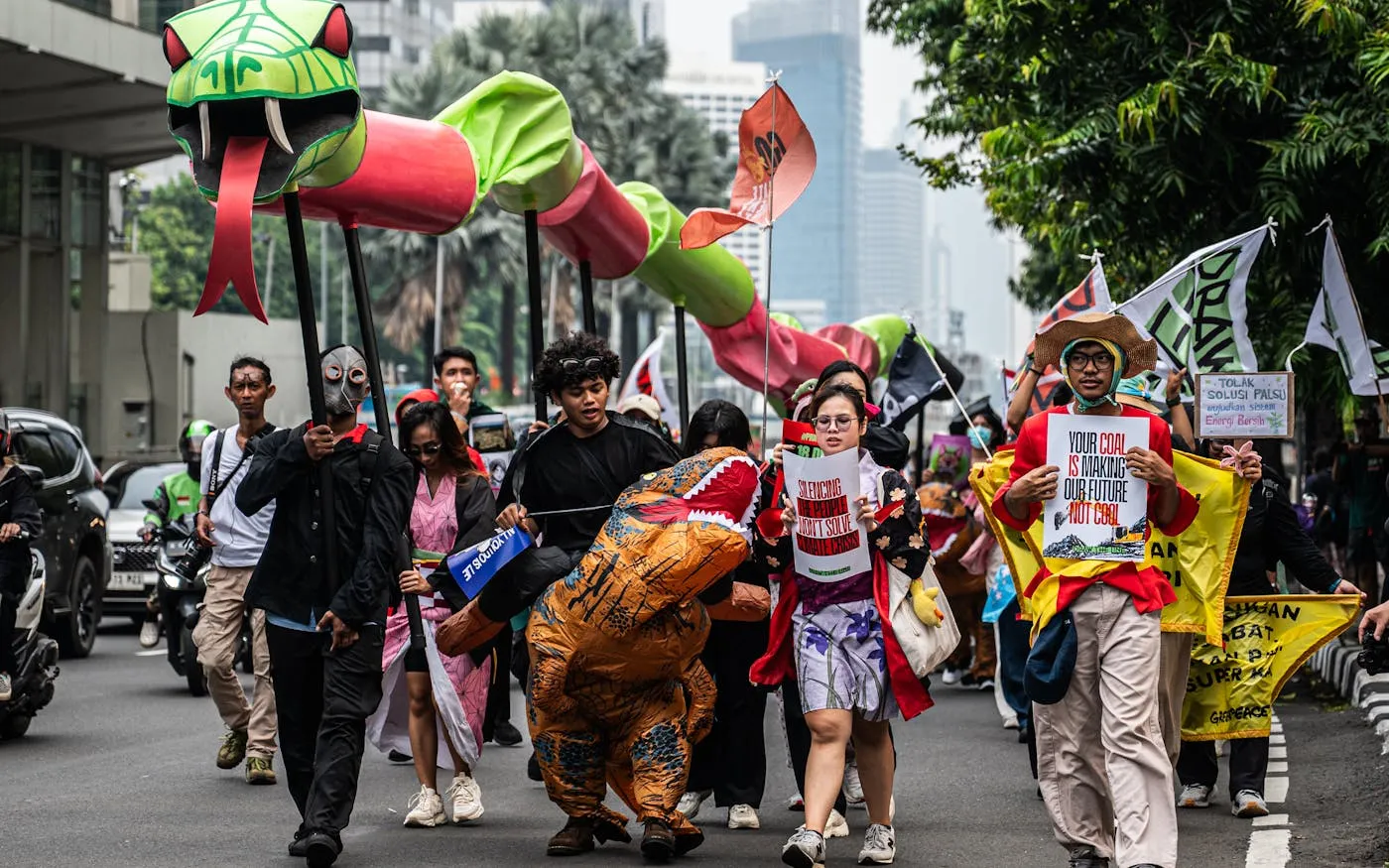
A year of Gen Z protests: Can they bring real change in 2026?
Over the past year, Gen Z has emerged as one of the most visible forces behind global protest movements. From economic justice and climate action to geopolitical conflicts and social rights, young people have taken to streets and social platforms in large numbers. Their activism has shaped headlines and sparked debate about whether sustained change is possible.
In 2025, Gen Z protests were frequent, decentralized, and digitally driven. Many movements spread rapidly through short-form video, memes, and online calls to action. This allowed causes to gain momentum quickly, even without traditional leadership structures.
Economic pressure played a major role. Rising living costs, student debt, and limited job security have fueled frustration among younger generations. Protests around housing affordability and wage inequality became common in major cities.
Climate activism also remained central. Gen Z demonstrators continued to push governments and corporations for stronger environmental commitments. While some policy discussions advanced, many activists expressed disappointment at the pace of change.
Social and political protests were equally prominent. Issues around global conflicts, human rights, and freedom of expression drew strong Gen Z participation. Universities and public spaces became focal points for demonstrations and debates.
Despite their visibility, questions remain about impact. Critics argue that many protests lacked clear policy goals or long-term strategy. Without sustained organization, some movements struggled to convert attention into concrete outcomes.
Supporters counter that Gen Z activism operates differently. Rather than relying on traditional institutions, it focuses on cultural pressure and public awareness. Changing narratives, they argue, is a necessary first step toward reform.
Digital tools have amplified Gen Z’s reach. Livestreams, viral clips, and hashtag campaigns turned local protests into global conversations. This constant visibility has kept issues alive beyond single events.
However, online momentum can be fragile. Attention often shifts quickly, making it difficult to sustain pressure over time. Activists face the challenge of balancing viral engagement with long-term organizing.
As 2026 approaches, Gen Z protest movements face a turning point. Many participants are asking whether continued demonstrations can lead to measurable results. The focus is increasingly shifting toward political engagement, voting, and policy advocacy.
Some groups are already adapting. Instead of large protests alone, they are building networks, fundraising, and supporting candidates aligned with their values. This marks a shift from symbolic action to institutional influence.
There is also growing debate within Gen Z about protest fatigue. Constant crises and demonstrations can lead to burnout. Maintaining energy while avoiding disengagement will be critical in the year ahead.
Governments and institutions are paying closer attention. While not all demands have been met, Gen Z activism has influenced public discourse and forced responses from leaders. Even when change is slow, pressure has become harder to ignore.
Economic conditions in 2026 may further shape outcomes. If financial stress continues, protests around jobs, debt, and inequality could intensify. This could push policymakers toward more tangible reforms.
At the same time, backlash remains a risk. Some authorities have responded to protests with restrictions and enforcement. How Gen Z navigates resistance will affect the longevity of their movements.
Ultimately, the question is not whether Gen Z can protest, but whether it can translate energy into structure. Awareness alone is no longer enough. Organization, compromise, and persistence will matter more than viral moments.
A year of Gen Z protests has already left its mark on global culture. Whether 2026 becomes the year of real change depends on how these movements evolve. The next phase may determine if Gen Z becomes a lasting political force or remains a symbol of unrest.



Recent Comments