
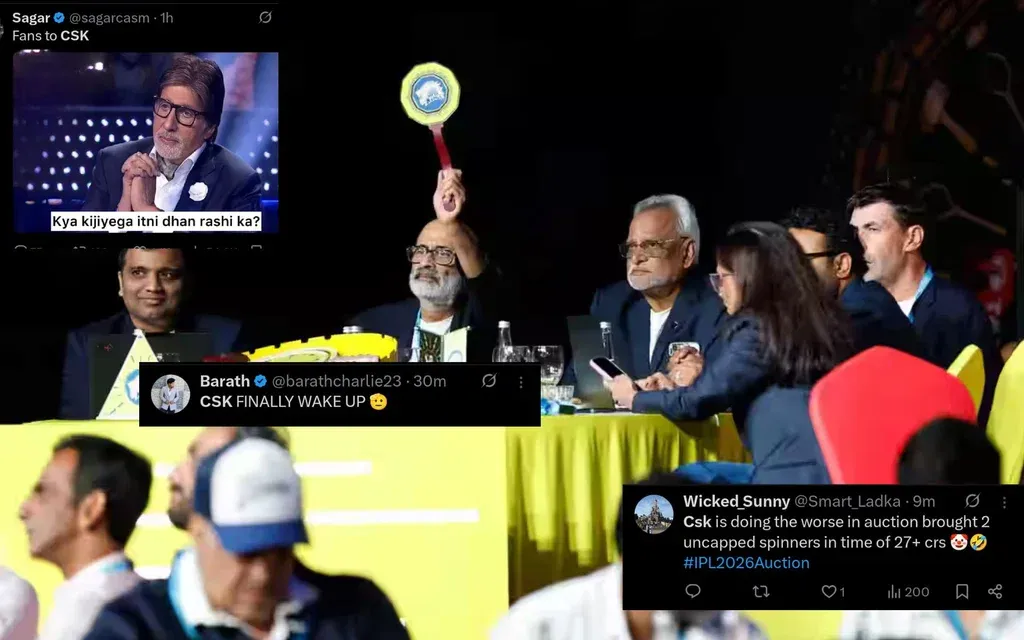
Plans sparks memes and heated reaction on internet
A newly announced set of plans has ignited a wave of memes and sharp debate across social media platforms. Within hours, timelines filled with jokes, edited images, and sarcastic takes as users reacted in real time. What began as a policy or strategy discussion quickly turned into a full-scale internet moment.
Memes became the dominant language of response. Users distilled complex ideas into punchy visuals and one-liners, making the topic accessible and highly shareable. For Gen Z especially, humor served as both commentary and critique.
Alongside jokes, criticism spread just as fast. Many users questioned the logic, timing, or potential consequences of the plans. Threads dissecting details gained traction, with creators offering breakdowns, reactions, and counterarguments.
The speed of the response highlights how online culture now shapes public perception. Instead of waiting for official analysis, users formed opinions through memes and short-form content. This created parallel narratives that often overshadowed formal explanations.
Supporters of the plans also joined the conversation. Some pushed back against viral criticism, arguing that memes oversimplified serious issues. This back-and-forth fueled further engagement and kept the topic trending.
Influencers and content creators amplified the reaction. Reaction videos, live streams, and stitched posts helped the debate reach wider audiences. The line between entertainment and analysis blurred as views and shares climbed.
The episode reflects a broader shift in how public announcements are received. Internet users no longer respond passively. They remix, reinterpret, and challenge ideas almost instantly.
For institutions and planners, this presents a challenge. Messaging can lose control once it enters meme culture. Even neutral or technical proposals can be reframed as controversial within minutes.
At the same time, memes act as a form of civic engagement. They signal interest, skepticism, and emotional response. While not always precise, they show what resonates or alarms the public.
Heated reactions also exposed generational divides. Younger users focused on tone, impact, and cultural meaning. Older commentators tended to emphasize intent and structure.
The plans themselves may evolve, but the online reaction has already shaped the narrative. Public perception is now influenced as much by viral humor as by official statements.
This moment underscores the power of internet culture in shaping debate. Memes are no longer side commentary. They are part of how society processes decisions.
As attention shifts, the long-term impact will depend on whether dialogue moves beyond jokes. Memes can open conversations, but meaningful outcomes require sustained discussion.
For now, the internet has spoken loudly. Plans sparked memes, memes sparked debate, and the reaction revealed how quickly digital culture can redefine serious topics.

Recent Comments