
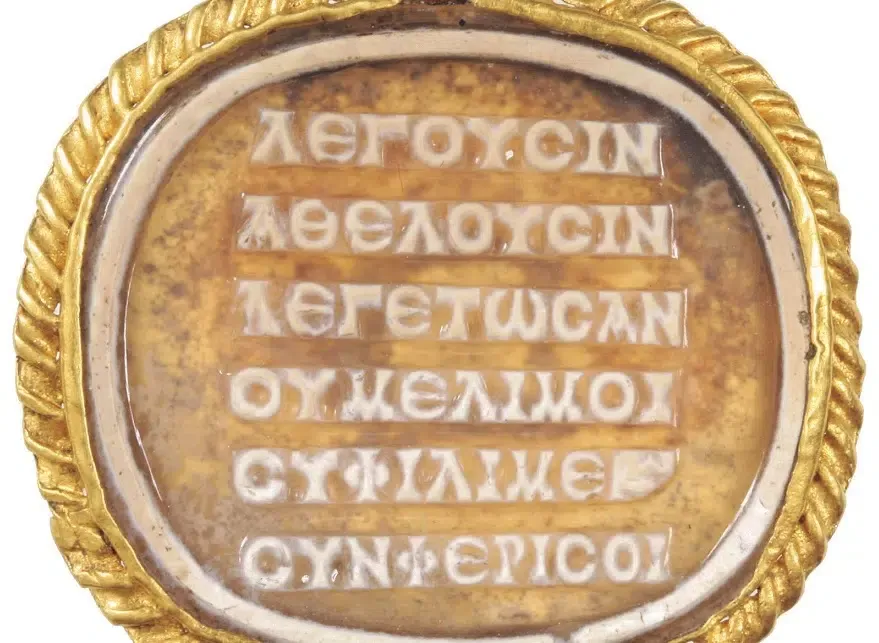
Ancient Greece Had a Thriving Pop Culture
Ancient Greece is often remembered for philosophy, democracy and legendary myths, but new discussions in history and pop culture circles are highlighting something far more relatable. The ancient world had its own vibrant version of pop culture. From celebrity athletes to viral theatre jokes, Greek society was packed with trends that spread fast across cities long before social media existed.
Historians say pop culture in Ancient Greece thrived through festivals, public performances and everyday gossip. People flocked to massive amphitheaters to watch comedic plays that poked fun at politics and local scandals. These performances acted like the ancient world’s version of satire and fan culture rolled into one.
Athletes were major celebrities. Champions from the Olympic Games were admired across regions, celebrated by poets and praised in public monuments. Fans followed their victories and personal rivalries much like sports communities track star players today. Fame in Ancient Greece could travel far thanks to traveling storytellers and citywide celebrations.
Music also played a central role in Greek pop culture. Street performers, traveling musicians and competitive singing events brought entertainment into daily life. Popular songs spread from city to city as sailors, traders and travelers carried melodies across the Mediterranean. Some tunes even became widely known festival hits.
Drama was another powerful cultural engine. Playwrights like Aristophanes created comedic storylines filled with jokes that audiences repeated long after performances ended. These plays commented on fashion trends, political gossip and social habits, giving historians insight into how humor shaped everyday Greek life.
Art and fashion trends moved quickly too. Decorative pottery featuring heroes, animals and mythical scenes acted like collectible merch items. People displayed them in homes, gifted them to friends and used them during public gatherings. The designs often reflected the same cultural obsessions that filled Greek stories and songs.
One of the most surprising elements of Greek pop culture was its intense focus on public storytelling. Myths and heroic adventures were retold constantly, inspiring new versions that spread like early fan fiction. Communities shaped characters in ways that reflected their own values, proving that remix culture has existed for thousands of years.
Historians note that ancient pop culture was powered by community spaces. Markets, festivals and public squares served as hubs where people traded jokes, shared opinions and debated trending stories. These gatherings functioned much like today’s online comment sections but with louder crowds and no screens.
The deeper researchers look, the clearer it becomes that Ancient Greece lived through its own cycle of trends, fandom and cultural hype. Their world did not have digital platforms, but it had energy, creativity and constant social buzz. It turns out that pop culture is not a modern invention. It is a timeless part of how people connect, express themselves and build community.


Recent Comments