
How HBCU culture sets the trends brands chase on social media
Historically Black Colleges and Universities are playing an increasingly influential role in shaping social media trends. From fashion and language to music and humor, HBCU culture is driving conversations that brands later try to replicate. What begins on campus often spreads organically across digital platforms before entering the mainstream.
HBCU students are natural culture builders. Campus life blends tradition, creativity, and community in ways that translate seamlessly to social media. Homecoming moments, step shows, band performances, and everyday student life regularly generate viral content without intentional marketing.
One key reason HBCU culture travels so well online is authenticity. Content created by students is rooted in real experiences rather than strategy. Audiences respond to this sincerity, engaging with posts that feel genuine rather than polished.
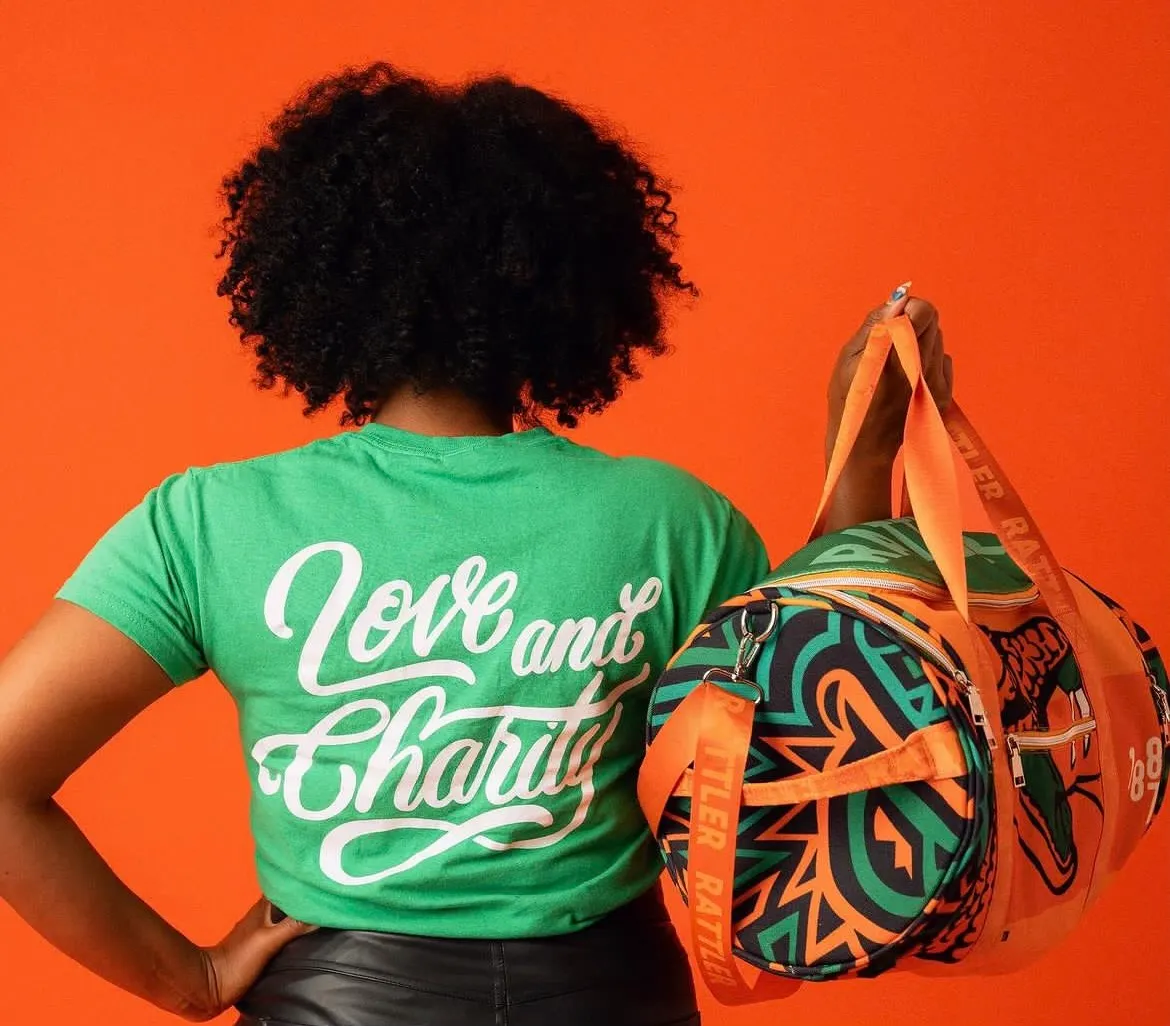
Fashion trends are a clear example. Outfit culture on HBCU campuses influences streetwear aesthetics seen on social platforms. Tailored looks, custom jackets, and school-branded fits often gain traction long before brands attempt to recreate similar styles.
Language and humor also originate strongly from HBCU spaces. Phrases, expressions, and comedic formats popularized by students frequently appear in viral videos. These linguistic trends later surface in brand captions and campaigns, sometimes with mixed results.
Music plays a major role in amplifying HBCU influence. Marching band performances, dance routines, and remixed sounds circulate widely on short-form video platforms. These moments shape audio trends that brands later adopt for their own content.
HBCU culture thrives on community participation. Trends are rarely driven by individuals alone. Instead, they spread through group performances, shared jokes, and collective experiences. This collaborative energy makes content more engaging and repeatable.
Brands closely monitor these organic trends as indicators of cultural momentum. Marketing teams often study HBCU-driven content to understand what resonates with younger audiences. However, replication without context can feel inauthentic.
The challenge for brands lies in respecting the source. When trends are lifted without acknowledgment or understanding, audiences quickly notice. Social media users are increasingly vocal about cultural appropriation versus appreciation.
Some brands have begun shifting strategies in response. Instead of copying trends, they partner directly with HBCU creators and institutions. These collaborations allow brands to participate without diluting cultural meaning.
HBCU students also use social media to highlight pride and legacy. Content often celebrates history, excellence, and shared identity. This deeper narrative gives trends staying power beyond surface-level aesthetics.
Gen Z audiences, in particular, value cultural credibility. They are more likely to engage with brands that demonstrate awareness and respect. HBCU-originated trends carry weight because they emerge from lived experience.
The influence of HBCU culture extends beyond entertainment. It shapes conversations around representation, success, and community. These themes resonate widely in digital spaces that value voice and visibility.
As social media continues to evolve, trend creation is becoming more decentralized. HBCU campuses remain powerful engines of cultural innovation. Their impact shows that the most influential trends rarely start in boardrooms.
For brands, the lesson is clear. The culture they chase is already alive and thriving within HBCU communities. Understanding that influence requires listening before acting. Those who engage thoughtfully stand to build lasting relevance rather than fleeting attention.

Recent Comments