How Modern Influencers Are Driving Meme-Economy Growth
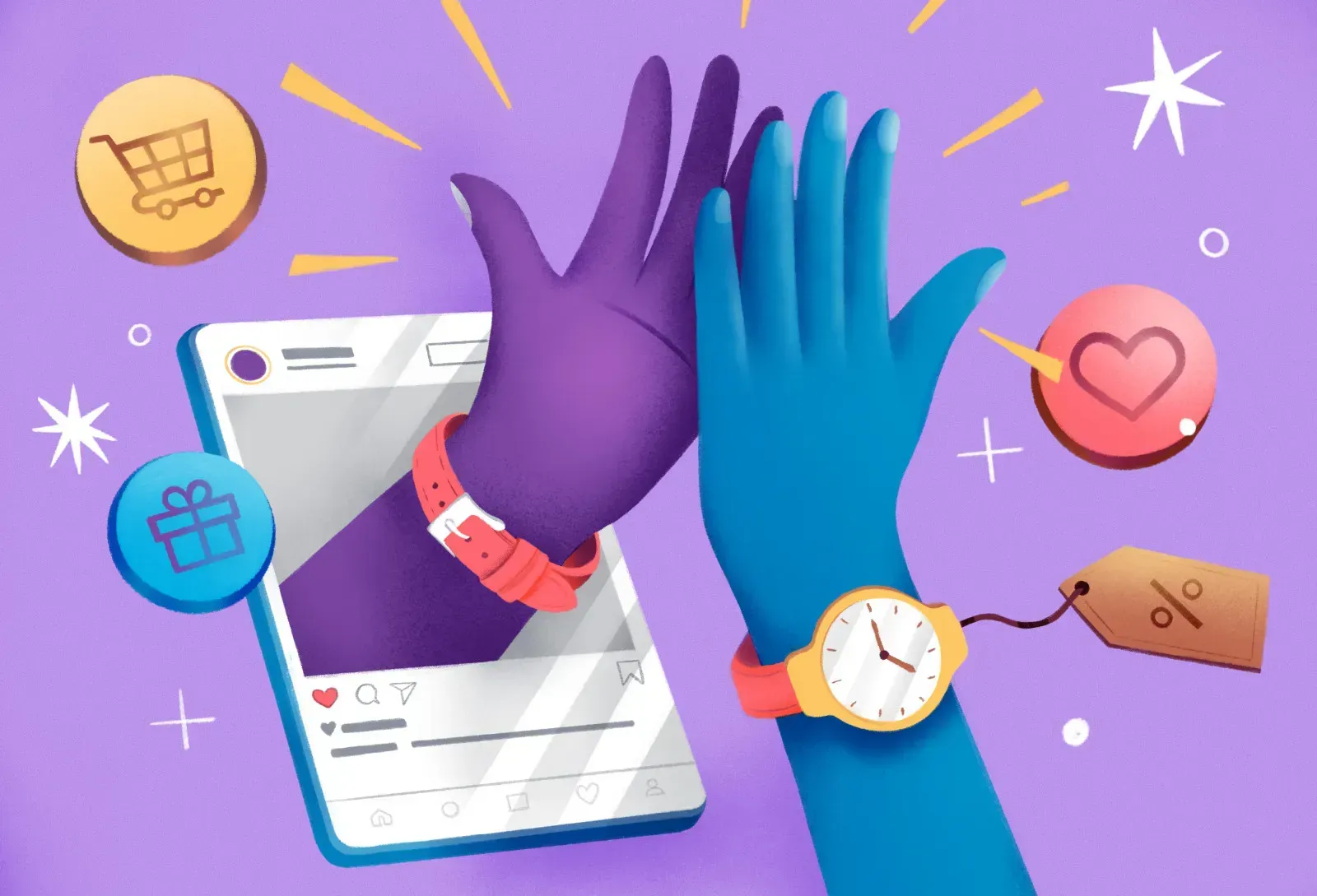
In 2025, influencers have evolved far beyond sponsored posts and discount codes. They have become the unofficial market makers of the meme economy, capable of shifting sentiment, sparking trends and fueling waves of digital enthusiasm with a single chaotic video. When they speak, the internet listens. When they joke, the internet reacts. And when they accidentally mention a trending asset, entire communities mobilize like they just received a secret signal from headquarters.
This new dynamic is reshaping how people think about influence and value creation online. The meme economy thrives on humor, timing and cultural relevance, and influencers sit at the center of all three. Their ability to turn randomness into viral momentum has transformed them into key players in the digital ecosystem, blurring the lines between entertainment, marketing and market movement.
Influencers Turn Culture Into Capital at Record Speed
The most important shift driving meme-economy growth is the influencer’s ability to convert cultural moments into economic momentum almost instantly. A joke, a skit or even a frustrated rant can spark a surge of interest that ripples across timelines. Where traditional markets rely on reports and forecasts, the meme economy relies on whoever posts the funniest reaction first.
Influencers excel at reading the digital room. They know when to amplify a trend, when to pivot and when to abandon a sinking meme before it drags their engagement stats down with it. Their timing is unmatched, and their audience trust transforms their content into soft signals that guide how people respond to digital trends. In many ways, influencers have become the emotional pulse of the meme economy.
Community Algorithms Reward Chaos and Creativity
Platforms in 2025 amplify content based on engagement spikes, and influencers know exactly how to trigger them. They create content that the algorithm cannot resist, combining humor, relatability and just enough chaos to keep viewers watching until the end. These engagement loops push their posts into the spotlight, giving their memes momentum that spreads across communities instantly.
Communities respond with remixes, memes, duets and commentary that amplify the original message. This feedback loop fuels the meme economy, turning small jokes into massive cultural waves. Influencers act as the spark, while communities act as the fuel, and together they create viral energy that often translates into real shifts in digital attention.
Influencers Dictate What Feels “Relevant” Online
Relevance is the most valuable currency on the internet, and influencers control it in a way no algorithm ever fully can. A trend may be technically viral, but it does not feel relevant until an influencer validates it with humor or commentary. Their stamp of approval can make a niche meme mainstream or turn an obscure idea into a movement.
Gen Z viewers especially rely on influencers as cultural translators. They take confusing digital phenomena and turn them into stories people understand. They make complicated concepts feel familiar. They give the meme economy clarity and direction simply by offering their perspective. Their influence extends beyond entertainment into shaping how people perceive digital value.
Humor Becomes a New Form of Social Proof
In the meme economy, humor is not just entertainment. It is validation. When influencers make fun of something, it signals to the internet whether the trend is worth joining or avoiding. Their jokes add social proof and direction to online behavior. The funnier the take, the stronger the signal becomes.
This humor driven decision making may seem chaotic, but it is deeply logical within the digital environment. Humor spreads faster than analysis. It is more accessible than financial insights. And it aligns perfectly with the way Gen Z and younger users experience digital culture. Influencers who master this style of communication naturally become leaders of the meme economy.
Conclusion
Modern influencers are driving meme-economy growth by transforming cultural moments into viral momentum, shaping relevance and using humor as a form of social proof. Their ability to influence attention at scale makes them central players in the digital ecosystem. As long as humor and chaos remain the internet’s universal language, influencers will continue guiding the direction of the meme economy.
Recent Comments