
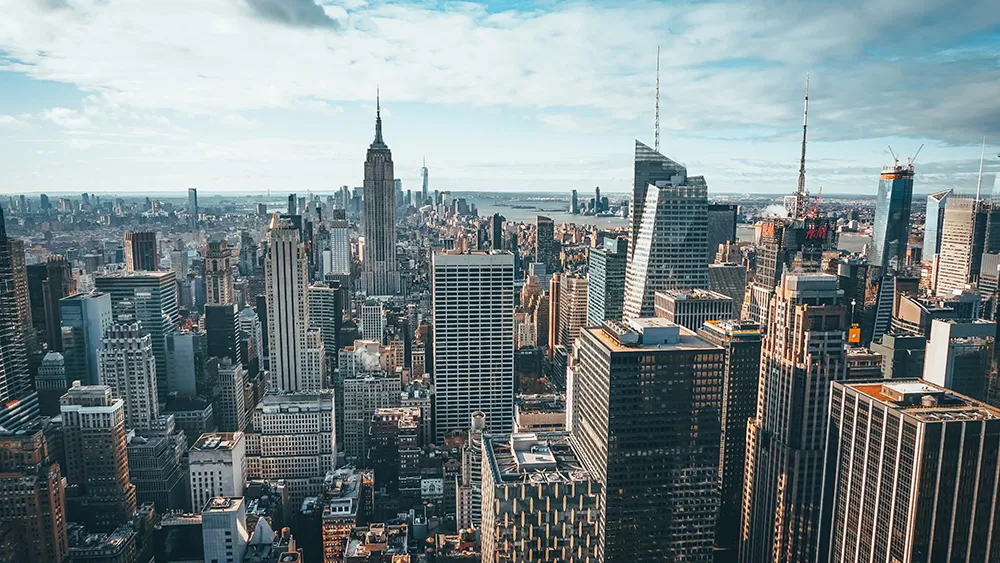
Manhattan commercial spaces attract renewed investor interest
Manhattan’s commercial real estate market is experiencing renewed investor attention as demand stabilizes and long-term development outlooks strengthen. Investors are revisiting the market with fresh strategies that prioritize flexible spaces, hybrid work adaptations, and premium locations. This renewed momentum signals a shift in confidence as businesses reassess their spatial needs and global organizations look for strong footholds in New York’s financial and cultural center.
A combination of rising tenant activity, improving occupancy rates, and broader economic adaptability is driving this resurgence. Manhattan’s commercial districts continue to offer unmatched access to transportation, global business networks, and high-value clients. As investor confidence improves, the market is entering a new cycle of development, repositioning, and strategic portfolio expansion.
Rising tenant activity strengthens market confidence
The most important factor behind renewed investor interest is the steady increase in tenant activity across Manhattan. Companies in finance, media, technology, and professional services are leasing more space as hybrid work models become better defined. Many firms are opting for upgraded offices that support collaboration, client engagement, and modern workforce expectations.
This trend has encouraged investors to expand their portfolios, particularly in areas with strong foot traffic and transportation connectivity. Improved occupancy levels also signal healthier long-term market stability, offering investors clearer projections for revenue performance and asset appreciation. As tenant needs evolve, demand for versatile and high-quality spaces continues to rise across key Manhattan corridors.
Global investors return with targeted acquisition strategies
International investors are regaining interest in Manhattan commercial properties due to favorable pricing conditions and long-term growth potential. Investment groups from Europe, Asia, and the Middle East are reentering the market with strategies that prioritize value-add projects and assets in prime districts. These investors see Manhattan as a stable, globally recognized location that offers resilience even during broader economic shifts.
Targeted acquisitions focus on properties that can be repositioned to meet the needs of modern tenants. This includes upgrades to building technology, sustainability features, and flexible floor configurations. The return of global investors reinforces Manhattan’s role as a leading destination for commercial real estate capital flows, strengthening market confidence and competition.
Redevelopment projects reshape business districts
Redevelopment has become a major theme as investors transform older buildings into modern commercial environments. These projects focus on improving energy efficiency, expanding shared spaces, and integrating digital infrastructure. Offices designed with wellness-focused features, upgraded ventilation systems, and outdoor amenities are becoming increasingly attractive to tenants.
Manhattan’s redevelopment momentum extends across neighborhoods such as Midtown, Hudson Yards, and the Financial District. Investors pursuing these projects aim to elevate building standards while ensuring long-term viability. As redevelopment expands, business districts become more dynamic and better aligned with the demands of today’s workforce and global market expectations.
Flexible leasing trends reshape commercial portfolios
Flexible leasing structures are reshaping how investors structure their commercial portfolios. Companies are seeking shorter lease terms, customizable layouts, and options that accommodate both remote and on-site operations. This shift has driven growth in flexible workspace providers and hybrid-ready office configurations across Manhattan.
Investors who adapt to these trends gain stronger tenant retention and increased market resilience. By offering spaces that meet flexible operational models, landlords attract a wider range of tenants and reduce vacancy risks. This approach supports healthier rental income patterns and aligns commercial properties with modern business strategies.
Conclusion
Manhattan’s commercial spaces are attracting renewed investor interest as tenant activity grows, global buyers return, redevelopment accelerates, and flexible leasing trends reshape portfolios. These combined dynamics strengthen confidence in the long-term performance of Manhattan’s commercial real estate market.



Recent Comments