
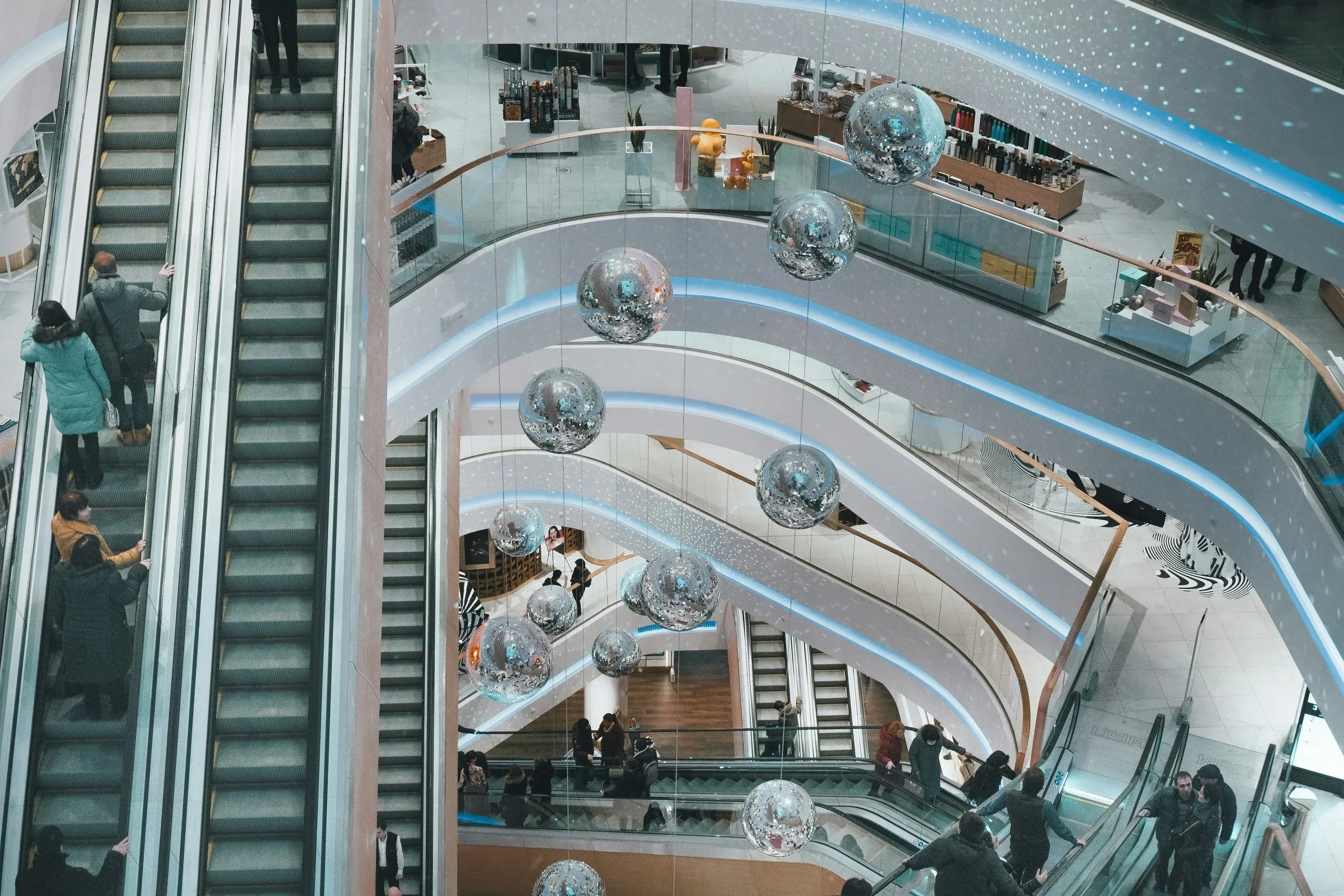
Manhattan retail markets adapt to shifting consumer behavior
Manhattan’s retail markets are undergoing significant transformation as businesses adjust to new consumer expectations, digital trends, and evolving economic conditions. Retailers across the borough are rethinking their strategies to stay competitive in an environment where shoppers prioritize convenience, experience, and personalization. This shift is reshaping storefronts, influencing brand strategies, and revitalizing neighborhoods with new retail formats that reflect today’s buying habits.
The changing landscape is also driven by the rebound in tourism and increasing foot traffic in commercial districts. As more visitors return and local shoppers reintegrate in-person retail into their routines, brands are leveraging this momentum to introduce innovative store concepts. Manhattan’s retail sector is moving toward a hybrid model where digital and physical experiences blend seamlessly to meet modern expectations.
Consumer demand for experiential retail shapes new strategies
The most important factor driving Manhattan’s retail transformation is the growing demand for experiential retail. Shoppers are no longer looking solely for products; they want interactive environments where they can explore, test, and engage with brands. Retailers are responding by opening concept stores that offer unique experiences such as product demos, creative workshops, and immersive displays.
This shift has encouraged brands to use physical spaces as storytelling platforms. Stores are being redesigned to highlight brand identity, showcase new collections, and offer tailored services. These experiences not only draw in customers but also encourage social media engagement, helping retailers reach wider audiences. As experiential retail expands, Manhattan becomes a destination for discovering new and innovative shopping environments.
Digital integration enhances shopper convenience
Retailers are increasingly integrating digital tools to make shopping more convenient and personalized. Mobile checkout, inventory visibility apps, and AI-powered recommendations are becoming standard features for many Manhattan stores. These tools help customers locate products quickly, compare options, and complete purchases with minimal friction.
Click-and-collect services are also growing in popularity. Shoppers can browse online, reserve items, and pick them up in-store without waiting in long lines. This hybrid approach appeals to busy consumers who want the efficiency of online shopping combined with the immediacy of in-person pickup. Digital integration is helping retailers stay adaptable in a competitive landscape.
Neighborhood shopping corridors see renewed momentum
Several Manhattan neighborhoods are experiencing renewed activity as retailers open new stores to meet local demand. Areas such as the Upper West Side, SoHo, and the Flatiron District are seeing increased leasing from both established brands and emerging businesses. These corridors benefit from high residential density, local tourism, and strong community engagement.
Independent retailers are also contributing to the revitalization of these areas. Boutique shops, specialty stores, and artisanal markets provide unique offerings that attract shoppers looking for distinctive products. Their presence adds character to neighborhoods and supports a diverse retail ecosystem that complements larger brands.
Retailers shift toward sustainable and ethical practices
Sustainability has become a major influence on consumer behavior, and Manhattan retailers are responding by adopting more ethical and environmentally responsible practices. Many brands now highlight eco-friendly materials, transparent supply chains, and recycling programs within their stores. This shift reflects growing consumer interest in supporting businesses that prioritize social and environmental responsibility.
Stores are also incorporating sustainable design elements such as energy-efficient lighting, repurposed fixtures, and low-impact packaging. These initiatives not only appeal to eco-conscious shoppers but also help retailers manage long-term operational costs. Sustainability is quickly becoming a core component of Manhattan’s modern retail identity.
Conclusion
Manhattan’s retail markets are adapting to shifting consumer behavior through experiential design, digital integration, neighborhood revitalization, and sustainable practices. These changes reflect a broader evolution in how shoppers interact with brands and how retailers position themselves in a competitive environment. As consumer expectations continue to evolve, Manhattan’s retail landscape is poised to remain dynamic, innovative, and customer-focused.


Recent Comments