
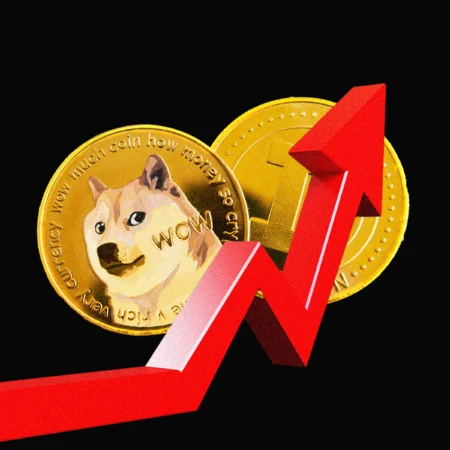
Meme Coins Lead Retail Market Activity
The rise of meme coins has become one of the most fascinating trends in the crypto space. What began as a playful experiment has evolved into a global movement that’s redefining how retail investors engage with digital assets. For Gen Z traders especially, meme coins represent a unique blend of humor, community, and speculation that mirrors the internet’s fast-paced culture.
Retail Investors Take the Wheel
Retail traders are now the driving force behind meme coin volumes. These tokens attract massive participation because they combine affordability, social engagement, and viral narratives. Many traders enter the market not just to profit but to be part of a cultural moment. The accessibility of meme coins allows anyone to join the action, creating a sense of inclusion and shared excitement rarely seen in traditional finance.
Meme coins like Dogecoin, Shiba Inu, and newer entrants have become symbols of digital rebellion. They allow small investors to compete, or at least participate, in a space once dominated by institutions. The result is a market powered by sentiment and community rather than balance sheets and fundamentals.
The Social Engine Behind the Surge
Social media is the backbone of the meme coin ecosystem. Platforms such as X and Reddit act as launchpads where viral memes quickly transform into market movements. A single influencer post or community rally can cause trading volumes to spike overnight. This fusion of social momentum and digital finance has made meme coins a cultural asset class of their own.
For many Gen Z investors, trading meme coins feels less like traditional investing and more like joining an online movement. It’s fast, fluid, and often unpredictable. The meme economy rewards timing, creativity, and digital presence skills that resonate with a generation raised on the internet.
Cultural Speculation and the New Economy
The meme coin boom reflects a deeper cultural shift toward what could be called “entertainment finance.” These tokens are not backed by corporate earnings or intrinsic value, yet they thrive because they capture attention. The idea of value itself has expanded beyond tangible fundamentals to include relevance, community sentiment, and storytelling.
This cultural speculation challenges old financial models. It shows that in the digital era, collective belief can be as powerful as traditional valuation methods. Meme coins, in this sense, act as experiments in digital psychology and mass coordination.
The Infrastructure Race
As meme coins gain traction, infrastructure is catching up. Blockchain ecosystems now compete to become the preferred launchpads for new tokens. Platforms that allow users to create or trade meme coins instantly are seeing record activity. This infrastructure race is shaping the future of crypto participation, lowering barriers to entry and amplifying market liquidity.
The ripple effect extends beyond tokens. Wallet providers, decentralized exchanges, and analytics platforms are adapting to handle the surge in meme-coin-related traffic. Even traditional crypto firms are studying the retail patterns driving this space to understand how to attract younger investors.
Opportunities and Risks
While meme coins symbolize freedom and innovation, they also carry significant risks. Their prices are driven largely by hype, and sudden drops are common. Liquidity concentration, lack of governance, and pump-and-dump dynamics remain persistent challenges. Retail traders often underestimate how quickly sentiment can turn.
However, the broader impact cannot be dismissed. Meme coins have introduced millions to blockchain technology, expanded financial literacy among young users, and injected creativity into a sector that often feels technical and exclusive. Their very volatility keeps markets dynamic and forces participants to adapt quickly.
What Lies Ahead
The next phase of the meme coin movement may involve greater integration with utility, gaming, and social platforms. Developers are experimenting with hybrid models that combine memes with functional ecosystems such as NFTs or decentralized apps. This could transition meme coins from being purely speculative to forming part of a new digital entertainment economy.
For retail traders and Gen Z investors, meme coins are more than just tokens they’re tools for expression, community building, and financial experimentation. Whether they remain a volatile sideshow or evolve into a lasting segment of the market will depend on how well they balance creativity with sustainability.
Conclusion
Meme coins have proven that market participation today is not only about profit but also about belonging, culture, and identity. Retail investors are leading this revolution with energy and optimism, reshaping how financial ecosystems grow and communicate. As the boundaries between finance, technology, and pop culture blur, meme coins stand at the intersection where humor meets capital, and community drives markets.

Recent Comments