Meme Economy More Stable Than Real Economy Survey Shows
In a twist that perfectly reflects the strange era of digital culture, a recent community survey revealed that traders believe the meme economy feels more stable than the real economy. The finding spread quickly, shocking no one who has spent time online watching people invest emotionally in jokes, trends, and chaotic market moments. For many digital natives, meme-based movements feel predictable compared to the confusing shifts in global markets.
The survey results became an instant topic of discussion. Some traders joked that at least memes follow clear patterns, rising when they’re funny and falling when they get old. Others argued that traditional markets behave just as randomly, except without the entertainment value. The survey unintentionally highlighted how modern internet culture blends humor, sentiment, and community influence in ways that feel surprisingly structured.
Why the Meme Economy Feels More Predictable
Participants said the meme economy seems stable because its movements follow social patterns instead of complex economic variables. When a meme becomes popular, everyone can see the momentum building in real time. There’s no hidden data or corporate decision driving its rise. The community itself becomes the indicator, making the entire system feel transparent.
Another reason is emotional consistency. Memes tend to follow recognizable cycles: discovery, excitement, peak popularity, decline, and nostalgia. Traders said this pattern feels easier to understand than sudden market crashes caused by news that barely makes sense to casual investors. Even though meme trends are chaotic, their chaos feels familiar and accessible.
People also admitted that the meme economy is powered by creativity rather than fear. Unlike traditional markets, where negative headlines can spark panic, memes thrive on shared laughter. The community takes part willingly, creating a sense of unity that softens the blow when a trend fades. This emotional comfort adds to the sense of stability.
The Community Reaction to the Survey
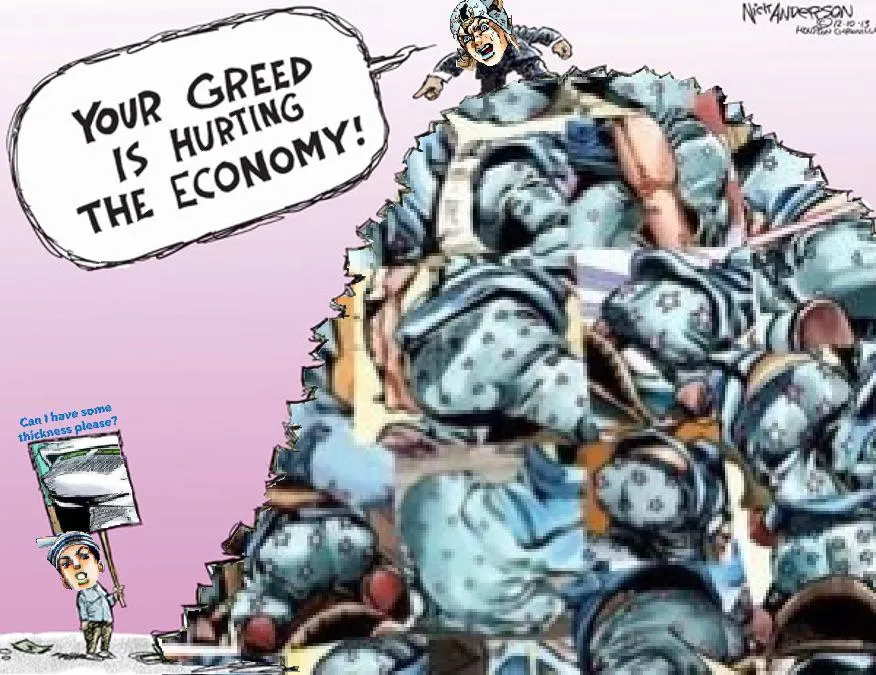
When the survey results went viral, the internet wasted no time turning them into jokes. Users posted charts comparing meme popularity to stock volatility, claiming that memes had smoother trend lines. Others mocked traditional analysts by pretending to use meme templates as official financial indicators.
Influencers jumped into the conversation by hosting debates about which meme formats serve as the most stable “assets.” Some argued that classic templates are blue-chip memes, while newer ones are more like volatile altcoins. The humor spread far beyond trading communities, attracting casual users who simply enjoyed the relatable comparison.
The reaction also included honest admissions. Many people said they trust meme trends more than financial commentary because they can see how the community interacts in real time. They feel more connected and less confused when participating in meme-driven cycles.
What the Meme Economy Reveals About Modern Culture
The idea that the meme economy feels stable says more about society than finance. Young traders grew up online, where trends move fast and social rules evolve in real time. They’re used to following collective signals, reacting to viral moments, and learning through humor. Compared to this environment, traditional markets can feel slow, opaque, and overly serious.
The meme economy also reflects a shift in how people view influence. Communities now hold more power than institutions. A single funny image can move faster across the internet than any press release. People trust peer reactions more than corporate statements, giving meme-driven environments a sense of authenticity—even when the trends themselves are absurd.
This cultural shift affects how traders approach risk, community interaction, and emotional regulation. Many feel more secure participating in a playful, transparent environment than one dominated by jargon, uncertainty, and pressure.
Why People Relate to the Idea So Deeply
At its core, the survey resonates because it captures how people experience modern markets emotionally. Traditional markets often feel disconnected from everyday experiences. When prices swing wildly based on decisions from distant institutions, people feel powerless. Meme trends, on the other hand, invite participation. They give individuals a voice in the movement, even if that voice comes in the form of humor.
The comparison also highlights how important community is in navigating stress. Traders often cope with volatility through jokes, shared frustration, and meme-making. These collective experiences create a sense of stability that pure market data can’t offer. People trust environments where they feel understood.
While no one literally believes meme markets are safer, the survey shows that people feel more emotionally aligned with them. They see the humor as a guiding light in a world full of confusing financial signals.
Conclusion
The idea that the meme economy feels more stable than the real economy may be humorous, but it reveals a deeper truth about how communities handle uncertainty. Memes create connection, transparency, and shared experience that help people navigate the emotional side of trading. Even if the real economy remains unpredictable, the meme world offers a comforting reminder that laughter and community can bring balance to chaos.

Recent Comments