Meme Traders Organize Protest Against Mondays
Mondays have always carried a reputation for chaos, but the meme trading community has officially declared them a global threat. According to a growing group of online traders, Mondays are responsible for emotional turbulence, unpredictable chart movements, and the general collapse of weekend confidence. Their frustration has grown so strong that they have now organized a full-scale digital protest demanding an end to Monday trading altogether.
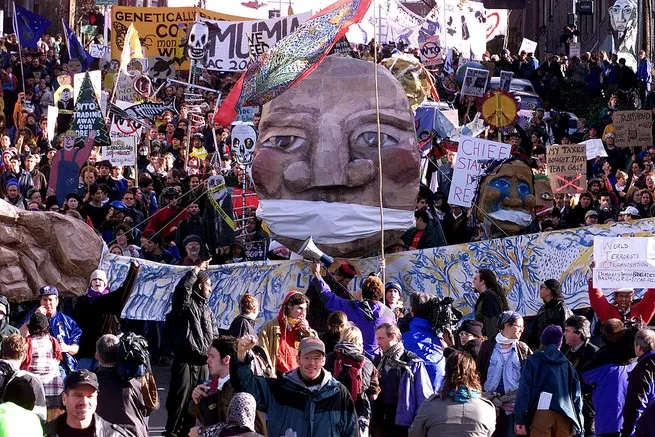
The movement started as a joke in group chats, but quickly spiraled into a massive online event. Thousands joined livestreams carrying virtual signs while shouting slogans about weekend extensions and chart justice. For many traders, the protest represents more than just humor. It is a reflection of how overwhelming the transition from weekend calm to market pressure can feel. The protest may be comedic on the surface, but it touches on real emotions that new and seasoned traders experience every week.
Why Mondays Trigger Meme Traders
Mondays come with an unusual mix of anxiety and anticipation. Markets reopen after two days of silence, and every trader must face whatever consequences their weekend predictions created in their minds. Meme traders feel this pressure more intensely than others because many base their strategies on trends, emotions, and digital culture rather than strict analysis. When markets behave unexpectedly, it often challenges their confidence and timing.
Another reason Mondays frustrate traders is the volatility that typically follows major weekend news. Whether it is a rumor, celebrity drama, or a sudden announcement from a tech company, Monday charts often look like a roller coaster. Meme traders argue that this volatility unfairly punishes those who rely on humor, intuition, and viral moments to guide their decisions. They believe the market should ease into the week instead of launching into chaos the moment the opening bell rings.
In online communities, discussions about Monday pressure have become a tradition. Many traders share stories about failed predictions, early losses, or emotional dips that happen specifically at the start of the week. The protest, although playful, gives them a collective way to express these shared struggles without feeling isolated. The movement reflects how digital communities often use humor as both a coping mechanism and a bonding tool.
The Formation of the Protest
The protest began when a popular meme page posted a sarcastic announcement inviting traders to unite against Mondays. What started as a lighthearted post quickly grew into a fully coordinated event. Influencers encouraged followers to join virtual gatherings where participants spammed chat boxes with slogans like charts deserve rest and ban Monday candles. Some even wore themed outfits on livestreams, such as pajama suits and oversized coffee mugs, symbolizing the universal struggle of waking up to market pressure.
Traders created animated posters, short videos, and remix songs to spread the message. Many of these clips went viral, turning the protest into a trending topic and drawing attention from people outside the trading world. It became a cultural moment showcasing how internet communities turn ordinary frustrations into large, creative expressions. Even those who do not trade joined in for fun, adding to the ridiculousness and charm of the event.
What the Protest Represents Culturally
The Monday protest highlights a deeper truth about online trading culture. Many individuals treat trading as both entertainment and stress relief. The pressure to perform well and react quickly to the market often clashes with the casual, humorous identity they maintain. This makes Mondays feel like a rude awakening after the playful freedom of the weekend.
By organizing a protest, meme traders transformed their stress into something humorous and memorable. The event allowed them to mock the seriousness of the market while also acknowledging how it impacts their emotions. It reflects the growing blend of financial activity with internet culture, where humor, exaggeration, and community involvement play major roles in shaping the experience.
Could Mondays Ever Change?
There is no realistic chance of removing Mondays from the trading calendar, but the protest did succeed in creating conversation. Some influencers suggested delaying their Monday trades until mid-day to avoid early-morning volatility. Others encouraged new traders to start the week with small, low-pressure decisions instead of aggressive moves. While the protest itself was humorous, it inspired helpful discussions about managing stress and expectations when facing a new trading week.
Platforms noticed the spike in memes and responded with their own jokes, acknowledging the movement without endorsing actual schedule changes. The humorous exchange between traders and platforms added to the community feeling that keeps meme-driven trading culture alive and thriving.
Conclusion
The protest against Mondays may not rewrite the rules of the market, but it definitely united a large community through shared humor and relatable frustration. Meme traders turned their weekly stress into a creative, entertaining movement that reminded everyone trading is not just about numbers but also about culture, connection, and the ability to laugh through the chaos.


Recent Comments