
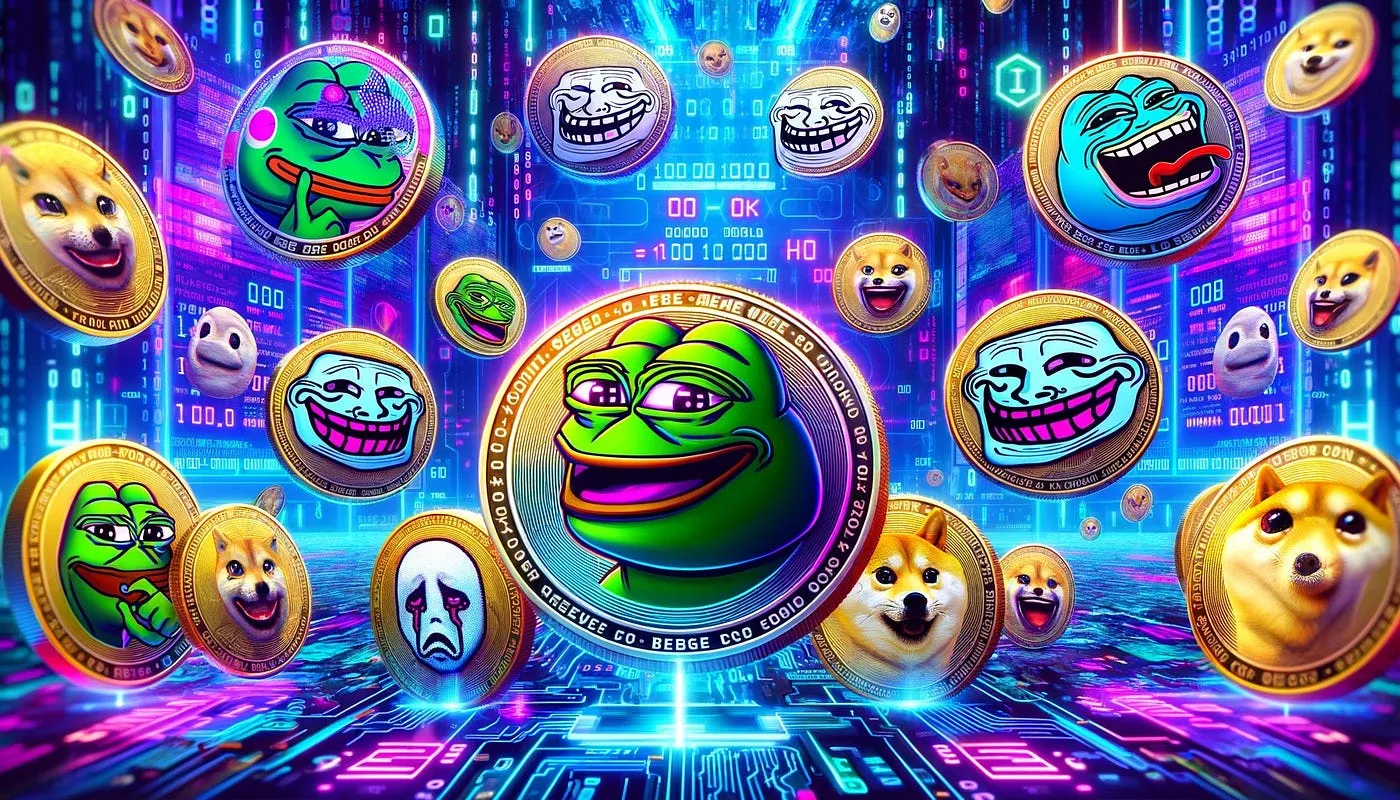
Memeconomics 101: How Laughs Move Markets
Once upon a time, market sentiment was measured in charts, indexes, and quarterly reports. In 2025, it’s measured in memes. Welcome to Memeconomics 101, where laughter isn’t just therapy it’s a trading indicator. In this new digital ecosystem, jokes have become the pulse of the financial internet. A single viral meme can move prices faster than a Fed announcement, and humor itself has become a new form of market intelligence.
As one analyst half-joked (and then regretted being right), “Memes are the Bloomberg terminals of Gen Z.” Whether it’s Dogecoin’s rise from satire to valuation, or TikTok traders turning economic pain into comedy content, the message is clear: in the attention economy, the funniest wins.
The Theory: Emotion as Currency
At the core of memeconomics lies a simple truth: markets don’t just run on data—they run on feelings. Humor amplifies those feelings faster than any official statement ever could. A bullish meme can trigger FOMO rallies; a sarcastic one can spark panic.
Behavioral finance has long studied the role of emotion in trading, but memeconomics adds a new layer collective irony. Online investors don’t simply express sentiment; they remix it. They turn anxiety into punchlines, and those punchlines become digital signals that algorithms now quantify as “social sentiment.”
One research paper even labeled this effect the LOL Index, tracking meme velocity against market volatility. The correlation is uncanny: when memes trend bullish, retail trading spikes within hours. When they turn cynical, liquidity dries up. Essentially, the internet laughs before the market reacts.
From Wall Street Bets to Global Influence
What started as Reddit chaos has evolved into a serious (and seriously funny) global phenomenon. Meme culture doesn’t just comment on finance it creates it. The 2021 GameStop saga was the first textbook case, but 2025 has taken it further.
Today, crypto influencers time announcements to coincide with meme trends. AI bots trained on humor algorithms generate engagement charts from TikTok captions. Even traditional hedge funds now employ “meme sentiment analysts” to forecast volatility.
A recent meme cycle featuring a dancing bear captioned “Rate Cuts in Reverse” preceded a 7 percent dip in altcoin liquidity. Coincidence? Maybe. But when you have entire trading desks tracking frog memes as macro indicators, the joke starts to sound like a strategy.
Case Studies: The Laughter-Liquidity Loop
-
Dogecoin’s Eternal Comedy Rally
Dogecoin remains the purest memeconomic experiment ever conducted. Born as a joke, it has outlived hundreds of “serious” tokens through sheer cultural inertia. Each viral tweet, each ironic pump, keeps liquidity alive. As one trader put it, “Dogecoin doesn’t need fundamentals it has punchlines.” -
The “Bears Shorted My Rent” Phenomenon
This 2025 meme a self-aware lament of retail investors facing market losses briefly became a macro sentiment indicator. Every repost coincided with small rebounds in altcoin markets, as communities “bought the dip for the meme.” Humor became the rallying cry of resilience. -
The Powell Parody Effect
Every time a meme of Jerome Powell “printing money” trends, short-term volatility in traditional markets increases. Analysts now include “Powell Memetic Frequency” in some social-sentiment dashboards. It’s economics meets improv.
Why It Works: Humor as Cognitive Liquidity
Humor is efficient. It compresses complex, abstract financial systems into instantly understandable emotional symbols. A thousand-word op-ed about inflation can’t compete with a meme showing a man paying $8 for a banana captioned, “CPI Report Drops Tomorrow.”
Memeconomics thrives because it democratizes finance. It removes the intimidation barrier and turns jargon into shared experience. Everyone gets the joke, therefore everyone participates. That collective participation engagement, posting, trading is liquidity in disguise.
In psychological terms, humor also offers detachment. It allows traders to mock their own risk exposure and still feel in control. Laughing at losses reduces panic, and that emotional regulation can stabilize short-term behavior across large groups. In other words, memes aren’t just entertainment they’re behavioral shock absorbers.
When the Joke Becomes the Market
The downside? Once humor becomes the language of finance, distinguishing irony from conviction gets tricky. Projects now deliberately manufacture meme campaigns to spark price action. “Viral sentiment farming” has replaced organic hype. Some meme tokens are launched entirely on punchlines “I made this coin as a joke,” says the founder, and a billion dollars later, no one’s laughing.
As a result, the line between commentary and manipulation blurs. Investors buy because something’s funny; developers sell because the punchline’s over. Meme cycles now mirror market cycles: creation, euphoria, disillusionment, repeat.
Academics Join the Joke
Even universities have noticed. “Memeconomics” is being discussed in behavioral finance seminars at Columbia and NYU as a real-world case study of digital sentiment markets. Professors use viral memes to explain supply shocks, speculative bubbles, and coordination effects.
One syllabus even includes assignments where students must “design a meme capable of moving sentiment 1 percent on a simulated market.” The future of finance might not just be decentralized it might be crowd-laughed.
Conclusion
Memeconomics isn’t a side effect of internet culture it is the culture. Humor has become both market data and social resistance, proving that in a system driven by emotion, laughter is the most efficient form of truth. The traders of 2025 don’t just read charts; they read comment sections.
In this new financial frontier, attention is value, virality is velocity, and the meme is the message. The market might rise and fall, but the jokes? They compound forever.

Recent Comments