Memes, Pop Culture and Gen Z
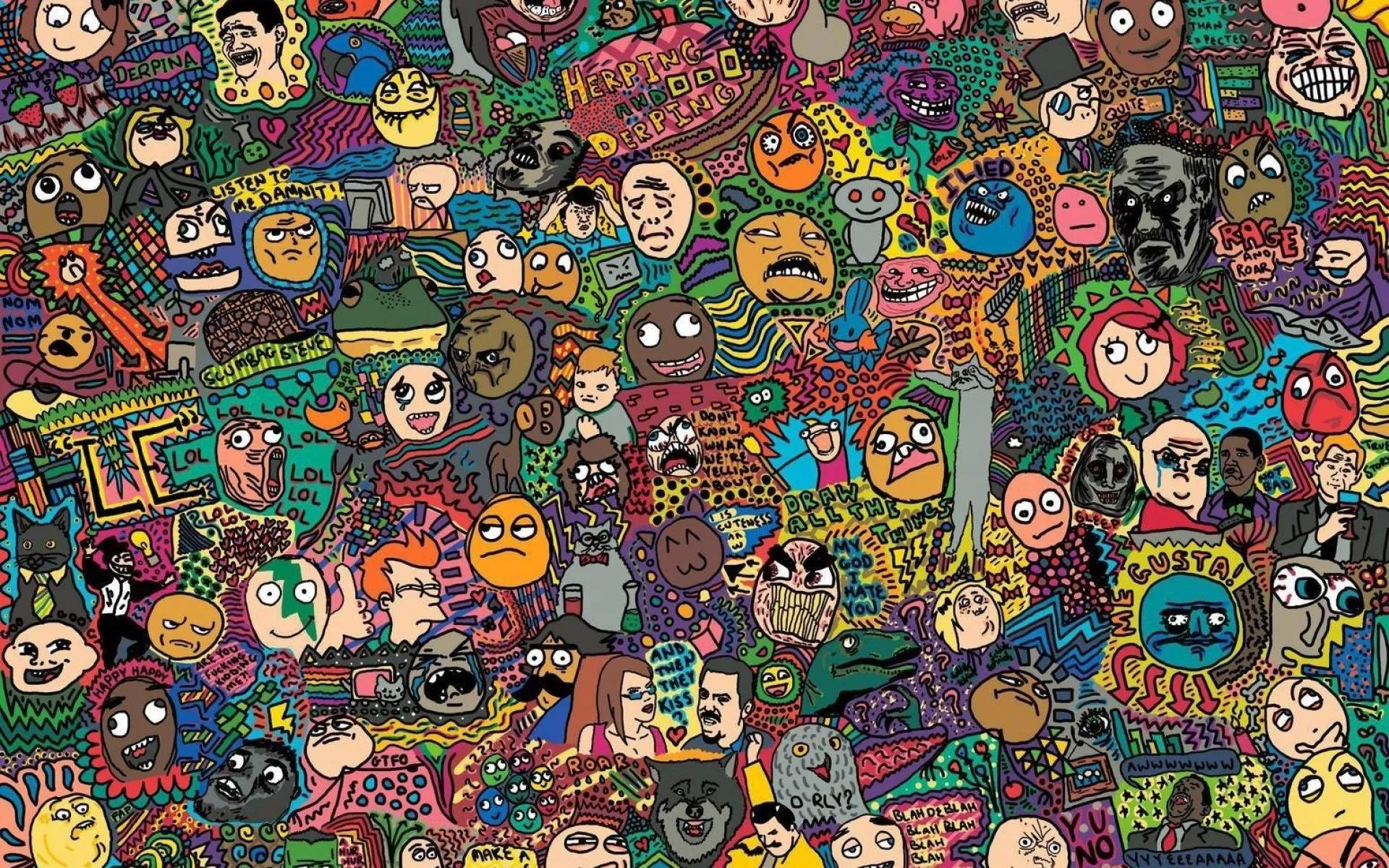
Memes and pop culture have become the heartbeat of Gen Z life, shaping how young people communicate, joke and express themselves online. What once felt like random internet humor has now evolved into a full language that this generation uses daily. Every trend, every inside joke and every viral clip forms part of a constantly shifting shared identity. Gen Z does not just consume culture, they remix it at incredible speed.
Memes are central to this ecosystem because they simplify complex emotions into quick, relatable visuals. Teens and young adults use them to cope with stress, celebrate wins or poke fun at everyday chaos. A single meme format can transform into hundreds of variations within days. This makes meme culture feel fast, alive and community driven.
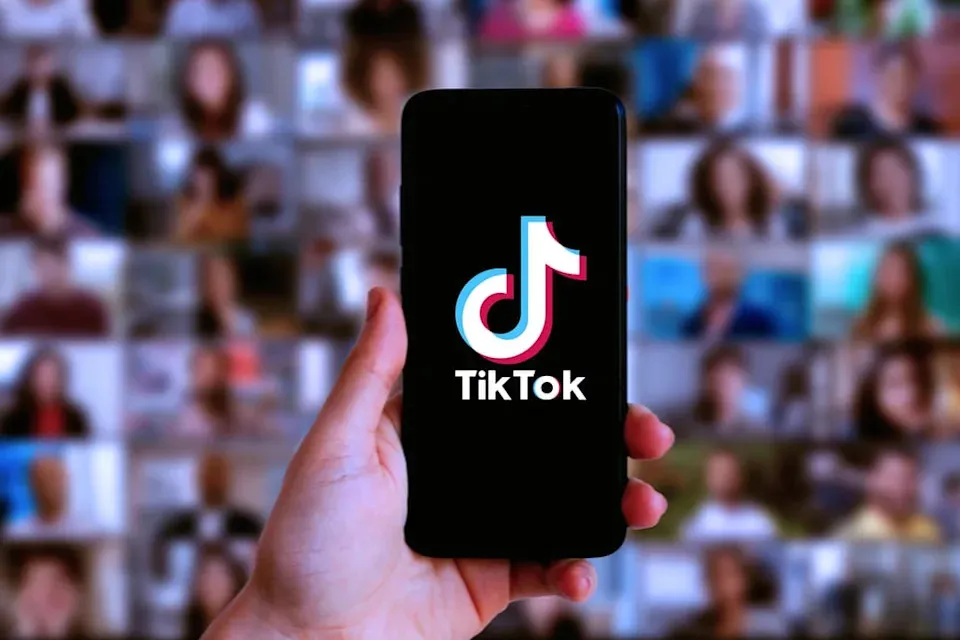
Pop culture also plays a huge role in Gen Z’s digital identity. Movies, music, anime, celebrities and viral influencers fuel ongoing conversations across TikTok, Instagram and X. Instead of following trends passively, Gen Z reinterprets pop culture through edits, mashups and fan made content. These creations often spread farther than the original source material.
Another defining trend is the rise of meme powered commentary on news and social issues. Young people use humor to discuss serious topics in ways that feel approachable and shareable. This does not take away the importance of the topic. It simply makes the conversation easier for communities who grew up online.
Gen Z has also turned nostalgia into a cultural engine. Early 2000s shows, vintage aesthetics and childhood cartoons are revived through memes and edits. These nostalgic callbacks help young users feel connected to each other, even if their experiences differ. The mix of old and new creates a unique aesthetic that only Gen Z could build.
Creators are at the center of this world. Teen editors, meme pages and niche fan accounts often spark the trends that end up everywhere. They treat online spaces like creative studios, turning pop culture moments into art, jokes and viral micro trends. Many of these creators gain large followings because their humor makes people feel seen.
Brands have noticed this shift and now rely heavily on meme based marketing to appeal to young audiences. Gen Z quickly rejects anything that feels forced, so authenticity matters. Companies that understand internet culture succeed because they speak the same language as their audience. Those that do not adapt are left behind.
Memes and pop culture continue to evolve as Gen Z shapes the digital world through creativity and humor. What makes this generation unique is the way they turn everyday culture into shared experiences that spread across the internet in seconds. As 2025 approaches, this blend of memes and pop culture will remain one of the strongest forces defining youth identity.
Recent Comments