New York Real Estate Demand and the Changing Urban Landscape
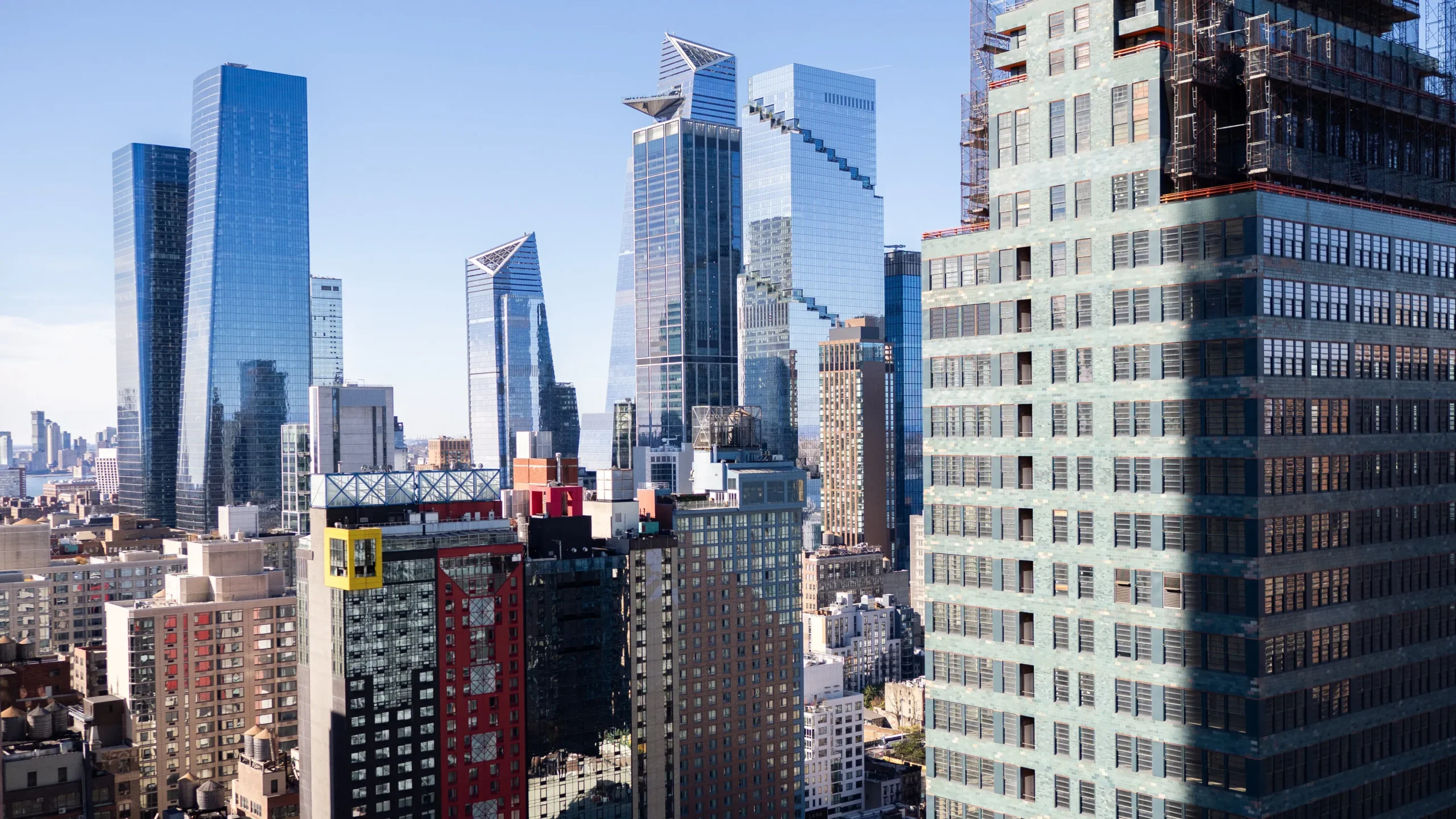
New York’s real estate sector is evolving quickly as demographic shifts, remote work patterns and lifestyle trends redefine how people live, work and invest in the city. In 2025, demand is no longer driven solely by traditional financial centers or high rise luxury towers. Instead, new neighborhoods, flexible spaces and mixed use developments are shaping the next chapter of the urban landscape. As Gen Z renters, digital workers, global investors and creative industries reshape the city, New York’s real estate market is becoming more dynamic, decentralized and culturally driven.
Hybrid Work Habits Reshape Office Demand and Downtown Dynamics
New York’s office market is still adjusting to long term hybrid work. While demand for older, outdated office buildings remains weak, high quality and tech enabled spaces continue to attract companies that prioritize collaboration, brand culture and employee experience.
New trends shaping office demand include:
-
Flexible layouts for hybrid teams
-
Amenities such as wellness rooms, event spaces and creator studios
-
Smaller headquarters with distributed satellite hubs
-
Conversions of older buildings into residential or mixed use spaces
Downtown districts are gradually reinventing themselves, adding more entertainment, dining and cultural spaces to compensate for reduced daily commuter traffic. This shift marks a new phase for Manhattan, where experience driven districts matter more than traditional corporate clusters.
Residential Demand Rising in Neighborhoods Beyond Manhattan
As hybrid lifestyles expand, New Yorkers are choosing neighborhoods that offer more space, better walkability and stronger local culture. Areas in Brooklyn, Queens and parts of the Bronx are seeing rising demand from young professionals, remote workers and creative communities.
Top drivers include:
-
Access to parks and community spaces
-
Local cafés, vintage stores and independent restaurants
-
Lower cost compared to Manhattan
-
Strong transport links and bike friendly streets
Neighborhoods such as Long Island City, Bushwick, Astoria and Mott Haven are becoming hotspots for renters who want urban energy without Midtown prices. Developers respond by building mid rise apartments, mixed use projects and community centered retail strips that match Gen Z and millennial expectations.
Retail Spaces Transform Into Experience Hubs for a New Generation
Retail demand is shifting from traditional storefronts to experience led concepts. Brands use physical locations not just for sales but for community events, product testing and cultural engagement.
Trends shaping retail real estate include:
-
Pop up shops for creators, influencers and online brands
-
Hybrid retail cafés mixing lifestyle, food and merch
-
Interactive store designs that encourage social content creation
-
Local maker markets and community based retail
Neighborhood retail corridors benefit from strong foot traffic and rising interest in “shop local” culture. Even major brands now prefer smaller, immersive spaces over large traditional stores.
Luxury and Ultra Luxury Segments Remain Strong but More Selective
New York’s high end real estate market continues to attract global investors, but demand is more focused and value driven. Buyers prioritize views, amenities, architectural uniqueness and proximity to lifestyle attractions. Properties near Central Park, Hudson River waterfronts and culturally rich neighborhoods remain in high demand.
Luxury trends include:
-
Smart home technology integration
-
Wellness focused buildings with spas and fitness centers
-
Artistic and design forward interiors
-
Privacy focused boutique developments
While the ultra luxury segment remains resilient, buyers are more selective, seeking homes that feel personalized and culturally relevant rather than simply high priced.
Mixed Use Developments Become Central to Urban Growth
Developers are embracing mixed use spaces that combine residential, retail, co working and entertainment in one ecosystem. These developments match the lifestyle of modern New Yorkers who value convenience, flexibility and community integration.
Such spaces offer:
-
Shared terraces and community lounges
-
On site work hubs and creator studios
-
Fitness and wellness centers
-
Ground level cafés and cultural activations
These blended environments help neighborhoods become self sustained, reducing travel time while increasing local engagement.
Conclusion
New York’s real estate demand is shifting alongside cultural trends, hybrid work and new lifestyle expectations. The city’s urban landscape is becoming more decentralized, flexible and experience driven. As office districts reinvent themselves, new residential hotspots emerge and mixed use communities expand, New York continues to adapt with the same resilience and reinvention that define its identity. For renters, investors and young entrepreneurs, the evolving market presents fresh opportunities and a more creative, community centered version of the city.

Recent Comments