NFT Standard

721 / 1155

Reliable NFT Standards Powering the TRON Blockchain

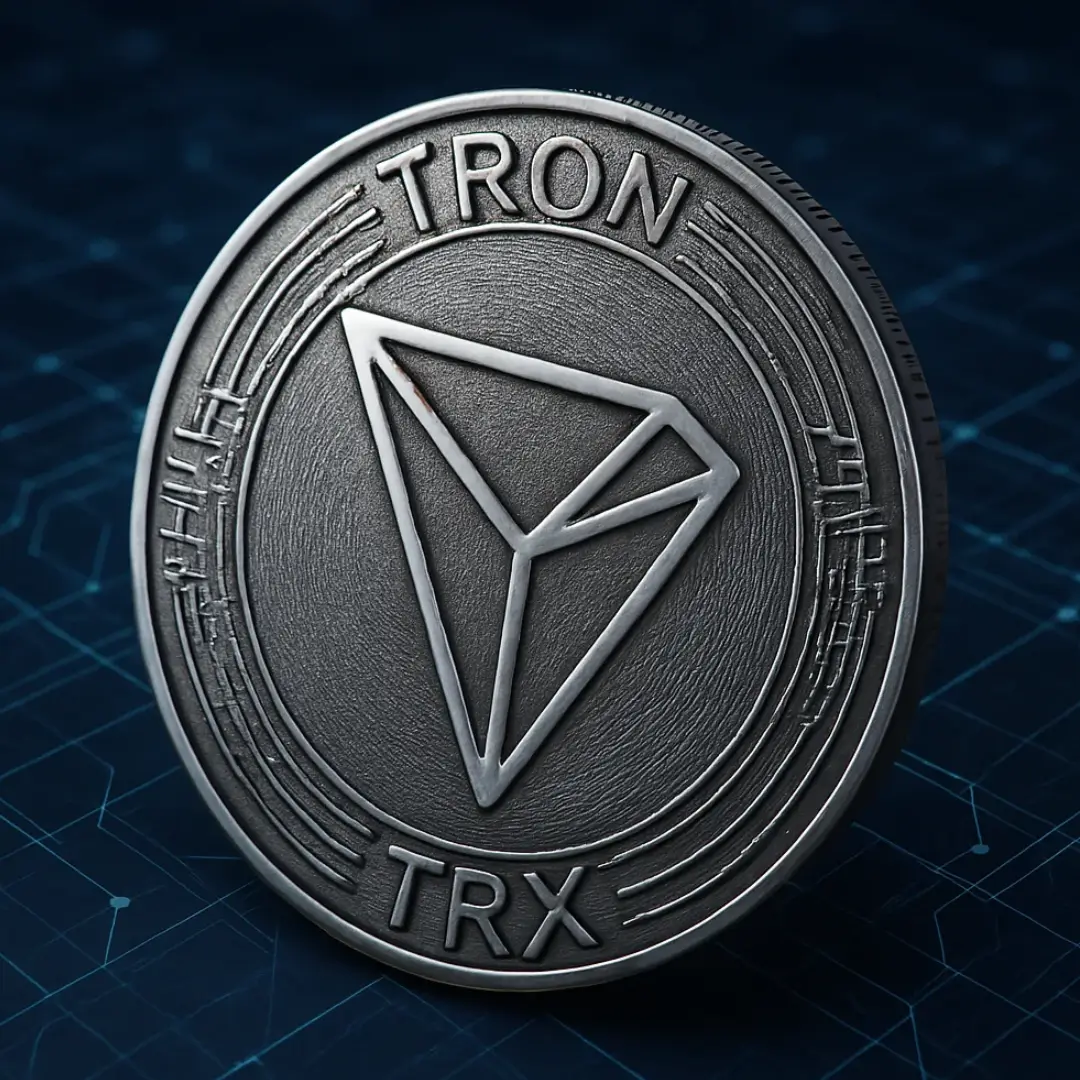
Manhattan G utilizes TRON’s NFT standards TRC-721 and TRC-1155 to deliver secure, scalable, and efficient NFT solutions. These standards define how NFTs are minted, owned, transferred, and managed, ensuring transparency and interoperability across the TRON ecosystem.

Understanding NFT Standards

NFT standards are smart contract frameworks that ensure digital assets function consistently across wallets, marketplaces, and applications. By adopting TRC-721 and TRC-1155, Manhattan G provides flexibility for both unique and large-scale NFT use cases.

Unique Digital Assets: TRC-721

TRC-721 is designed for single, non-duplicable NFTs, where each token represents a unique asset recorded on the blockchain.

Key Characteristics:

  • One token represents one unique asset
  • Individually identifiable token IDs
  • Verifiable ownership and transfer history
  • Ideal for exclusive digital items

Key Characteristics:

  • Digital art and collectibles
  • Certificates and credentials
  • Exclusive access to NFTs

Multi-Token Standard: TRC-1155

TRC-1155 is a flexible and efficient multi-token standard that supports both NFTs and fungible tokens within a single smart contract.

Key Characteristics:

  • Supports multiple NFTs or token types
  • Batch minting and transfers
  • Reduced transaction costs
  • Optimized for scalability

Key Characteristics:

  • NFT collections and editions
  • Gaming assets and virtual items
  • Event tickets and memberships

Multi-Token Standard: TRC-1155

Feature
Single, unique NFT
Multiple NFTs or tokens
Asset Type
Single, unique NFT
Multiple NFTs or tokens
Editions
One-of-one
Multiple editions
Gas Efficiency
Standard
High
Scalability
Moderate
High
Best For
Art & collectibles
Games & large collections

Why Manhattan G

By supporting both standards, Manhattan G enables:
All NFT operations are recorded on-chain, providing transparency, security, and trust.

Build with Confidence

Whether you are creating exclusive NFTs or managing high-volume collections, TRC-721 and TRC-1155 standards provide the foundation for reliable, future-ready NFT solutions on the TRON blockchain.

FAQs

An NFT (Non-Fungible Token) is a unique digital asset recorded on the blockchain that proves ownership and
authenticity of digital or physical items.

TRC-721 and TRC-1155 are NFT standards on the TRON blockchain. TRC-721 is used for unique, one-of-a
kind NFTs, while TRC-1155 supports multiple NFTs or token types within a single smart contract.

TRC-721 is ideal for single, unique NFTs, whereas TRC-1155 is optimized for scalability, allowing batch
minting and transfers of multiple NFTs or editions.

Choose TRC-721 for exclusive or one-of-one NFTs. Choose TRC-1155 if you plan to mint collections,
multiple editions, gaming assets, or tickets.

Yes. You will need TRX to pay for minting, purchasing NFTs, and blockchain transaction fees.

ManhattanG supports TRON-compatible wallets, such as TronLink and other supported wallets within the
TRON ecosystem.

Yes. NFTs minted under TRC-721 or TRC-1155 can be transferred or sold according to marketplace rules and
smart contract permissions.

No. All NFT transactions on the blockchain are final and irreversible once confirmed.

Your NFTs remain securely stored on the blockchain and can be accessed through your wallet or other
compatible platforms.

Not automatically. Ownership of an NFT does not always grant copyright or usage rights. These depend on the creator’s licensing terms.
Yes. NFTs are secured by blockchain technology and smart contracts. Users must protect their private keys and wallet credentials.
Transaction fees are small network costs required to process blockchain operations. TRON offers low-cost and efficient fees compared to many other networks.
Yes. Using the TRC-1155 standard, multiple NFTs or editions can be minted in a single transaction.
Yes. TRC-721 and TRC-1155 NFTs are compatible with supported TRON wallets and marketplaces.
Always verify official links, contract addresses, and never share your private keys or recovery phrases with anyone.