The Psychology Behind Why Gen Z Loves Meme Tokens
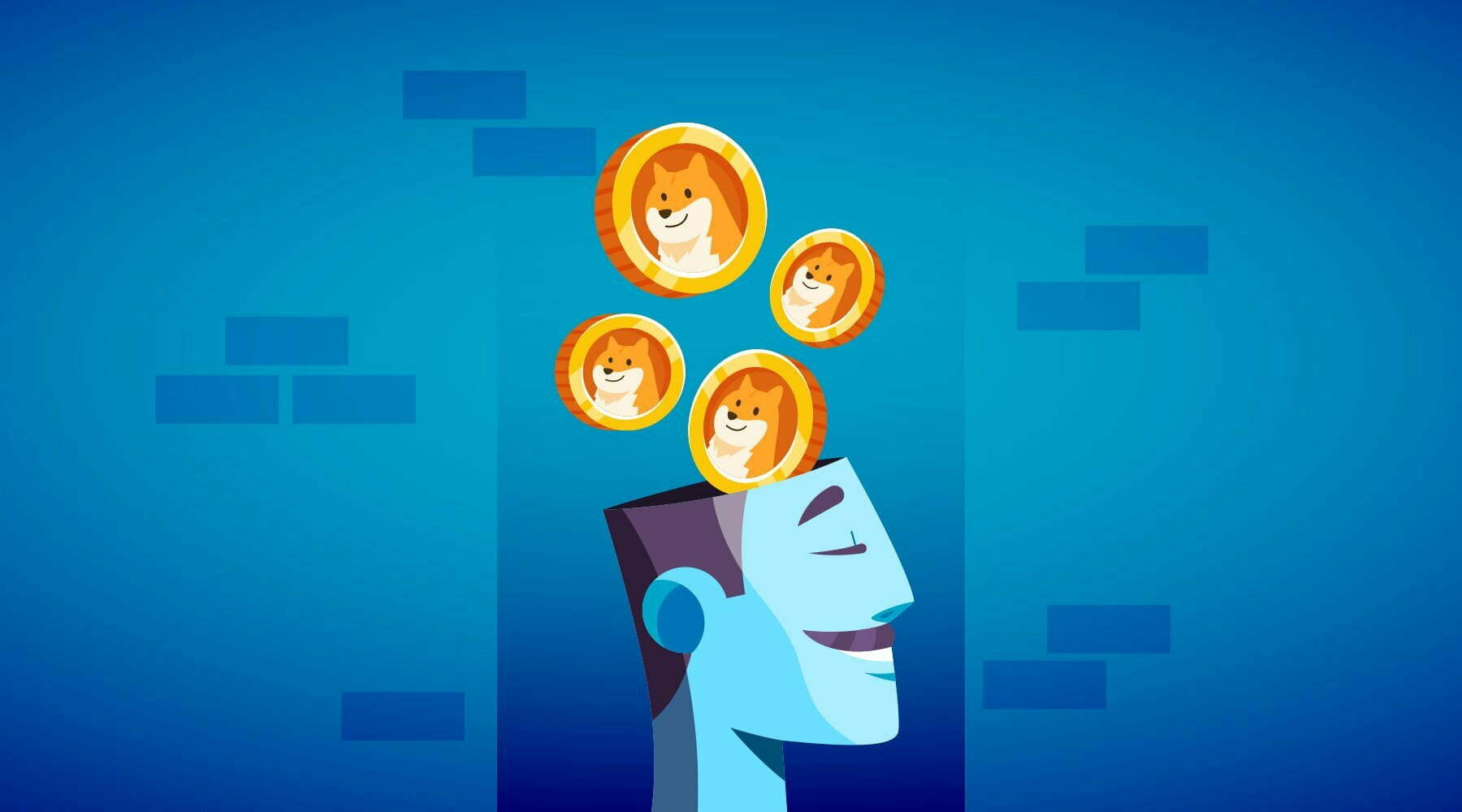
Gen Z has officially turned meme tokens into the digital equivalent of thrill rides. What started as playful online jokes has become a full scale cultural phenomenon where humor, chaos and community energy combine into one unpredictable asset class. To older generations, this trend looks irrational. To Gen Z, it makes perfect sense. They grew up inside fast moving digital environments where trends shift daily and entertainment blends seamlessly with opportunity.
What truly sets Gen Z apart is their ability to treat the internet like a living ecosystem with its own emotional cycles. They understand this space intuitively, and meme tokens fit perfectly into their worldview. These assets embody the humor, spontaneity and collective participation that define their online culture. It is less about financial logic and more about psychological resonance.
Meme Tokens Fit Gen Z’s Digital Identity
The most important reason Gen Z gravitates toward meme tokens is that they align with their digital identity. Meme culture has been the backdrop of their entire upbringing. Sharing jokes, remixing trends and participating in viral moments form the core of their online interactions. Meme tokens extend this familiar culture into the world of digital finance.
To Gen Z, meme tokens are not just assets. They are cultural artifacts that represent belonging, humor and community creativity. Owning a meme token feels like joining an inside joke with thousands of people who all understand the reference. The emotional connection is immediate, and the shared excitement fuels participation.
Participation Feels More Important Than Prediction
One defining psychological trait of Gen Z is their preference for participation over prediction. They do not need to know exactly where a token is going as long as they feel involved in the movement. Meme tokens thrive on this mindset. The fun comes from being part of the chaos, not perfectly timing the market.
This participatory approach makes meme tokens more appealing than traditional assets, which often feel passive and detached. Meme tokens offer constant engagement through community chats, meme drops, viral threads and influencer reactions. The journey is just as important as the outcome.
Humor Reduces the Fear of Risk
Humor plays a massive psychological role in meme token culture. By framing participation in jokes and memes, Gen Z reduces the emotional weight of risk. A dip becomes a meme, not a financial disaster. A sudden pump becomes a celebration, not a calculated success. Humor turns market stress into entertainment.
This approach does not eliminate risk but reframes it in a way that feels manageable. Laughing about the chaos makes it easier to stay calm, adapt and remain part of the community. Humor transforms complexity into something relatable. This emotional buffer is a key reason meme tokens have such sticking power among younger users.
Community Validation Drives Confidence
Gen Z values community validation highly, and meme token communities thrive on constant interaction. When thousands of people share the same excitement, confidence spreads quickly. Community support provides emotional reassurance during volatile moments and amplifies the fun during positive ones.
These communities also create a sense of shared mission. People feel like they are contributing to something bigger than themselves, even if it is just a fast moving digital trend. This feeling of belonging increases loyalty and makes participation more meaningful.
Conclusion
Gen Z loves meme tokens because they blend humor, identity, participation and community into a single digital experience. These tokens reflect the psychology of a generation raised on rapid trends and online collaboration. As long as meme culture continues influencing digital behavior, Gen Z’s fascination with meme tokens will remain strong.

Recent Comments