
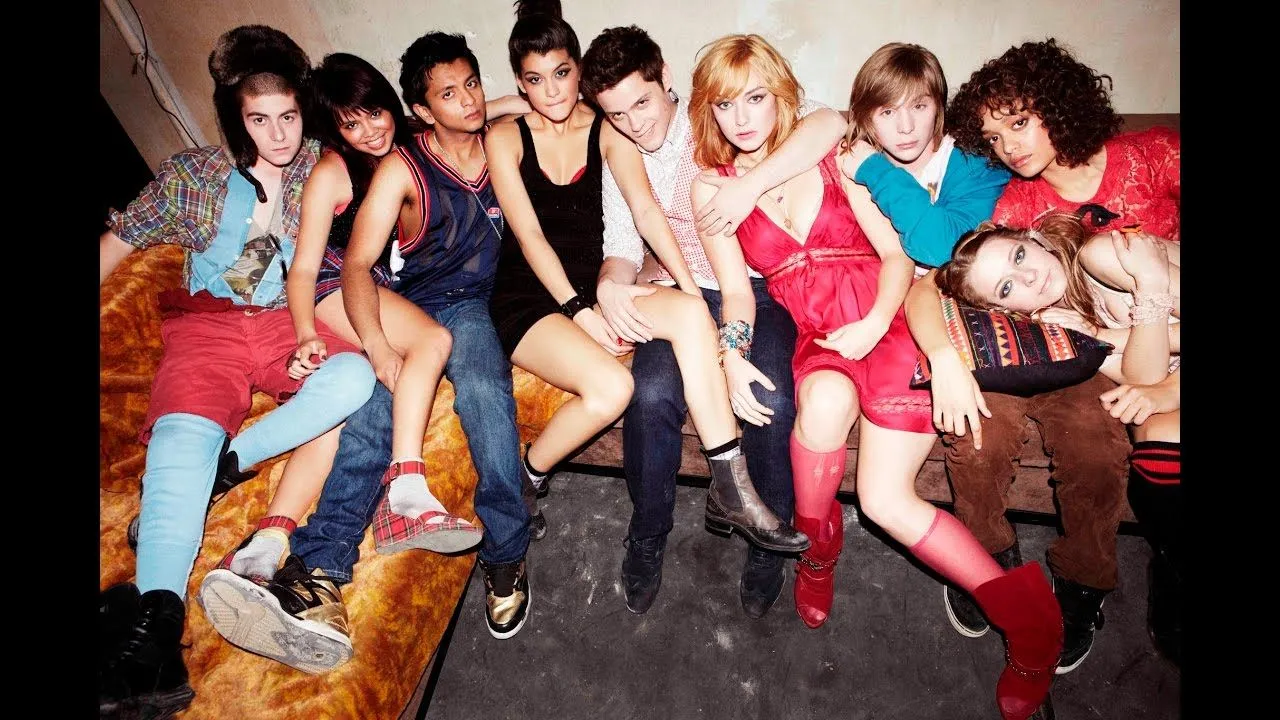
The representation of teenagers in pop culture
The representation of teenagers in pop culture plays a major role in shaping how society understands youth experiences. Movies, music, TV shows and online creators all influence how teens are seen and how teens see themselves. These portrayals help define trends, attitudes and expectations in a world where digital media is constantly evolving.
Pop culture often highlights universal themes of teenage life such as identity, friendships, school pressures and self-discovery. When done well, these stories give young audiences characters they can relate to and moments that reflect their own lives. Authentic representation helps teens feel understood and seen in a way that traditional media sometimes struggled to achieve.
In recent years, social media creators have added more diverse and realistic portrayals of teens. Instead of polished characters created by studios, many young audiences now follow influencers who share real moments, challenges and humor from their daily lives. This shift has made representation more inclusive and more connected to actual teenage culture.
However, some portrayals in film and TV still rely on stereotypes. Teens are sometimes shown as overly rebellious, dramatic or one-dimensional. These simplified characters can miss the complexity of real teenage experiences. Audiences today increasingly look for stories that respect their intelligence and show a wider range of personalities.
Positive representation also means showing teens from different backgrounds, cultures and lifestyles. When pop culture includes a diverse set of voices, it helps young people feel valued and helps others understand experiences different from their own. This kind of inclusion builds empathy and creates a healthier media environment.
The rise of streaming and global platforms has helped more authentic storytelling reach wider audiences. Teen characters now appear in genres ranging from comedy to sci-fi, giving viewers more variety and more meaningful choices. These stories reflect how dynamic and creative this generation truly is.
Overall, the representation of teenagers in pop culture is becoming more accurate, more diverse and more aligned with real life. When creators listen to young audiences and reflect their world honestly, pop culture becomes a powerful space where teens feel recognized, inspired and connected.

Recent Comments