
To Understand Bulgaria’s Gen Z Protests, Follow the Money
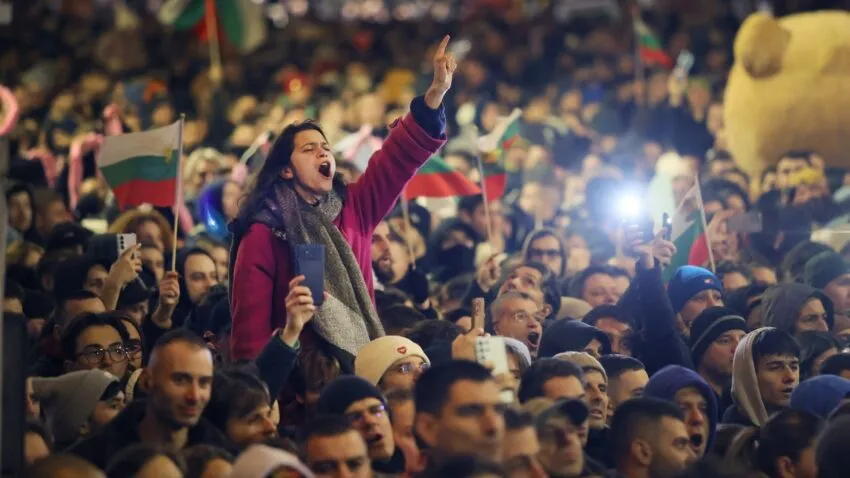
Bulgaria has seen a new wave of protests driven largely by Gen Z, and the reasons go deeper than politics alone. While public anger is often framed around corruption and governance, financial pressure is emerging as a core driver. For young Bulgarians, economic frustration is no longer abstract. It is personal, visible, and increasingly urgent.
At the center of the protests is a growing sense that the system is stacked against younger generations. Rising living costs have sharply outpaced wages, especially in major cities. Rent, utilities, and basic expenses now consume a disproportionate share of income for students and early career workers.
Gen Z protesters are particularly vocal about housing. Home ownership feels unattainable for many, while rental markets remain tight and expensive. This has created a perception that economic mobility is shrinking rather than expanding. For a generation raised on promises of opportunity, the reality feels like a broken contract.
Employment is another key pressure point. While official unemployment figures appear stable, many young people are trapped in low-paying or insecure jobs. Short-term contracts and limited career progression have become common. Financial stability feels delayed or completely out of reach.
Education costs also factor into the unrest. University tuition, living expenses, and student debt place added strain on young adults. Many graduates enter the workforce already financially behind, with little confidence that higher earnings will follow. This gap between effort and reward fuels resentment.
Protest messaging increasingly highlights where money flows within the system. Demonstrators question public spending priorities and the concentration of wealth among political and business elites. Allegations of misallocated funds resonate strongly with Gen Z, who are highly attuned to transparency and accountability.
Social media has amplified this financial narrative. Protest organizers use platforms to share data, personal stories, and comparisons with other European countries. These posts frame economic inequality in clear and relatable terms, helping mobilize broader participation.
Unlike earlier protest movements, Gen Z activism in Bulgaria blends street demonstrations with digital finance awareness. Conversations around wages, inflation, and public budgets trend alongside memes and viral videos. This mix keeps the issue accessible and emotionally engaging.
The protests also reflect a wider generational shift across Europe. Young people are increasingly linking political dissatisfaction to economic outcomes. Trust in institutions erodes when financial prospects feel permanently constrained. Bulgaria’s situation mirrors similar frustrations seen elsewhere, though local conditions intensify the impact.
Policymakers face mounting pressure to respond with more than rhetoric. Symbolic gestures are unlikely to calm unrest driven by material hardship. Gen Z protesters are demanding structural changes that improve affordability, job security, and economic fairness.
Observers note that this generation is less patient with slow reform. Having grown up during global financial instability, Gen Z tends to view economic risk as constant. This has shaped a more confrontational and data-driven protest culture.
The financial lens also explains why protests remain persistent. Economic pain does not fade quickly, and temporary concessions rarely address root causes. As long as wages lag costs and opportunity feels limited, mobilization is likely to continue.
Understanding Bulgaria’s Gen Z protests requires looking beyond slogans and headlines. Money flows, cost pressures, and stalled mobility sit at the heart of the movement. For this generation, economic justice is not a side issue. It is the issue.
As protests evolve, the message is becoming clearer. Political legitimacy is increasingly tied to financial outcomes. For Bulgaria’s Gen Z, meaningful change starts with following the money and demanding a system that works for them.



Recent Comments