
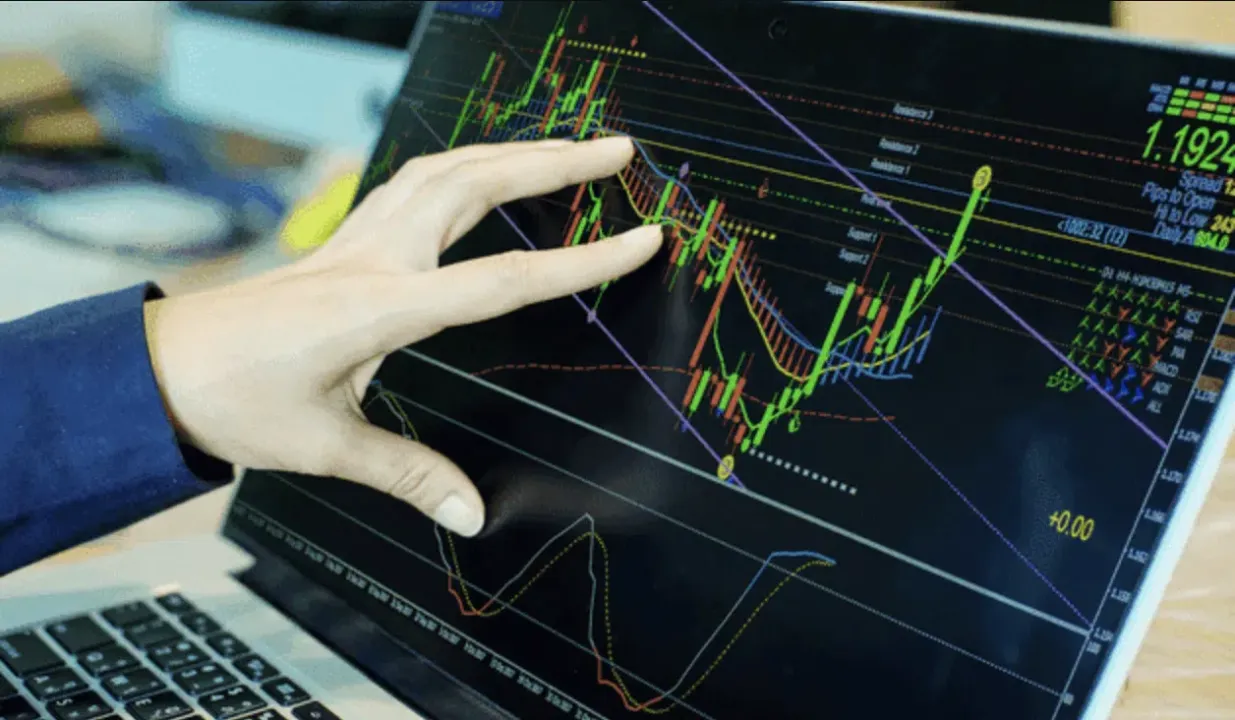
Traders debate if vibes qualify as technical analysis
The trading world has seen its fair share of unusual strategies, but the latest debate sweeping online communities asks a question no one expected: do vibes count as technical analysis? What started as a joke among Gen Z traders quickly evolved into a full discussion about intuition, mood based decisions, and the unpredictable culture of modern markets. Some traders insist that gut feeling has always played a role in investing, while others argue that relying on vibes is nothing more than glorified guessing.
Despite the lighthearted tone, the debate reveals how digital era trading blends humor with serious market conversations. Many young traders are frustrated with traditional indicators that often feel outdated or contradictory, leading them to explore more relatable ways of interpreting market energy. Whether vibes belong in the same conversation as charts and indicators remains controversial, but the topic has sparked lively discussions across forums, group chats, and social media.
Why Traders Are Seriously Debating Vibes as Analysis
The most important reason vibes have become a discussion point is the rise of emotion driven trading communities. Many young investors entered markets during periods of extreme volatility, where hype, fear, and online trends shaped price movements as much as technical signals did. In these environments, traders began joking that reading the mood of the market sometimes worked better than studying complicated indicators.
Some traders argue that vibes simply represent market sentiment in a humorous form. They believe that understanding emotional reactions, crowd energy, and collective optimism or panic is a valid part of analyzing price movements. Since sentiment often shifts faster than charts, they say paying attention to the overall mood can help traders anticipate sudden changes.
Others take a more skeptical approach. They insist that vibes are nothing more than intuition dressed up as a trend. They believe successful trading requires discipline, data, and structured analysis rather than feelings. To them, relying on vibes is a slippery slope that encourages impulsive decisions and emotional trading.
The debate continues because both sides see glimpses of truth in their arguments. Markets have always been influenced by human psychology, but giving that influence a meme friendly name has added new layers of humor and confusion to the conversation.
How Vibe Based Decisions Spread Across Trading Platforms
Online platforms play a major role in popularizing vibe based trading talk. Group chats, streaming sessions, and social feeds are full of users sharing their “vibe reads” for the day. Some joke that the market “feels bullish,” while others claim their intuition is warning them of a sudden reversal. These posts are often meant for entertainment, but they still influence conversations around price movement.
Creators add to the trend by making meme charts that replace traditional indicators with emotion based labels. Instead of RSI or moving averages, these charts show categories like uncertainty zone, good vibes only area, or panic corner. They may be satirical, but they catch attention and spark discussions about how unpredictable markets can be.
Some traders even treat vibes as a complementary tool. They follow routine technical analysis but check the mood of their communities before making decisions. While not scientific, this blend reflects how younger traders interact with financial spaces. They trust social signals and community reactions more than past generations did, making vibe based talk feel natural.
At the same time, experienced traders respond with caution. They point out that online sentiment often shifts wildly and may not reflect actual market trends. For them, vibe based strategies are part of the entertainment side of trading, not something to rely on when real money is at stake.
The Psychology Behind Vibe Driven Trading
The vibe debate has sparked interest among those who study trading psychology. They note that intuition has always played a role in decision making. Even seasoned investors sometimes rely on their experience based instincts when charts send mixed signals. In this sense, vibes may simply be a modern, humorous interpretation of emotional awareness.
Market psychology teaches that fear, excitement, and crowd momentum influence price action. Traders who sense these shifts early often benefit. This idea supports the argument that observing mood can be a useful secondary indicator. However, psychologists also warn that emotional decision making can lead to bias, overconfidence, and reactive mistakes.
Vibe driven trading reflects how social behavior shapes financial environments. When thousands of traders share similar emotions online, those emotions impact the market. The debate reminds traders that markets are not purely mechanical systems. They move with human behavior, and memes are now part of that landscape.
Can Vibes Ever Be Considered a Real Trading Strategy?
The idea of vibes becoming an official technical indicator is extremely unlikely, but some traders still experiment with incorporating mood based signals into their routines. They track social media sentiment, observe comment trends, and listen to community chatter before taking positions. While they don’t label it technical analysis, they view it as modern sentiment tracking.
Professional analysts remain skeptical. They argue that any approach lacking measurable data cannot be classified as analysis. They emphasize that emotional awareness may be useful, but it must be paired with structured strategies to prevent impulsive mistakes.
The most balanced view is that vibes can offer insight into market sentiment, but they should not replace actual tools. Emotional awareness is part of trading psychology, but not a standalone system. The fun lies in acknowledging how unpredictable markets can be while still relying on solid decision making methods.
Conclusion
The debate over whether vibes qualify as technical analysis blends humor, psychology, and modern trading culture. While vibes are not a reliable strategy, they highlight the importance of understanding market sentiment and recognizing the emotional side of trading. As online communities continue shaping financial conversations, this playful trend reflects how today’s traders interact with markets in creative and unexpected ways.



Recent Comments