
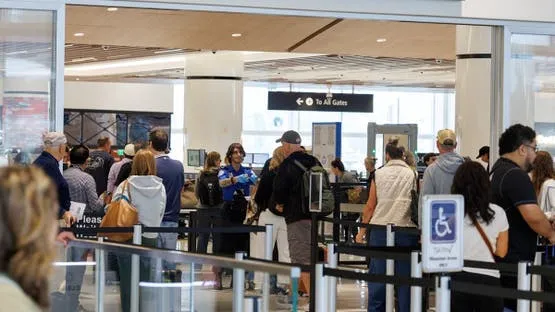
US plans to order foreign tourists to disclose social media histories
The United States is preparing a new policy that would require foreign tourists to disclose parts of their social media history when applying for entry, according to early government discussions. The proposal is aimed at strengthening security screenings by giving immigration officials more visibility into online activity. However, the plan has already sparked global debate over privacy, digital rights and the potential impact on international travel.
Officials say the move is designed to help identify security risks by reviewing publicly visible social media accounts. The requirement would likely include platforms such as Instagram, TikTok, X and Facebook. Authorities argue that digital footprints have become an essential part of modern background checks, especially as online radicalisation and coordinated misinformation campaigns continue to grow.
Travel groups and privacy advocates, however, warn that the policy could deter tourists from visiting the United States. Many argue that forcing travelers to hand over years of personal posts creates a chilling effect on free expression. Critics say people may feel pressured to delete content or censor themselves online out of fear it might be misinterpreted during the visa process.
Analysts also note that the proposal raises questions about how the data would be used, stored and protected. Social media accounts often contain sensitive personal information, including political views, cultural commentary and private interactions. Experts caution that broad access to such data could lead to unfair profiling or misjudgments based on jokes, memes or posts taken out of context.
Tourism officials worry the new rule may slow down entry processes and create additional administrative burdens for travelers and border agents. They say that any requirement involving digital history would need clear guidelines to avoid confusion and delays at airports. Some international governments have already signaled that they may issue travel advisories if the policy becomes official.
Supporters of the plan argue that other countries have introduced digital screening tools in recent years, and the US must modernize its system to keep pace with global security trends. They believe the review of social media histories could help identify high risk profiles without affecting the vast majority of compliant tourists.
For younger travelers, particularly Gen Z, the proposal raises unique concerns. With a lifetime of online content stored on various platforms, many worry that old posts made as teenagers could complicate future travel plans. Digital rights groups emphasize that context is essential and that algorithms or rushed screenings could easily misinterpret humor, memes or outdated opinions.
The US government has not yet finalized when the new requirement would take effect or how social media data would be evaluated. Officials say further consultations will take place with privacy experts, civil liberties groups and international partners before implementation. More details are expected later this year as the policy moves through review stages.
As global travel rebounds, the discussion highlights a wider trend of governments relying more heavily on digital identities and online behavior in security assessments. Whether the US proposal becomes a new international standard or faces significant pushback will depend on how these competing concerns are balanced.
For now, travelers are watching closely as the United States weighs a policy that could dramatically change the future of digital transparency at the border.


Recent Comments