Viral Meme Trends Of 2025 That Defined Our Year
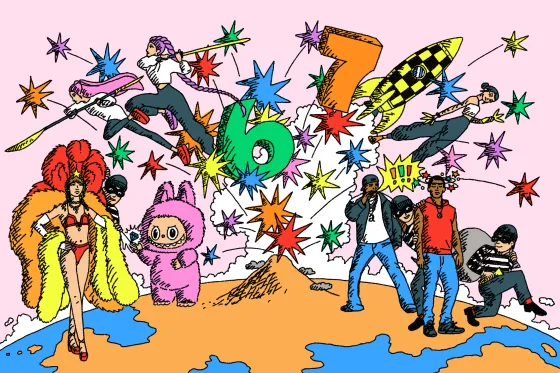
2025 proved once again that memes are more than jokes. They became cultural signals, financial indicators, and social commentary rolled into one scrollable format. From crypto timelines to mainstream feeds, meme culture shaped how Gen Z and Millennials talked about money, identity, and the state of the world.
One of the most dominant trends of the year was Main Character Energy memes. These posts reframed everyday routines as cinematic moments, often paired with finance or self improvement themes. Whether it was going to the gym, checking a portfolio, or booking a solo trip, the meme reinforced the idea that life decisions are part of a personal narrative arc. This trend blended motivation with irony and became especially popular on TikTok and Instagram Reels.
Another defining meme cycle was the rise of “Soft Life but Make It Strategic” content. These memes rejected hustle culture while still acknowledging economic reality. The humor centered on working smarter, not harder, and prioritizing peace without giving up ambition. It resonated strongly with younger audiences navigating burnout, inflation, and uncertain job markets.
Crypto culture had its own standout moments. Bagholder humor returned in full force, with memes poking fun at long term holders who survived multiple market cycles. Instead of panic, the tone shifted toward self awareness and resilience. These memes normalized patience and mocked short term hype, reflecting a more mature retail mindset.
Financial irony memes also dominated feeds. “I’m Not Broke, I’m Just Liquidity Conscious” style posts captured how younger users coped with tight budgets. The humor softened economic anxiety while making conversations about money more open and relatable. Memes became a socially acceptable way to discuss financial stress without stigma.
Another viral format was AI generated absurdism. Memes featuring surreal visuals, distorted characters, and intentionally nonsensical captions spread rapidly. These reflected a broader internet fatigue and a reaction to overly polished content. The stranger the meme, the more it cut through algorithmic sameness.
Fitness and wellness memes also evolved. FitTok parody memes poked fun at extreme routines and unrealistic standards. Instead of glorifying perfection, humor highlighted rest days, inconsistency, and doing the bare minimum. This shift aligned with a broader move toward balance and sustainability.
Travel memes took on a new tone in 2025. “Working remotely but emotionally elsewhere” became a recurring joke. These memes reflected the blending of work, travel, and lifestyle branding. Winter trips, aesthetic cafés, and budget flights all became meme worthy content tied to identity rather than luxury.
Social commentary memes grew sharper. Political fatigue, climate anxiety, and tech overload were frequent themes. Instead of direct activism, memes used satire and exaggeration to express collective frustration. This allowed users to engage with serious topics in a way that felt accessible.
Memecoins and internet finance were never far from the conversation. “Buy the vibe, not the chart” memes captured speculative behavior with self aware humor. These posts acknowledged risk while celebrating community driven participation. Memes once again proved they can move sentiment faster than headlines.
What defined meme culture in 2025 was not a single joke, but a shared tone. Irony replaced outrage, self awareness replaced flexing, and humor became a coping mechanism. Memes reflected how a generation processed uncertainty together.
As the year closes, one thing is clear. Memes were not background noise. They were the language of the internet, shaping trends, markets, and moods. In 2025, if you wanted to understand the culture, you followed the memes.
Recent Comments