
What Is Dry Brushing? The social media trend that claims to activate the lymphatic system
Dry brushing has become a popular wellness trend across social media, especially on platforms like TikTok and Instagram. Influencers often share videos of brushing their skin before showering, claiming benefits ranging from smoother skin to lymphatic activation. The practice has gained traction as part of a broader self care and body wellness movement.
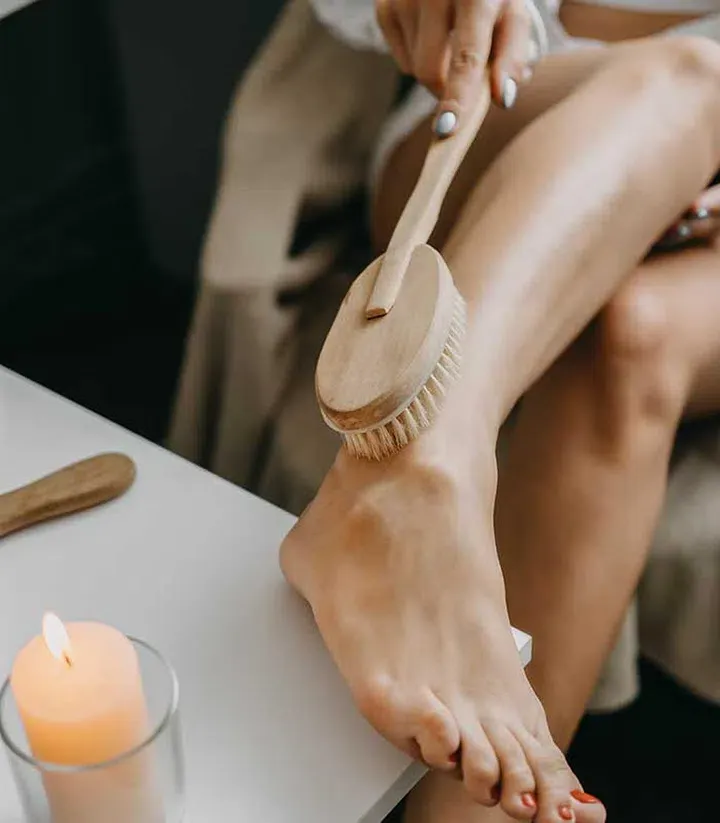
Dry brushing involves using a firm, natural bristle brush on dry skin. The brushing is typically done in upward strokes toward the heart, usually before bathing. Sessions often last just a few minutes and are promoted as an easy daily ritual.
One of the main claims behind dry brushing is lymphatic support. The lymphatic system plays a role in fluid balance and immune function, moving waste products through the body. Supporters of dry brushing suggest that the technique helps stimulate lymph flow, although scientific evidence on this claim is limited.
Dermatologists tend to focus on the exfoliation benefits. Dry brushing can help remove dead skin cells, which may leave skin feeling smoother and looking brighter. This exfoliating effect is similar to other physical exfoliation methods used in skincare routines.
Another reason dry brushing resonates on social media is its simplicity. It requires minimal equipment and fits easily into morning or evening routines. The ritual aspect appeals to users looking for grounding habits that feel intentional and calming.
Some people also report a temporary energizing effect. The sensation of brushing can increase blood flow to the skin, creating a warming or invigorating feeling. This may explain why many incorporate dry brushing into morning routines.
However, experts urge caution. Dry brushing should be done gently to avoid skin irritation, especially for people with sensitive skin, eczema, or psoriasis. Over brushing or using too much pressure can damage the skin barrier.
It is also important to manage expectations. While dry brushing can support exfoliation and promote awareness of the body, it is not a medical treatment. Claims about detoxification or significant lymphatic activation are not strongly supported by clinical research.
The trend reflects a broader shift in wellness culture. Many social media users are drawn to low cost, at home practices that promise balance and routine. Dry brushing fits into this narrative as a visually simple and repeatable habit.
Wellness professionals often recommend pairing dry brushing with proven healthy habits. Staying hydrated, moving regularly, and maintaining a balanced diet are all known to support lymphatic health. Dry brushing may complement these behaviors rather than replace them.
As with many social media driven wellness trends, personal experience varies. Some people enjoy the ritual and how it makes their skin feel. Others may not notice a difference or may find it uncomfortable.
The popularity of dry brushing highlights how wellness content spreads online. Short videos and aesthetic routines can quickly turn niche practices into mainstream habits. This makes it even more important for users to approach trends with curiosity and caution.
In the end, dry brushing is best viewed as a skincare ritual rather than a cure all. When done gently and mindfully, it can be a relaxing part of a self care routine. Understanding its limits helps keep the practice both safe and realistic.



Recent Comments