
Workforce Migration Trends as Professionals Move Within and Outside New York
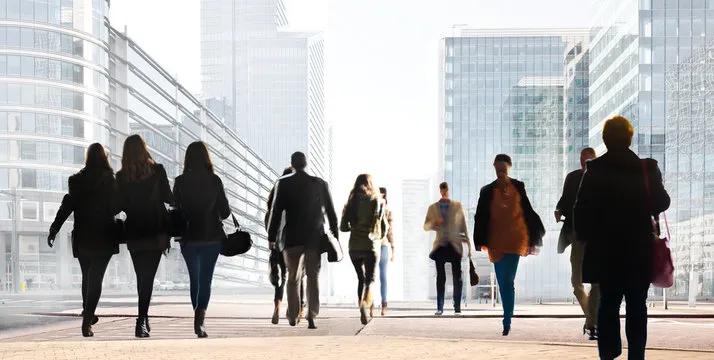
New York’s workforce landscape is shifting as professionals relocate within the city or leave for new opportunities across the country. In 2025, migration trends are shaped by hybrid work culture, affordability challenges, lifestyle preferences and the rise of decentralized job markets. While New York remains a global magnet for talent, the definition of where and how people choose to work is evolving. These movements reveal new patterns in business growth, neighborhood development and the city’s long term economic outlook. For employers, entrepreneurs and young workers, understanding these migration flows offers key insight into the future of New York’s labor ecosystem.
Hybrid Work Culture Pushes Professionals Toward Outer Boroughs and Suburban Areas
The shift to flexible work schedules has reduced the need for daily commuting, allowing professionals to live farther from Manhattan’s dense business districts. Many workers are choosing neighborhoods in Brooklyn, Queens and the Bronx, where housing is more affordable and communities offer stronger cultural character.
Popular choices include:
-
Astoria and Long Island City for quick access to Manhattan
-
Bushwick and Crown Heights for creative lifestyles
-
Riverdale and Pelham Bay for family friendly environments
-
Jersey City and Hoboken for suburban comfort with urban access
These moves reshape spending patterns, retail demand and local business growth as remote and hybrid workers anchor their lifestyles in new parts of the region.
Rising Costs Encourage Relocation to Other States With Lower Living Expenses
New York’s high cost of living continues to push some professionals toward more affordable states. Young workers and mid career professionals, especially those in tech, design, media and financial services, are relocating to cities with lower housing prices and stronger remote work infrastructure.
Top outbound destinations include:
-
Florida for tax benefits and warm climate
-
Texas for booming job markets and lower expenses
-
North Carolina and Georgia for balanced urban growth
-
Pennsylvania and Connecticut for suburban affordability
-
Colorado for lifestyle driven relocation
These moves do not necessarily signal a decline in New York’s influence. Instead, they reflect a new era where professionals prioritize lifestyle, financial stability and remote accessibility over proximity to corporate headquarters.
Talent Still Flows Into New York for Culture, Career Growth and Global Connectivity
Despite outbound trends, New York continues to attract ambitious professionals from the US and abroad. The city’s unique blend of culture, innovation, diversity and industry opportunities remains a major draw.
New arrivals are driven by:
-
World class career prospects in finance, media, tech and fashion
-
Networking opportunities and entrepreneurial ecosystems
-
Access to global companies, investors and creative communities
-
Vibrant lifestyle, food culture and nightlife
-
Academic institutions and professional development hubs
Gen Z and early career workers, in particular, view New York as a launchpad for personal and professional growth. This incoming talent helps balance the workforce and keeps the city competitive.
Tech and Creative Professionals Form New Talent Clusters in Emerging Neighborhoods
Remote flexibility allows workers to choose neighborhoods that reflect their creative and professional identities. This shift is forming new talent clusters across the city.
Examples include:
-
Williamsburg and DUMBO for tech and design communities
-
Bushwick for artists, creators and digital freelancers
-
Harlem and Washington Heights for rising entrepreneurs
-
Long Island City for mixed tech, media and startup teams
These clusters stimulate local economies, boost small business growth and create vibrant cultural scenes that attract even more professionals.
Corporate Relocation and Expansion Influence Workforce Movement Patterns
Some companies are downsizing Manhattan offices or opening satellite hubs in outer boroughs and nearby states. These corporate decisions influence where employees choose to live and work.
Trends include:
-
Companies opening hybrid offices in Brooklyn or Queens
-
Financial firms expanding operations in New Jersey and Connecticut
-
Tech companies adopting fully remote or flexible HQ models
-
Startups building distributed teams across multiple states
This decentralization shifts economic activity across the region and changes the traditional definition of New York’s workforce map.
Quality of Life, Green Spaces and Community Culture Guide Relocation Choices
Workforce migration is no longer driven solely by job location. Professionals now prioritize mental well being, outdoor access and community engagement.
Key lifestyle factors include:
-
Access to parks, waterfronts and walking paths
-
Local cafés, gyms and cultural venues
-
Family friendly neighborhoods and safer streets
-
Shorter commutes and flexible work hours
-
Strong community identity and social support networks
These preferences highlight a broader cultural shift where workers value balance and personal well being as much as career advancement.
Conclusion
Workforce migration in and out of New York reflects a dynamic shift in how professionals choose to live and work. Hybrid models encourage movement across boroughs, rising costs push some workers to more affordable states and strong cultural appeal continues to draw new talent into the city. As tech clusters grow, neighborhoods evolve and corporate strategies change, New York’s workforce becomes more flexible, diverse and geographically distributed. These migration trends will shape the city’s economic future, redefine local business ecosystems and influence how companies attract and retain talent in a rapidly changing world.


Recent Comments