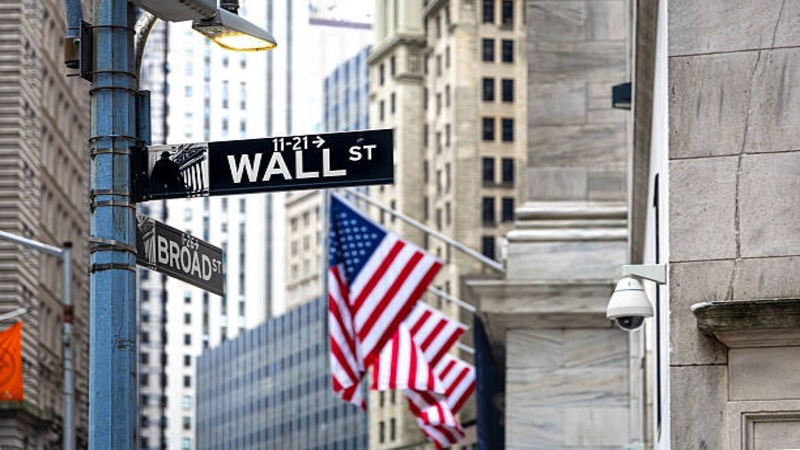
Wall Street firms woke up to an unexpected shift in corporate culture when their summer interns announced they were forming a union. Their number one demand was not higher pay, shorter hours or better coffee. Instead, they wanted guaranteed daily screen time dedicated to meme consumption. The announcement shocked senior executives who were still trying to understand why these interns keep referring to themselves as the future of financial chaos.
The interns claim that memes are essential for maintaining their productivity, creativity and emotional stability during market turbulence. They argue that graphs, charts and endless spreadsheets mean nothing without the occasional morale boosting meme that captures the true heart of modern finance. While some executives laughed at the idea, the interns remained serious. They insisted that their generation operates on meme energy and that removing it is the same as removing oxygen from the office.
Interns push for a cultural reset
At the center of this movement is the belief that workplace culture needs a complete overhaul. The new intern union argues that the traditional environment no longer reflects how real financial thinking happens. They believe the companies need to move beyond outdated habits and embrace the reality that memes are part of their cognitive workflow. According to them, a carefully curated meme feed is just as important as market data and economic reports.
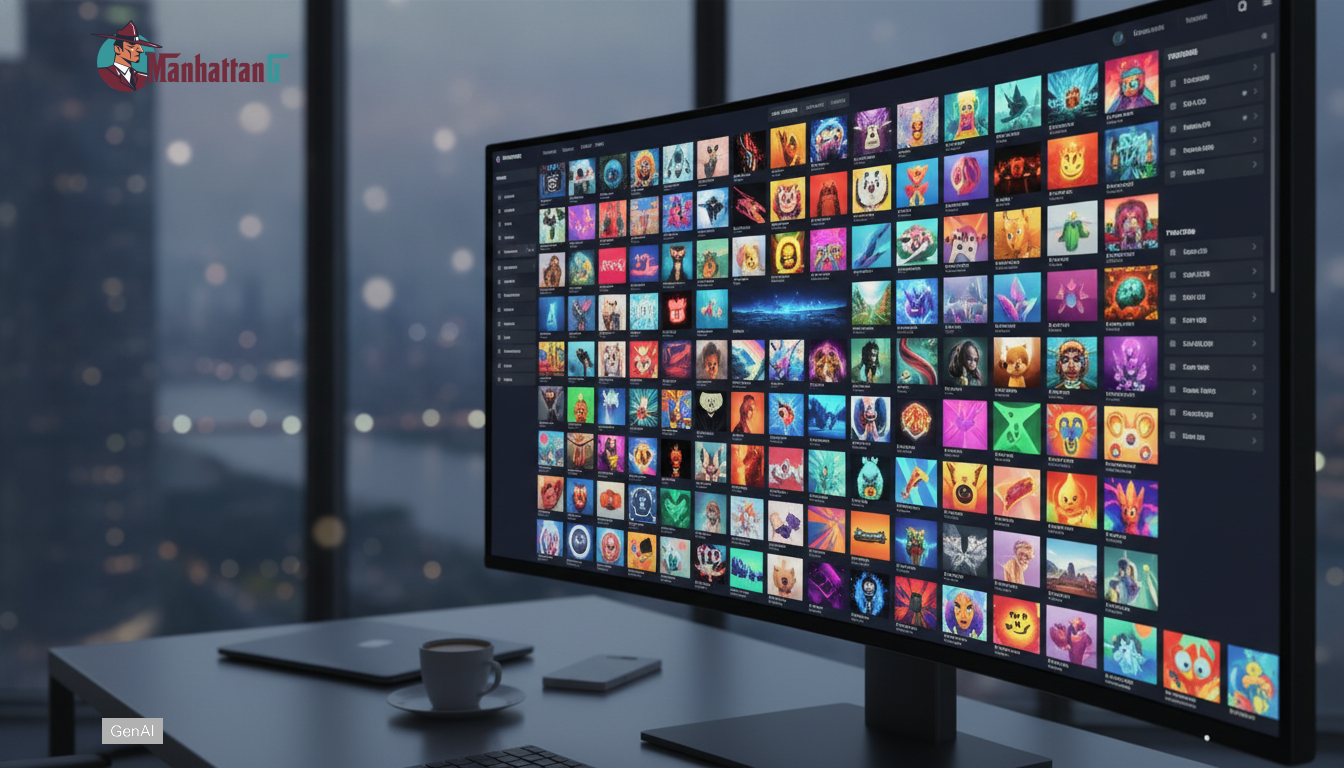
Some interns explained that memes allow them to process market panic faster than standard training manuals. They also insist that shared meme viewing strengthens team bonding. When everyone is laughing at the same chart shaped like a falling snowman, the office becomes more unified. Their proposal includes scheduled meme breaks, dedicated monitors for meme viewing and a weekly meme analysis meeting to track what they call cultural sentiment indicators.
Executives struggle to respond
Senior management is unsure how to handle the situation. Some executives wonder if this is a harmless trend or the beginning of a new era where corporate culture revolves around internet humor. Others fear that giving in might encourage even more unconventional demands. A few leaders attempted to negotiate by offering extended lunch breaks, but the interns rejected it, saying that memes are not optional entertainment but a strategic resource.
The confusion grew when several departments admitted that memes already circulate widely in private group chats. It became clear that the interns were not introducing memes to Wall Street but simply formalizing what employees had been doing secretly for years. This realization made executives pause, unsure whether the interns were joking, brilliant or both at the same time.
The internet reacts to the union movement
As expected, social media instantly turned the intern union into a trending topic. Users on TikTok and Instagram posted videos reenacting corporate battles over meme rights. Comments poured in praising the interns for being bold enough to challenge the seriousness of Wall Street with chaotic humor. Some laughed at the idea that a financial district known for power suits and billion dollar deals might now negotiate meme screen time.
Financial influencers began analyzing the situation as if it were a major economic event. They joked about meme inflation, cultural volatility and the rising value of comedic assets. Meanwhile, the interns gained thousands of online supporters who believed that their movement reflected the mindset of a generation that grew up communicating through humor instead of rigid formality. The internet treated the union like a comedic revolution in real time.
The future of corporate meme rights
With negotiations still ongoing, experts are speculating about what this movement could mean for the future of workplace culture. If the interns succeed, companies may introduce structured meme breaks, official meme sharing channels and perhaps even training modules on how to interpret humor based market sentiment. Some managers fear productivity could drop, while others argue that morale might actually improve.
For many employees, the union has already opened up conversations about modernizing the workplace. People are questioning whether traditional corporate rules still make sense in a world where communication is fast, visual and often humorous. The intern union might be small, but it has pushed an entire industry to rethink how culture and creativity operate inside the office. Whether or not the demands are met, the movement has made a lasting impact.
Conclusion
The Wall Street intern union has introduced a hilarious yet meaningful challenge to traditional corporate culture. Their push for dedicated meme screen time blends humor with a genuine desire for modern workplace practices. No matter how the negotiations end, they have already changed the conversation and shown that even the most serious environments can benefit from a dose of meme powered energy.
Recent Comments