
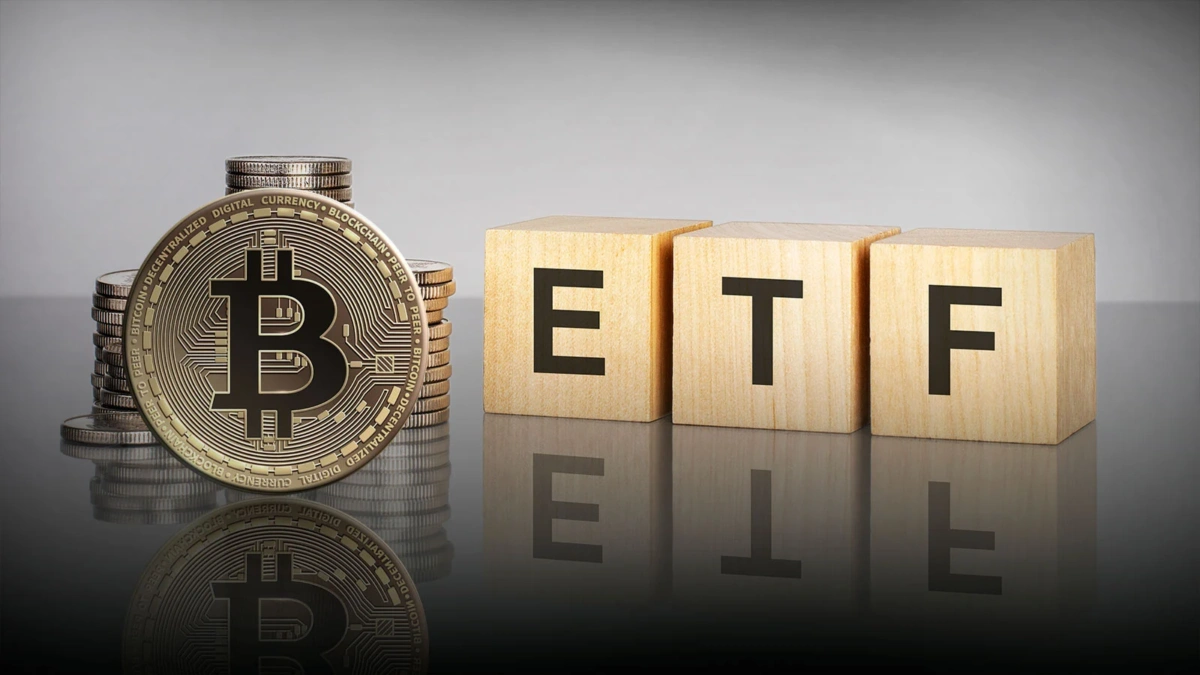
Bitcoin exchange traded funds are reshaping the way institutional and retail investors gain exposure to digital assets, marking a major shift in the cryptocurrency investment landscape. These financial products allow investors to track the price of Bitcoin without directly holding the asset, offering a more regulated and accessible entry point into the crypto market. As a result, Bitcoin ETFs are becoming a key driver of mainstream adoption.
One of the main advantages of Bitcoin ETFs is increased accessibility. Traditional investors who may have been hesitant to engage with cryptocurrency exchanges or digital wallets can now invest through familiar financial instruments. This has broadened participation and attracted a wider range of institutional players including asset managers, hedge funds, and pension funds.
Institutional investment in Bitcoin has been steadily increasing as large financial organizations recognize its potential as a diversified asset class. Many institutions view Bitcoin as a hedge against inflation and currency depreciation, particularly in uncertain macroeconomic environments. This growing interest has contributed to improved market liquidity and greater price stability over time.
Regulated financial frameworks surrounding Bitcoin ETFs have also played an important role in building investor confidence. Oversight from financial authorities ensures greater transparency, custody protection, and compliance standards, reducing some of the risks traditionally associated with cryptocurrency investments. This regulatory structure has helped bridge the gap between traditional finance and the digital asset ecosystem.
The introduction of Bitcoin ETFs has also influenced market behavior by increasing demand and linking Bitcoin more closely with traditional financial markets. Price movements are now more responsive to institutional inflows and macroeconomic indicators, reflecting a deeper integration of Bitcoin into the global financial system.
Despite these developments, Bitcoin remains a volatile asset, and institutional participation does not eliminate market risks. However, the growing presence of regulated investment products is contributing to a more mature and structured market environment, encouraging long term participation rather than short term speculation.
As Bitcoin ETFs continue to expand globally, they are expected to play a central role in shaping the future of cryptocurrency investment and strengthening the connection between digital assets and traditional financial systems.


Recent Comments