
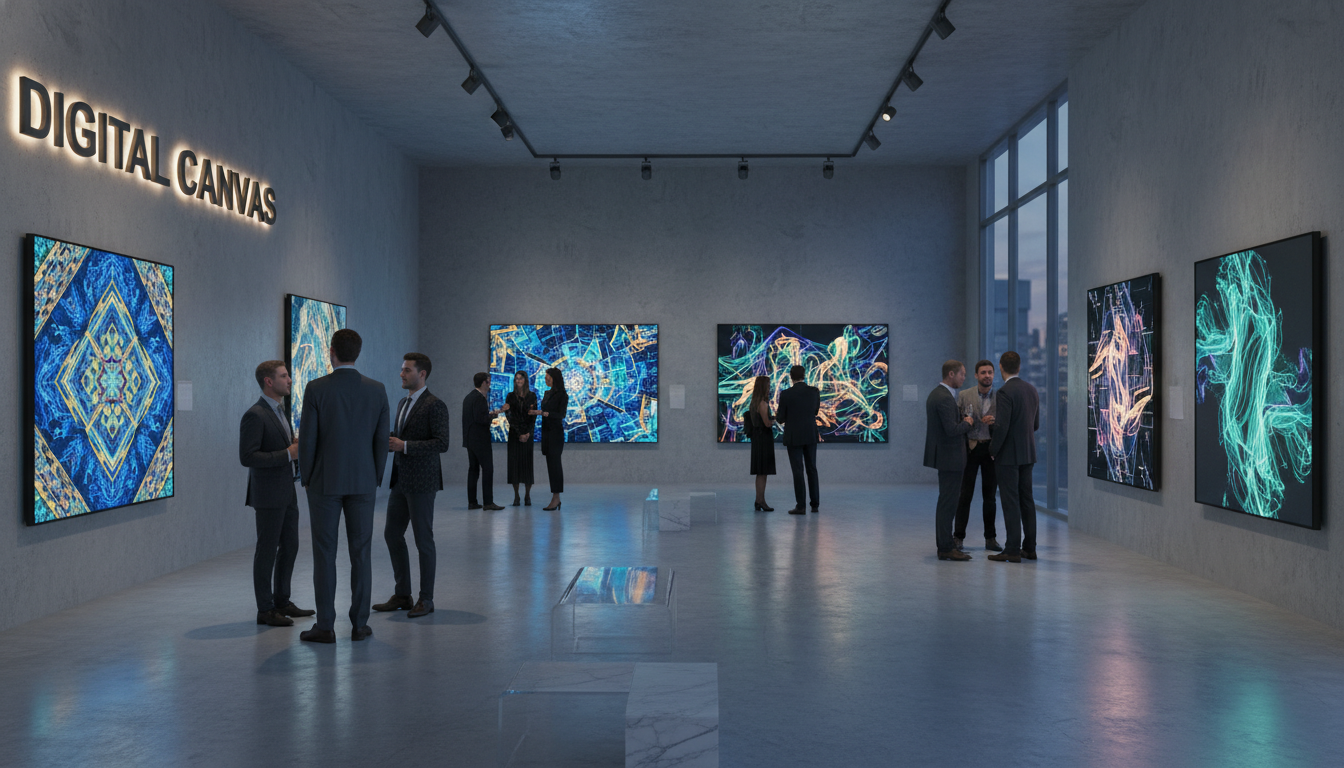
NFT Sales See Global Increase
Trading desks tracking tokenized art say momentum strengthened across major venues by late February. Today, dashboards compiled by CryptoSlam and DappRadar show higher 30 day turnover in art focused collections than in January, reflecting faster deal flow rather than single trophy lots. In the middle of that rotation, NFT sales art segment activity has been supported by tighter bid ask spreads and more frequent floor resets on several curated marketplaces. Live order books have also shown more small ticket purchases, a pattern analysts at DappRadar associate with broader participation. An Update from several aggregators indicates sellers are listing in shorter windows, aiming to capture higher liquidity without leaving inventory stale.
Understanding the Art Segment’s Appeal
Collectors have been rotating toward works that carry clearer artistic identity and provenance signals, not pure meme volatility. Today, curators at Sothebys and Christies have continued to highlight onchain editions and artist royalties as differentiators, and that positioning has helped digital assets compete with traditional prints and photography. For context on how digital finance narratives are intersecting with broader markets, readers also followed Shipping Losses, Fuel Shock, and the Digital Payment Shift: Could RMBT Enter Global Trade Settlement? in parallel as they review category shifts. A Live comparison of category pages across marketplaces shows that art buyers are spending more time on creator histories and prior sales, not just trending rankings. An Update from several galleries notes more cross platform verification requests before purchases finalize.
Key Market Drivers for NFT Growth
Liquidity has been helped by a clearer split between speculation and collecting, and that distinction is shaping pricing behavior. Traders cite stronger conversion on curated drops, while long term holders are treating certain releases as NFT investments with planned holding periods. A Live regulatory angle is also entering valuations as lawmakers debate frameworks that affect marketplace responsibilities, and The CLARITY Act vote and its NFT safe harbor has become a frequent reference in deal notes. Today, analysts watching Ethereum fee conditions note that smoother transaction execution reduces abandoned checkouts and supports higher completion rates. An Update from market makers shows tighter quotes for verified collections and wider spreads for unverified art.
Challenges and Opportunities Ahead
Higher volumes do not remove structural risks, and compliance, fraud, and authenticity remain central to the art market conversation. Enforcement bulletins and user reports have kept attention on phishing and wallet draining, and platforms are responding with stronger signing warnings and delayed withdrawals. Today, investigative threads on NFT thefts rise as criminals refine scam playbooks have circulated among collectors who want clearer security checklists before bidding, including February 2025 cases flagged in community alerts. In this environment, listings that include robust provenance records are attracting faster offers than similar works without documentation. Live moderation queues are also growing on some venues as they filter lookalike collections, and an Update from several marketplaces shows heavier reliance on creator verification to reduce counterfeits.
The Future of NFTs in the Art Industry
Near term direction is likely to be set by how platforms standardize attribution, royalties, and cross chain discovery rather than by headline grabbing one off auctions. Today, some galleries are coordinating timed releases with physical exhibitions, seeking price discovery that links onchain editions to offline audiences. That model is drawing interest from collectors who treat digital assets as part of a broader portfolio, yet still demand curatorial trust and stable metadata. A Live signal to watch is whether marketplaces expand transparent reporting, including wash trade screening and clearer category definitions, which would help comparisons across venues. An Update from curators suggests more emphasis on artist communication and long tail discovery, supporting sustained demand beyond short hype cycles.


Recent Comments