

Non-fungible Tokens: What They Are and How Pricing Works
Non-fungible tokens are unique digital records on a blockchain. According to available reports, in 2026 their pricing appears to be driven less by celebrity promotion and more by verification practices, metadata quality, and marketplace policy. When collections migrate contracts or fix attributes, floors can reprice because traders often separate creator reputation from token provenance. Royalty enforcement disclosures can influence valuations as participants model expected cash flows rather than treating every token as purely cultural art. A practical rule for 2026 is that buyers may reward clearer terms: immutable metadata where possible, transparent change permissions, and verifiable provenance signals. The near-term market is reportedly shaped by better auditing, stricter listing requirements, and more frequent identity checks for higher value trades, although requirements vary by venue and jurisdiction.
Market Trends in 2026
Liquidity appears to be concentrating around fewer marketplaces and fewer high-recognition collections, changing how bids are set across comparable traits, though the extent of this varies by ecosystem and chain. A common integrity check cited by analysts is comparing on-chain transfers with reported marketplace volume to flag potential wash trading patterns. In 2026, several platforms reportedly publish policy notes and tighten enforcement around manipulated activity, which may narrow spreads for vetted collections while increasing discounts for thin, unaudited assets. Broader tech coverage also reportedly influences expectations around identity and ownership records as consumer protection debates expand beyond crypto-native audiences.
Use Cases Beyond Collectibles
Utility-centered designs are gaining share in parts of the market because some buyers want ongoing access, not only resale optionality. According to project documentation, event tickets, membership passes, and in-game items are increasingly structured with clearer transfer rules to reduce fraud while preserving secondary markets. In 2026, brands are reportedly testing claim verification tied to custody history, which can make “who held it” a measurable component of value. In digital assets portfolios, this has contributed to a split between collectibles held for cultural value and service tokens held for benefits, which can affect holding periods and volatility depending on the token design. Institutional pilots commonly emphasize custody, permissions, and settlement rather than open minting.
Blockchain Infrastructure, Provenance, and Security
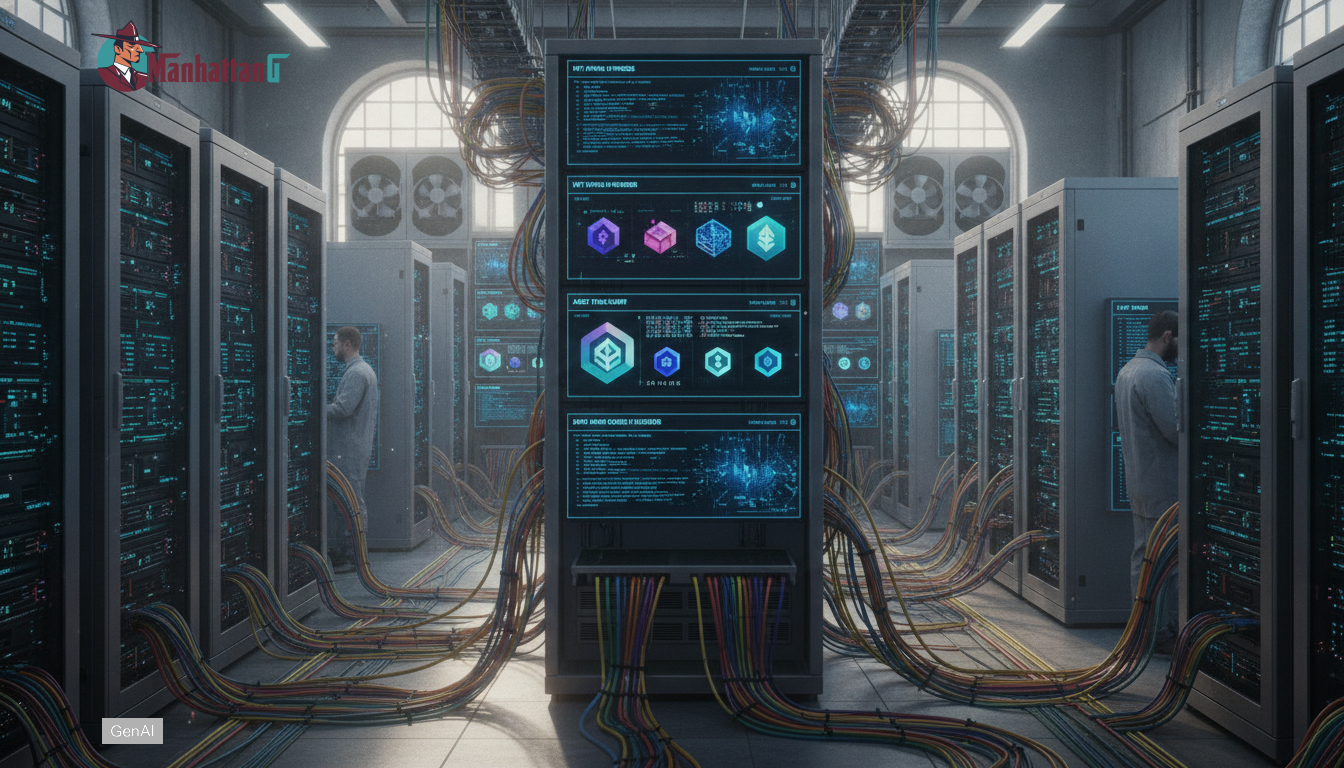
Infrastructure choices shape user experience because fees, finality, and indexing reliability determine whether ownership records feel dependable. Ethereum standards remain influential, but many creators evaluate alternative networks based on wallet support and marketplace integrations. Blockchain technology underpins provenance checks, yet according to available reports, provenance can fail if off-chain media links break or if metadata is mutable without disclosure. In 2026, operators are increasingly reported to respond with stronger content addressing, pinned storage strategies, and clearer contract-level permissions defining who can change attributes and when. Security remains a persistent risk because approvals, compromised keys, and phishing are widely cited as drivers of losses.
Regulatory and Adoption Risks
Near-term growth is more likely to come from better product design and clearer disclosures than from another speculative cycle, according to available reports. A major operational challenge is aligning expectations among creators, marketplaces, and buyers over royalties, licensing rights, and what ownership actually conveys. In 2026, the market faces pressure from regulation focused on money laundering controls and consumer transparency, which can raise onboarding friction but may improve long-run credibility for compliant venues. Enforcement activity in adjacent sectors is watched closely because it can signal higher compliance expectations.


Recent Comments