
NFT marketplaces 2026: what is changing
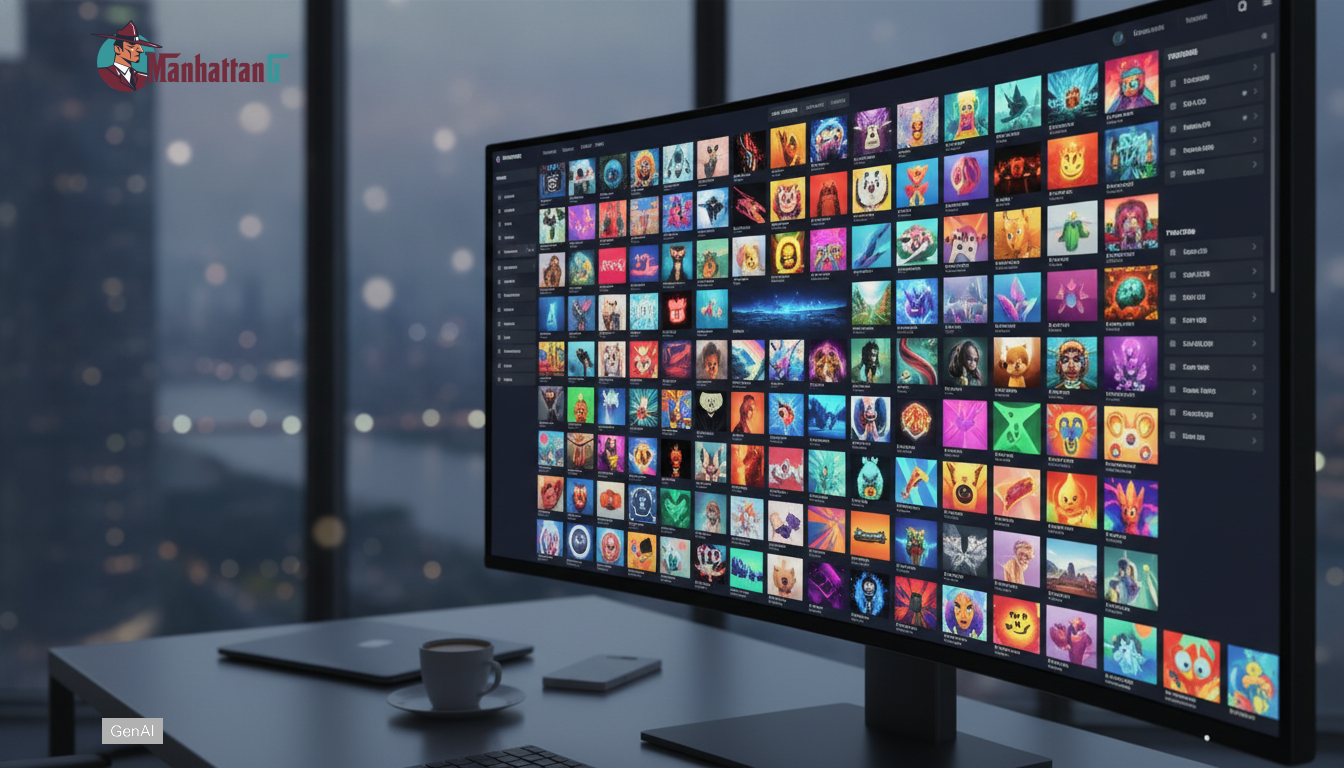
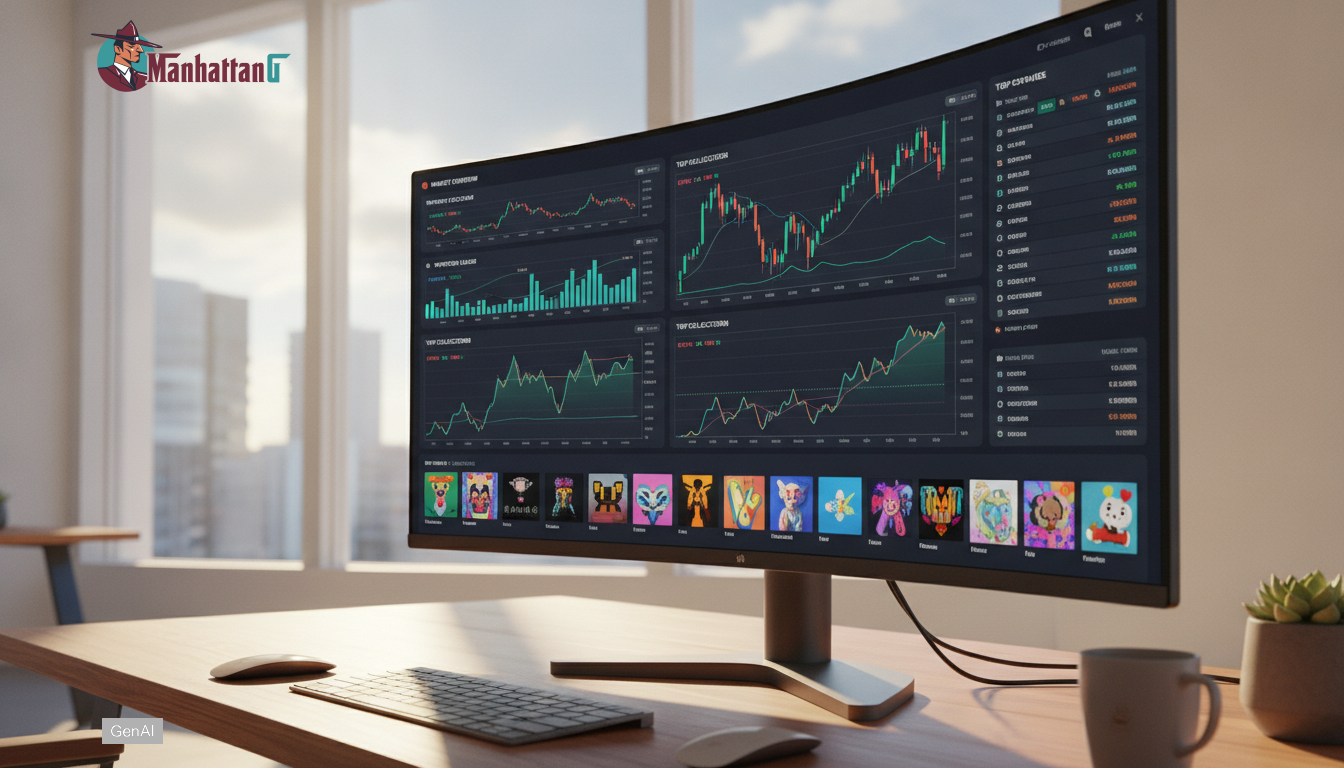
In 2026, NFT platforms are being judged by execution, not just promises. According to available reports, liquidity seems to concentrate around venues that verify provenance quickly. They reduce failed transactions and highlight collection-level risk alongside floor pricing. Some observers describe the market as splitting into two lanes. High-throughput general marketplaces and vertical platforms are tuned for gaming assets, music rights, or brand licensing. Operators are narrowing supported chains to improve reliability while routing orders across networks when fees spike. The strongest products feel like trading terminals with creator tools built in. Weaker ones might fade as users seek consistency, security controls, and clearer fee disclosures.
Security, compliance, and trust signals in 2026
Security incidents and macro volatility are reshaping how platforms design trust and custody. After the Flooring Protocol incident, white hats reportedly rescued $500K in NFTs, as detailed by nftevening.com. Many marketplaces are said to have expanded pre-trade checks, approval warnings, and rapid takedown workflows for compromised listings. Editorial teams are tightening promotion rules, echoing broader moderation debates covered in londonews.com. Regional compliance is another differentiator. Platforms and regulators are increasingly discussing clearer token access rules and geo controls. Across NFT marketplaces in 2026, many describe the baseline as stronger account recovery, signed listing attestations, and clearer contract risk transparency.
How to buy and sell NFTs in 2026
Power users treat each purchase as a workflow rather than a click. Collectors reportedly check contract permissions, royalty enforcement behavior, and marketplace-specific escrow logic before placing bids. Many NFT trading venues now provide risk panels, but the most reliable verification often comes from reviewing on-chain contract history and cross-checking metadata integrity. Sellers respond by maintaining consistent collection signatures and publishing licensing terms. They stage releases to avoid thin liquidity. For demand signals in 2026, manhattang.com tracks how distribution partnerships can support pockets of activity. To sell NFTs efficiently, traders often time listings to chain fee cycles and avoid blanket approvals.
Minting innovations: faster UX and safer permissions
Minting is getting faster and more modular. Creators choose between platform-hosted flows and direct contract deployments. In NFT marketplaces 2026, to mint NFTs at scale, many services experiment with account abstraction-style UX, delegated signing, and session keys. These can reduce friction without exposing full wallet control. Gasless or sponsored mints are more common, and reputable platforms tend to disclose who pays, what is being signed, and how long permissions persist. Automated media validation is run by several marketplaces to catch mismatched metadata, broken reveals, or unauthorized derivatives before they reach search pages. Volatility still affects mint economics. nftevening.com notes BTC and ETH saw their worst weekly drop since the FTX collapse, prompting teams to hedge fee exposure and pace drops. Platforms that succeed tend to make permissions understandable.
Future outlook for NFT marketplaces 2026
The next phase is shaped by consolidation, compliance tooling, and better interoperability between marketplaces and wallets. Platforms that survive may offer stronger identity signals for brands and rights holders, alongside optional privacy-preserving proofs for users who want reputation without doxxing. Some analysts expect platforms to compete more on dispute resolution, with clearer processes for stolen asset claims, impersonation, and contested licensing. Product roadmaps increasingly center on data portability so creators can move audiences and analytics between venues without losing history. This need also appears in adjacent growth coverage like manhattang.com. The practical outcome may be fewer gimmicks and more infrastructure, with trading, creation, and rights management converging. The future outlook for NFT marketplaces 2026 hinges on whether these systems make cross-venue ownership usable.
Recent Comments