
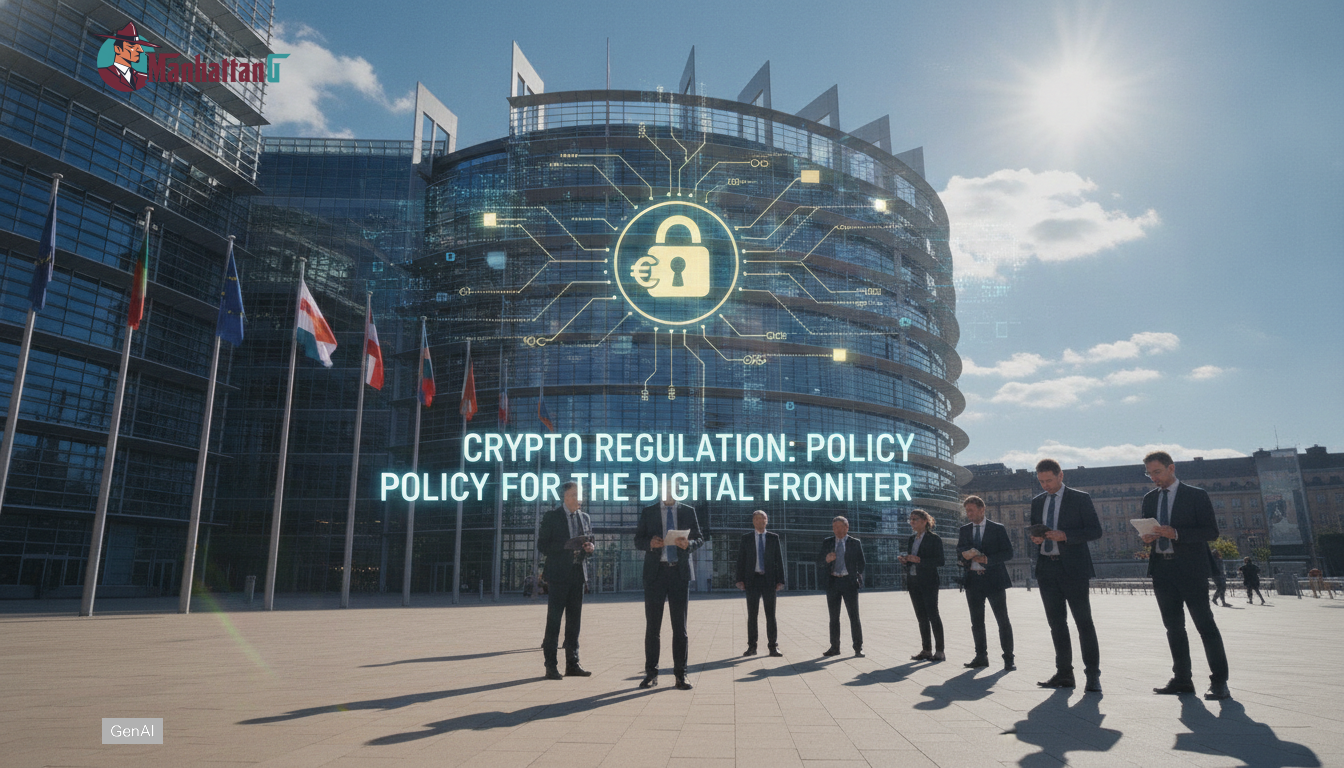
NFT regulation in the EU: what lawmakers are proposing
NFTs are climbing the EU agenda with lawmakers pushing for clarity on how they fit into the Markets in Crypto-Assets Regulation (MiCA). Phased in during 2024 and 2025, some NFTs might act more like regulated instruments than collectibles, especially when fractionalized or issued in large numbers. The debate is around definitions, disclosure duties, and when an authorization might be needed if an issuance looks like a public offering. ESMA officials often point to investor protection and market integrity in their communications.
Impact on marketplaces and creators
Marketplaces and creators need to plan for compliance. Classification dictates which rules apply and what services need authorization. Intensified regulatory scrutiny may see platforms tighten listing standards, limit promotional tactics, and enforce stricter checks, a pattern seen in broad EU crypto oversight and MiCA-related preparations as reported by crypto news. Teams are budgeting for clearer documentation, standardized warnings, and stronger controls against market manipulation. These changes aim to reshape workflows in NFT marketplaces.
EU vs US and UK approaches to NFT regulation
The EU seeks harmonization, applying one rulebook across 27 states. Contrast this with the US, where agencies assert overlapping jurisdiction through actions and court cases, resulting in case-by-case outcomes. The UK focuses on authorization and marketing restrictions for crypto promotions, spilling into NFT campaigns with financial features. Politicians can speed up oversight debates when consumer harm is raised, reflecting a dynamic regulatory landscape.
Challenges in implementation: definitions and enforcement
Implementation hinges on clear definitions, as a single token can look like art or an investment, depending on context. Supervisors face challenges mapping decentralized interfaces to accountable entities, a point often raised in DeFi risk discussions. If compliance costs rise too quickly, smaller creators might shift to less regulated channels. Market abuse enforcement is tricky when trading can be routed through various wallets. Platforms may boost surveillance, identity checks, and recordkeeping in response.
The road ahead for NFTs under EU oversight
The market may soon divide clearly between cultural collectibles and financial products. European regulators stress that economic reality overrides labels, limiting issuers’ ability to claim exemptions through branding. For enduring presence in Europe, firms consider compliance a product feature—transparent issuer identities, audit trails, and standardized disclosures support use cases like ticketing and licensing. EU crypto policy will likely influence design decisions in minting, royalties, and trading.



Recent Comments