
Senate Delay Shifts the NFT Regulation Timeline
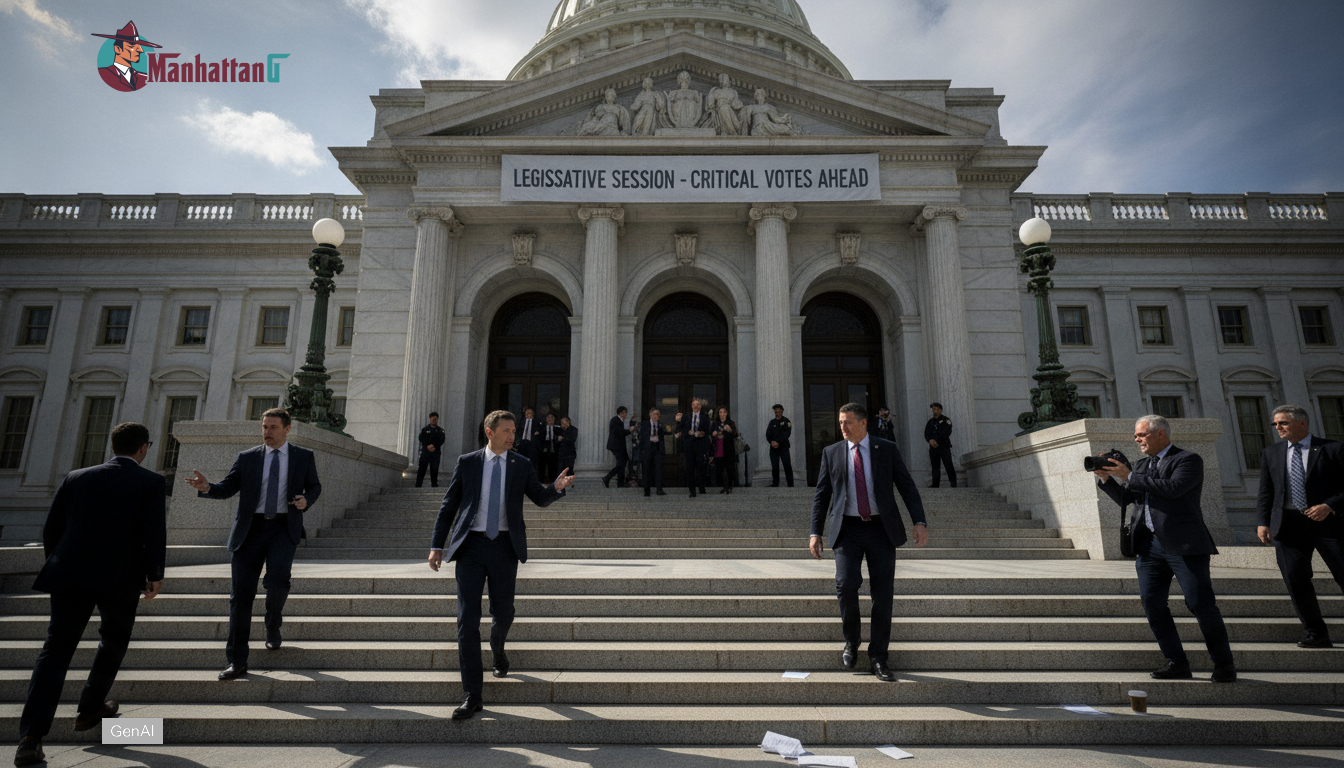
The Senate did not bring the CLARITY Act to a floor vote by a late July 2026 target. Some market participants had been watching this date. The timeline moved back into the spotlight. Official scheduling can change quickly. It may not be confirmed until leadership acts. The missed window is a signal that timing remains unsettled rather than a fixed deadline. Attention has shifted to August 7 as a possible next checkpoint. This ties to scheduling decisions and any amendments that may appear in public notices. The delay matters because the bill is generally discussed as a market-structure framework for digital-asset oversight. It is not a narrow enforcement action. This broader scope can influence compliance planning for NFT regulation.
Why the CLARITY Act Matters for NFT Regulation
The most immediate consequence is not an outright ban but definitional uncertainty. NFT legislation often turns on whether tokens are treated as collectibles, commodities, or securities. Small edits to jurisdictional triggers can reshape compliance expectations for marketplaces, issuers, and creators. As a parallel indicator of how quickly conditions can shift, the market data described in Binance monthly outflows and ETH withdrawal data highlights liquidity sensitivity during uncertainty. For readers comparing how governance debates frame enforceability in other sectors, Holy See urges AI governance rules with enforcement shows similar emphasis on rules that can be applied and audited, even when timetables shift.
Community and Marketplace Reactions to NFT Regulation
Industry reaction has centered on process rather than price. Creators, marketplaces, and legal teams are monitoring bill text, committee statements, and scheduling signals. Congressional drafts can change materially in the final week before a vote, according to legislative practice and past digital-asset bill cycles. Operators have referenced prior cycles of uncertainty when advising teams to keep disclosures consistent and records exportable, including guidance summarized in NFT regulations: practical guidance for 2024 to 2026. Within the creator economy, a recurring question is whether compliance duties will land primarily on platforms, individual artists, or both, especially where royalties and secondary sales are involved. In parallel, market watchers are also tracking how digital-asset policy debates may influence marketplace sentiment, as discussed in Kevin O’Leary and NFT Rules Reshaping Market Trends, while monitoring how NFT regulation expectations evolve.
What to Watch on August 7 for NFT Regulation
August 7 is viewed by some observers as a high-leverage date. It may fall within a window when leadership could choose to allocate floor time or push debate deeper into the recess cycle. However, that timing is inherently tentative unless confirmed through official Senate scheduling actions. What matters most is whether the CLARITY Act retains a coherent test for asset classification that agencies and courts can apply without contradictory interpretations. For market context on protocol-level planning during policy flux, Vitalik Buterin on lean Ethereum and validator privacy illustrates how builders keep roadmaps moving while external constraints shift. Reports of “public briefings” by legislative staff on digital-asset legislation generally emphasize that late technical edits can be needed to resolve cross-references and definitions. These edits can determine whether compliance is feasible for smaller teams. A follow-on effect could be that major firms pause listings or product launches until direction is clearer, even without new rulemaking.
Practical Compliance Steps Amid NFT Regulation Uncertainty
Investors and operators positioning around a potential August vote window are prioritizing documentation quality, custody resilience, and counterparty risk rather than short-term narratives. A defensible posture is to maintain clear provenance records, contract addresses, and transaction logs that can be produced quickly if an exchange, bank, or auditor asks for them. Allocation and listing decisions are also being filtered through the possibility that new statutory definitions could influence platform policies on listings, royalties, and promotional activity. In this environment, regulatory clarity for NFTs is less about a single headline and more about whether compliance expectations become consistent across major venues. Teams can reduce operational risk by favoring transparent fee structures and keeping tax documentation contemporaneous with trades as the August timetable approaches.



Recent Comments