
Oversight Signals from the BounceBit Exploit
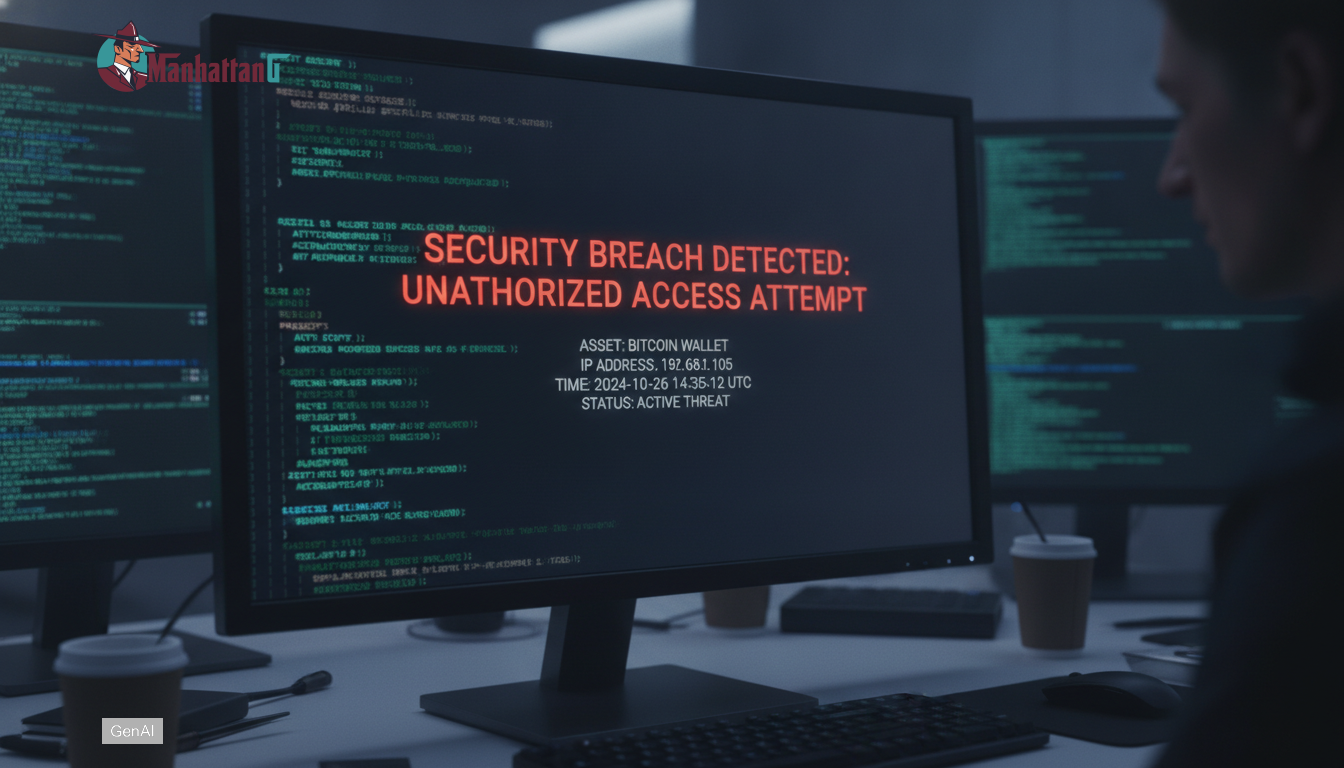
NFT policies face a shake-up when token frameworks collapse. BounceBit reportedly shut down its chain after a flaw exposed around 286M tokens, halting essential marketplace functions. Regulators want to know what disclosures were made, who controlled the admin side, and how the impact was documented. Such incidents could drive faster audits, prompt incident reports, and demand clearer user risk statements. Authentication and session integrity come under the microscope too, especially around jwt token similarities without proper checks. The clear takeaway? Operational continuity is now deeply tied to regulation.
Platform Duties: Disclosure, Custody, and Controls
Shutdowns spark legal queries around service disclosures, custody roles, and whether safety claims stand up. The claim of 286M tokens brings scrutiny over admin actions and third-party control access. Partners question if users were informed about pause or reissuance risks. These issues reflect broader trust dynamics in regulated spaces, where unaddressed gaps can escalate, as demonstrated in Chancellor John Healey faces test as UK borrowing rises. NFT operators must ensure transparency in custody and admin rights, and update changes in plain speak.
Interpreting an Authorization Flaw
Enforcement drills down to control failures: least-privilege access, key management, logging, and replay protection. Authorization flaws sometimes mimic silent issuance paths, impacting NFT-linked products. Regulators may view these as predictable issues, not anomalies. Teams review monitoring alerts and log evidence and ensure timely user notifications. For insights on evolving policy framing, check SEC Crypto Rules: NFT Oversight and Wall Street Access. The Sandbox’s response to exploit, highlighting containment over continuity, is detailed in The Sandbox halts bridges after exploit.
Market Impact: NFTs, Contracts, and Consumer Claims
Linked marketplaces face disputes if a chain halts. Delays in minting or settling can see creators miss payments, buyers claim non-delivery, and partners claw back incentives. The 286M-token figure questions past validity and potential reissuance effects. For insights on risk impact, explore NFT investments: market insights for smarter decisions. Risk committees may tighten standards and demand control proof before integrations resume.
Compliance After an Exploit: Audits, Reporting, Recovery
More than just restarting is needed for credible recovery. Marketplaces and regulators insist on a clear postmortem: root cause, detection timeline, remediation, and verified fixes. Governance changes, admin separation, secret rotation, and improved monitoring are key. Token functionalities affecting access or fees must prompt operators to update terms, risk disclosures, and attest verifiably. For a basic understanding of how utility and ownership claims shape expectations, NFT Guide for Beginners: Value, Utility, and Ownership is a valuable resource. Regulation is likely moving toward showing verifiable controls.



Recent Comments