
NFTs in sports: what teams and fans actually get
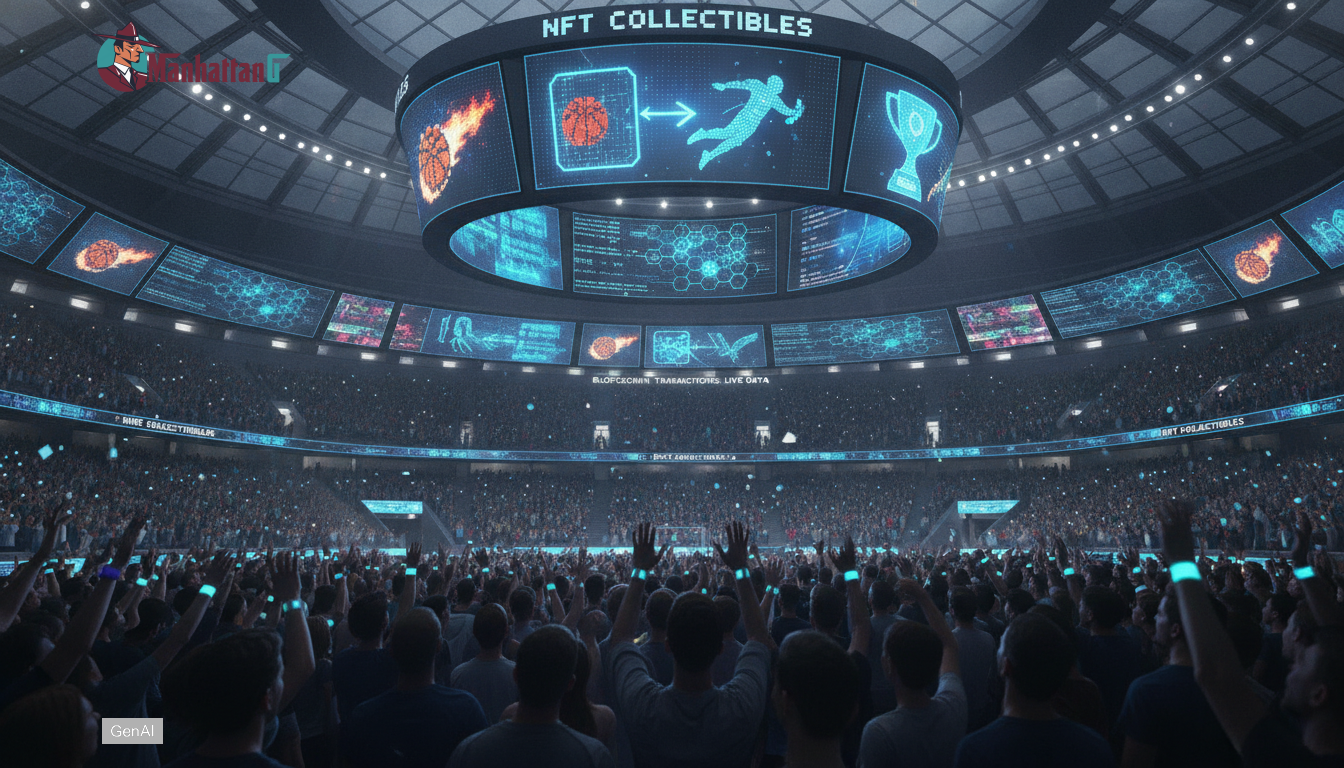
NFTs are marketed as scarce digital collectibles tied to highlights, tickets, and membership perks, but the real question is what buyers receive in writing. Most programs typically grant a limited license to use artwork and access certain benefits, not broad IP ownership, and those terms can change with vendor policies. For teams, the operational load can be significant: customer support, wallet recovery expectations, fraud disputes, and chargebacks. The upside can be measurable engagement and new sponsor inventory, but only if clubs set clear disclosures about transferability, royalties, and benefit expiry. After the widely reported NFT boom in 2021, demand appeared to cool in later periods across parts of the market, so many front offices now treat these launches as product experiments rather than guaranteed revenue lines, and NFTs in sports are often evaluated with that same caution.
Key players and business models for NFTs in sports
League and club strategies vary from pure collectibles to utility-first membership. In the United States, highlight-based collectibles have often been positioned as a mainstream onramp, while European football clubs have tested token-gated access and limited drops. The core risk is that secondary-market pricing is public and can fall quickly, which can turn a marketing initiative into reputational damage. Macro conditions also matter because these products compete with discretionary spending, and a recent reminder of consumer and policy pressure appears in UK borrowing surge deepens pressure ahead of Budget, which helps illustrate why finance teams may scrutinize speculative categories more tightly during uncertain cycles.
Blockchain, custody, and regulation in sports NFTs
Infrastructure choices decide whether a sports NFT acts like a durable credential or a fragile asset dependent on a platform. Public blockchains can provide transparent ownership records, but they do not guarantee consumer-friendly recovery if a wallet is lost or compromised. That gap matters because many fans may arrive without crypto experience, and support failures can become public controversies for clubs. For a view on how oversight is evolving for tokenized instruments, see SEC Grants Five-Year Exemption for Onchain Trading of Tokenized U.S. Stocks. Regulation is described as tightening in multiple jurisdictions, particularly around custody, marketing claims, and where tokens trade, though the pace and scope vary by regulator. For readers who need a baseline on risks and mechanics, NFT Beginner’s Guide: Pros and Cons for 2026 also breaks down common pitfalls.
Revenue potential and pricing realities for NFTs in sports
According to available reports, revenue upside depends less on splashy mint volumes and more on repeatable products that do not alienate core supporters. Stronger cases tie sports NFTs to verifiable benefits such as priority ticket access, hospitality upgrades, or authenticated memorabilia provenance, where the token functions as a pass rather than an investment pitch. Pricing should reflect two exposures: collectible demand and platform or chain costs, including fees and the risk of a vendor shutting down. Market data supports caution, and Q3 sales drop: NFT Volume Slides 60% Quarter-on-Quarter reports a 60% quarter-on-quarter volume slide, underscoring how quickly liquidity can dry up and making resale expectations less reliable. The industry has experienced periods of contraction in trading activity.
What comes next for NFTs in sports programs
The next phase is likely to look less like standalone drops and more like embedded digital identity across ticketing, loyalty, and commerce. Clubs that persist are shifting toward interoperable accounts and clearer disclosures about what buyers receive, including transfer rules, royalties, and the duration of benefits. Teams are also learning to separate fandom utility from investment language to reduce consumer confusion and legal exposure. More policy clarity is expected to shape vendor selection, marketing copy, and marketplace choices; NFT Regulation: Senate CLARITY Act Nears Vote is one reference point for where U.S. rules may head. If programs focus on tangible value and support, NFTs can remain a useful engagement tool even when hype fades.

Recent Comments