
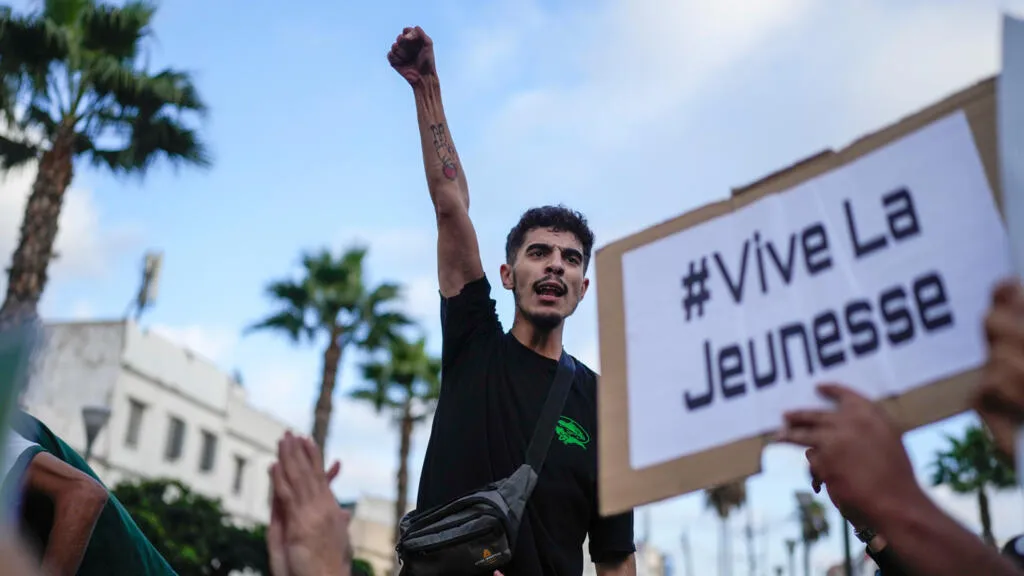
Africa’s Gen Z unrest shows ‘generational divide’ between people and politicians
A wave of youth driven unrest across parts of Africa is highlighting a widening generational divide between Gen Z and long standing political leadership. Young people across several countries are voicing frustration over economic hardship, limited job opportunities and a lack of political representation. Their calls for change reflect shifting expectations in a region where digital natives are becoming a powerful social force.
Gen Z communities are using social platforms to organize, share information and amplify concerns that older political structures have struggled to address. Many young people say they feel disconnected from leadership that does not understand the realities of modern economic pressures. Rising living costs, unemployment and limited access to digital infrastructure continue to deepen frustration among new voters and first time workers.
Analysts note that the unrest is not driven by a single issue but rather a buildup of long term dissatisfaction. Gen Z audiences expect transparent governance, faster economic reforms and more investment in technology driven industries. Political systems that rely heavily on traditional communication styles often struggle to engage a generation that shapes conversations online. This disconnect has made it difficult for leaders to rebuild trust.
A key factor behind the divide is the rapid pace of cultural and technological change. Gen Z Africans are immersed in global trends, online education and digital entrepreneurship. They compare their opportunities with peers worldwide and expect similar access. When local conditions fall short, frustration grows quickly and spreads through social networks. This has transformed political expression into a highly visible and immediate digital movement.
Governments across the region are being urged to respond with meaningful dialogue rather than outdated messaging. Youth representatives have emphasized that they want inclusion in decision making and clearer economic pathways. Many believe that long term stability requires stronger collaboration between generations. Without this engagement, experts warn that tensions will continue to rise as expectations and realities drift further apart.
Several leaders have recently announced new initiatives focused on job creation, startup funding and digital skills training. These efforts aim to connect more closely with young citizens and address practical concerns. However, critics say progress must accelerate to match the speed of demographic change. Africa’s population is one of the youngest in the world, and Gen Z will shape political and economic outcomes for decades.
Social scientists argue that the current unrest marks a turning point in youth political identity. Gen Z is more outspoken, more connected and more willing to challenge systems that they believe no longer serve their interests. The shift reflects a demand for modern governance that aligns with global standards and future focused development.
As governments evaluate their next steps, the message from younger citizens remains clear. They want leadership that listens, adapts and reflects the aspirations of a digitally empowered generation. The emerging divide presents challenges, but also an opportunity for new forms of cooperation that can strengthen political stability across the continent.



Recent Comments