
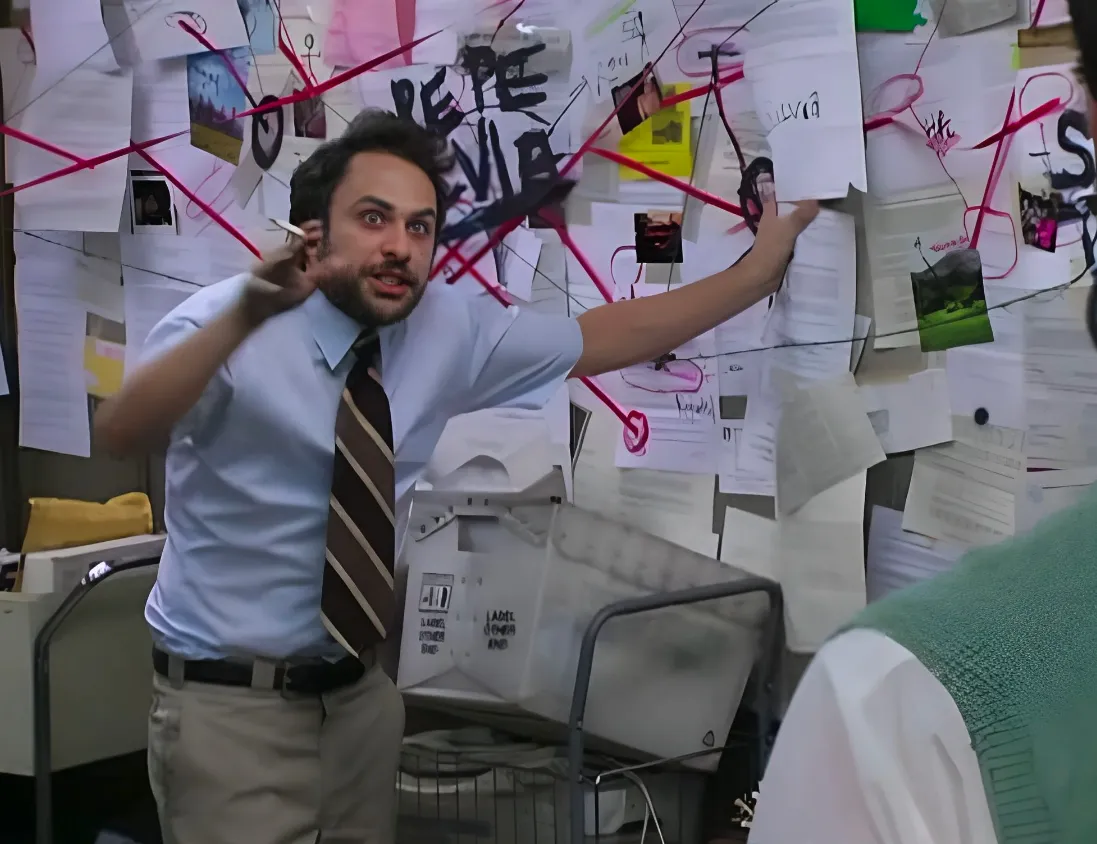
Meme Analysts Debate Hidden Meaning Behind Chart Wiggles
A new wave of chaos has hit the meme trading world as analysts begin debating the supposed hidden meaning behind chart wiggles. These tiny price fluctuations, normally ignored in traditional markets, have become the center of heated discussions as meme traders insist the wiggles reveal secret signals, emotional patterns, or even coded messages from the market itself. Screenshots quickly spread across social platforms, each with wildly different interpretations ranging from deep philosophical breakdowns to pure comedic nonsense.
The fascination with chart wiggles highlights the playful unpredictability of meme culture. What might look like aimless lines in a normal trading environment becomes a canvas for imagination in the meme market. Traders are embracing the silliness, suggesting everything from “wiggle confidence,” “vibe oscillations,” and “market breathing patterns” as explanations. The debate has grown so large that many users now claim the wiggles are more meaningful than actual indicators.
Why chart wiggles became the latest meme analysis obsession
The most important reason chart wiggles captured the community’s attention is the boredom and excitement cycle that drives meme traders. When markets move slowly, traders naturally look for entertainment, and even the smallest movements can spark conversation. Wiggles offer the perfect blend of randomness and visual appeal, allowing users to create theories with absolutely no pressure for accuracy. The freedom to interpret anything keeps engagement high and the mood light.
Another key factor is the community’s love for exaggerated explanations. Meme analysts often parody traditional technical analysis by giving dramatic significance to completely normal movements. Calling a tiny dip a “wiggle of destiny” or a slight rise a “micro pump of determination” fits perfectly with the comedic spirit of meme trading. These humorous interpretations help traders stay entertained even during slow periods.
The trend also reflects how meme traders view charts differently. Instead of treating price movement as data, they treat it as storytelling material. A wiggle can become a plot twist, a character moment, or a sign of emotional energy flowing through the market. This creative spin makes trading feel like a shared narrative rather than a purely financial activity.
Viral theories interpreting every wiggle shape
As soon as chart wiggles became a trend, the community flooded social platforms with theories. Some users claimed upward wiggles represent market optimism, while downward wiggles reflect collective anxiety. Others posted diagrams showing wiggles shaped like gym flexes, hearts, waves, or even mythical creatures.
A few analysts jokingly tried to assign “wiggle value scores” to different shapes, sparking mock debates about which wiggles indicated strong bullish potential. These playful theories gained huge traction because they turned ordinary price movements into entertaining events.
Content creators fueling the wiggle conversation
Influencers and meme creators quickly joined the fun, posting analysis videos using dramatic music, laser pointer presentations, and fake expert commentary about wiggle meaning. Some even created “Wiggle Forecasts,” predicting future market movement based solely on the angle or length of recent wiggles.
These comedic breakdowns added momentum to the trend, helping wiggle analysis spread to users who weren’t initially paying attention. The more absurd the interpretations became, the more the community embraced them.
How wiggle culture influences short-term sentiment
Even though the trend is rooted in humor, wiggle obsession has unexpectedly influenced market sentiment. Traders began sharing positive wiggle discoveries to boost morale during dips, or pointing out “energy wiggles” when they sensed incoming movement. The enthusiasm itself created small bursts of activity and discussion across various coins.
Wiggle culture also encouraged supportive community interaction. Instead of panicking over minor market shifts, traders now laugh at them, turning anxiety into entertainment. This emotional shift helps keep the community engaged and less stressed during volatility.
Conclusion
The debate over chart wiggles has become one of the most entertaining trends in the meme trading world. By turning small price fluctuations into creative theories, dramatic interpretations, and shared jokes, the community has once again transformed ordinary market behavior into a cultural phenomenon. Whether wiggle analysis lasts or fades, it perfectly captures the playful spirit that defines meme-driven markets.



Recent Comments