
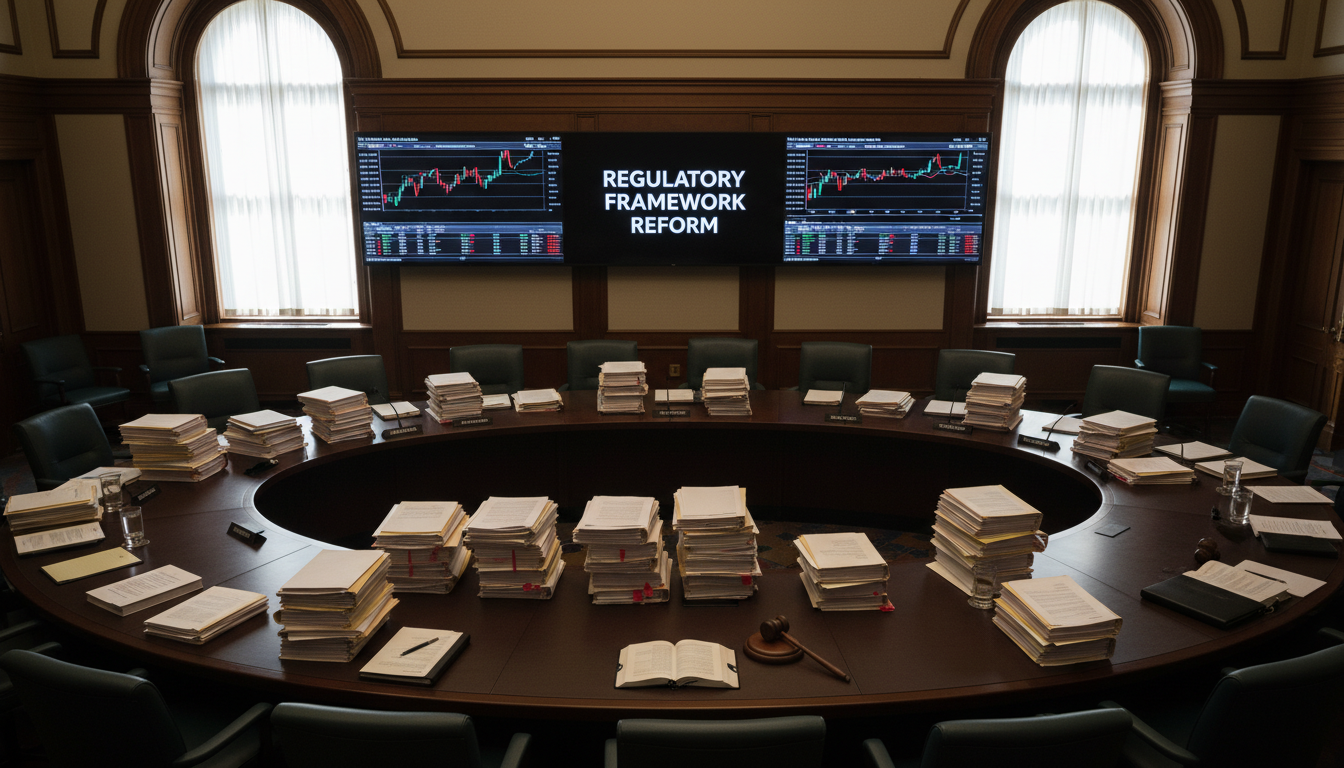
Understanding NFTs and Securities Laws
Today, the SEC Chair’s latest remarks put a sharper frame around how the agency thinks about token markets in the United States. In public comments, Chair Gary Gensler has repeatedly pointed to the Howey test as the core legal tool for analyzing securities laws, and that framework remains central in this Live cycle of enforcement and guidance. The key distinction he has emphasized is whether purchasers are led to expect profits from the efforts of others, a standard drawn from Supreme Court precedent, which keeps NFT regulation tied to the specific terms and promotion of each sale. In that context, an item looks like a standalone collectible rather than a pooled investment when it lacks profit expectations. This Update also matters for marketplaces deciding which listings require tighter compliance controls.
The SEC’s View on NFTs as Collectibles
Live market chatter often treats every token as a potential security, but the SEC Chair has drawn a more specific line around an NFT collectible that functions like a digital good. Today’s commentary aligns with the SEC’s long running approach that facts and circumstances control, a point reflected across the agency’s investor education materials. In a related macro backdrop, rate volatility has been tracked closely in the NFT segment, as discussed in FOMC rate decision and NFT floor prices analysis, which highlights how traders react to policy signals rather than issuer promises. The Chair’s Update focused on structures that resemble investment contracts, not ordinary collectible sales. That framing aims to keep securities laws targeted at fundraising schemes rather than culture and fandom.
Implications for NFT Market Regulation
Platforms are treating the Chair’s message as a practical compliance signal, especially when drops include revenue sharing, buyback language, or issuer managed price support. In that environment, NFT regulation is less about the artwork itself and more about how the offering is marketed, documented, and managed after mint. A separate policy lens is also shaping enforcement attention across digital markets, as regulators are scrutinizing promotion practices and custody controls in parallel with token classification, a dynamic that editors have compared to unrelated headlines such as GameStop $55.5bn eBay Offer: What Changes Next, where deal narratives quickly reshape risk appetite. This Live Update puts pressure on marketplaces to harden listing standards and issuer disclosures.
Investor Considerations in NFT Trading
For buyers, the SEC Chair’s remarks land as a reminder to separate scarcity stories from enforceable rights. Today, investors should watch for signals that a token is being sold with managerial promises, such as planned profit distributions, centralized roadmaps tied to token value, or formal commitments to build returns. Real time pricing can also be influenced by the same liquidity waves affecting other digital assets, including bitcoin, which has been covered in Bitcoin nears $95K as rally broadens this week. That cross market linkage does not itself trigger securities laws, but it can magnify losses when sentiment flips during Live trading. The practical Update is to read terms, promotions, and post sale control features, not just the mint page visuals.
Future of NFTs and Financial Legislation
Lawmakers and regulators are still working through how to standardize oversight without misclassifying ordinary consumer media as financial products. The SEC Chair has argued that existing statutes can already reach investment contract structures, while industry groups continue pushing for clearer categories in Congress. Today’s forward looking challenge is that technology changes faster than rulemaking, so enforcement and guidance often set expectations first, then legislation follows. In that setting, NFT regulation will likely hinge on clearer disclosure norms for royalties, issuer control, and marketing language rather than blanket treatment of every token. International approaches are also diverging, which complicates cross border listings and custody during Live trading windows. The next Update from Washington will be judged by whether it narrows uncertainty for creators and buyers while keeping obvious fundraising schemes within securities laws.



Recent Comments