
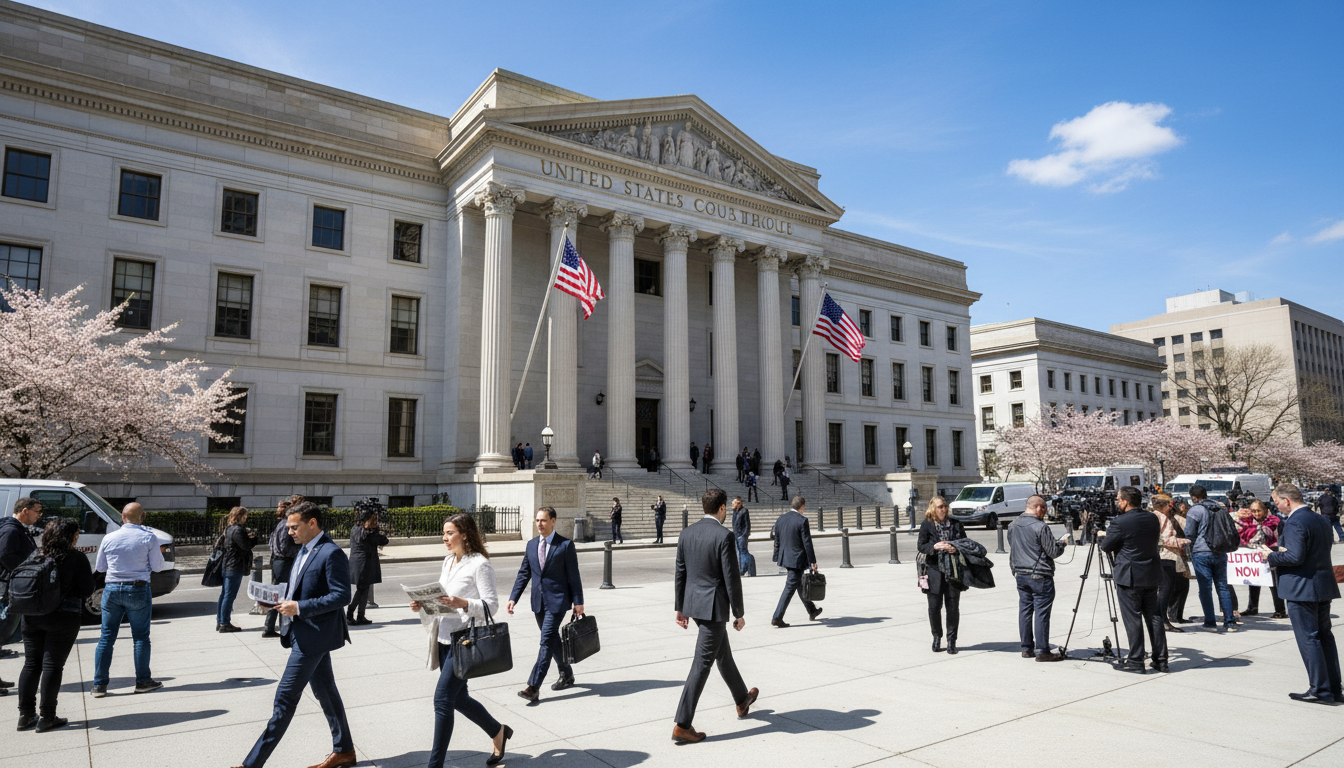
The Legal Journey of the OpenSea Case
Today, US federal prosecutors moved to end the OpenSea NFT fraud prosecution after a prior appellate ruling undermined the theory used in the case. The Department of Justice filing, as covered by Reuters, framed the dismissal as the practical next step once the appeals court reversed the earlier outcome. In the middle of the courtroom narrative, NFT regulation remains the unresolved backdrop because prosecutors had leaned on traditional fraud concepts to police digital asset conduct. Live court dockets show the matter closing without a new trial, and an Update in the court record effectively shifts the focus back to how insider trading like conduct in NFTs is charged.
Implications of the Court’s Reversal
The reversal matters because it narrowed what prosecutors could argue as property in a fraud case, a distinction that appellate judges have treated as decisive in recent wire fraud disputes. Today, legal analysts following the appeals court debate noted that the government must tie alleged misconduct to a clearly recognized property interest or a defined duty, as Reuters summarized in its reporting. A Live read of the ruling’s logic highlights why the case became harder to retry under the same approach, and the analysis at FOMC Today and NFT floor prices shows how headlines can quickly shift trading behavior, while an Update from the docket suggests the government chose efficiency over a longer appellate fight.
Impact on NFT Market and Regulation
Market participants are treating the dropped charges as a signal that enforcement theories will be tested aggressively, not assumed, even when allegations involve NFT fraud. Today, compliance teams at platforms are watching how NFT regulation may evolve, especially if agencies or lawmakers want clearer rules for marketplace employees and listing decisions. A Live reaction from industry counsel has centered on controls, such as restricted trading windows and surveillance around featured drops, rather than relying on post hoc prosecutions, and OpenSea delays SEA token launch amid market strain has been cited by traders as another sign that legal uncertainty influences product timelines. An Update in risk memos now emphasizes documentation and audit trails for staff access to confidential curation data.
What This Means for Future NFT Fraud Cases
For future prosecutions, the immediate lesson is that charging decisions will need tighter statutory fit and clearer proof of duty, rather than stretching older doctrines to new market structures. Today, former federal prosecutors quoted by Reuters have pointed to the importance of choosing charges that survive appellate scrutiny and match the facts that juries can understand. Live enforcement priorities may tilt toward cases with straightforward misrepresentations to buyers, hacked wallets, or laundering patterns that are easier to prove under existing laws. An Update to compliance playbooks is likely because companies still face civil exposure even when criminal cases falter, and regulators can pursue disclosure and market integrity theories through administrative paths. The appeals court outcome also encourages defense teams to challenge novel interpretations early and often.
Expert Opinions on the Case Closure
Legal academics and policy specialists are reading the dismissal as a constraint on prosecutorial creativity, not a free pass for unethical trading. Today, several experts told Reuters that clearer legislative definitions would reduce uncertainty for both innovators and enforcers, particularly where digital assets blur lines between collectibles, securities, and platform governed listings. In that debate, NFT regulation is again the central reference point because it determines whether marketplace conduct is handled through securities style rules, consumer protection, or traditional fraud statutes. Live commentary from practitioners has also stressed that internal controls, employment agreements, and transparent marketplace policies can prevent the fact patterns that lead to criminal referrals, and Reform plan sparks row in Green voting councils UK shows how rulemaking can become the main battleground. An Update from counsel to major collectors is that reputational risk now travels faster than any court calendar.


Recent Comments