
Flow’s Legal Stand against Delisting
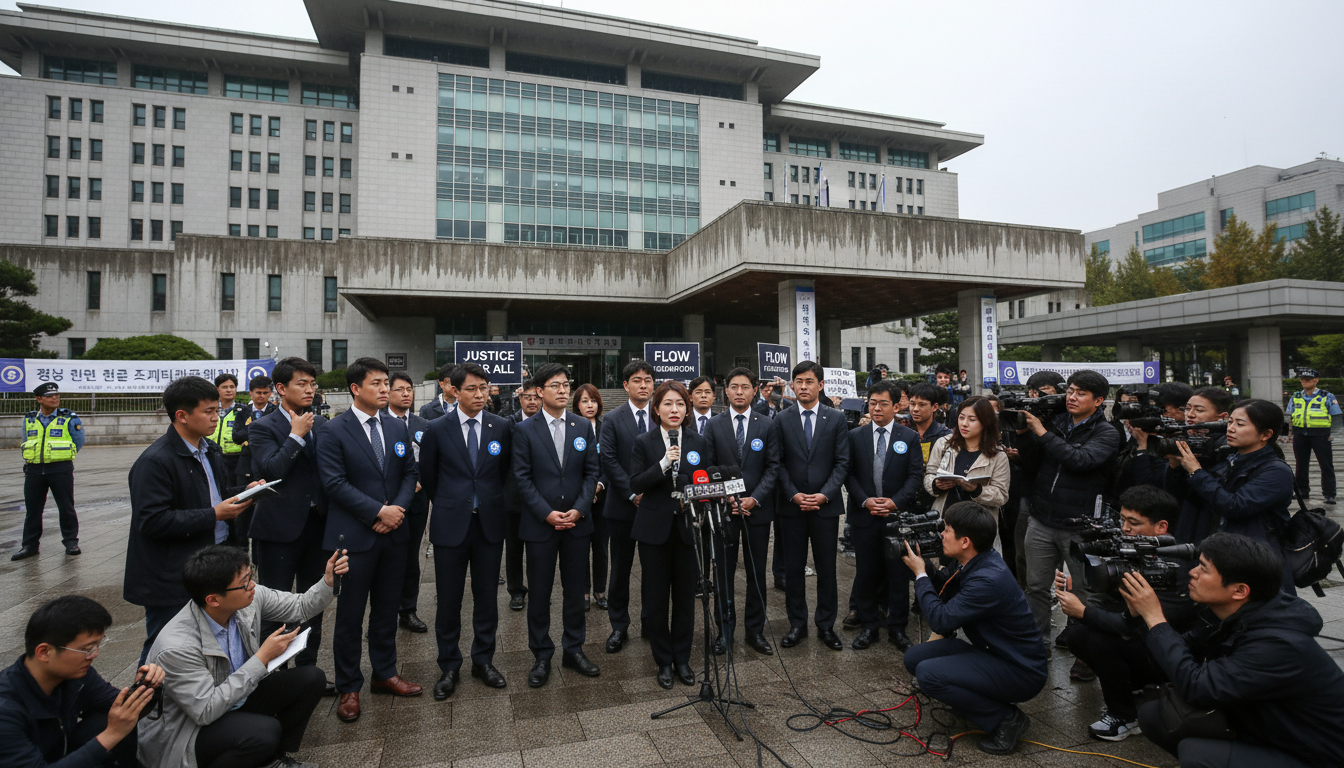
Flow Foundation moved to block an exchange removal that could cut off Korean liquidity for the FLOW token. Court filings described by CoinDesk focus on process, notice, and the measurable market impact of a sudden cutoff. In the middle of this fight, the dispute is being watched as a bellwether for NFT’s regulation because listing decisions can act like de facto gatekeeping without a regulator signing an order. Today, lawyers on both sides are treating the timetable as urgent, with hearings and briefings moving quickly. The foundation has framed the case as a need for interim relief while the merits are heard. Live court scheduling has become the key catalyst for traders positioning around headline risk.
Impact on the NFT Market
The potential removal on Korean exchanges lands at a sensitive moment for NFT-linked ecosystems that rely on token rails for minting, fees, and creator payouts. Market participants tracking Flow Foundation argue that a delisting can chill activity by increasing friction for users who on ramp locally. In a Live trading environment, that friction can show up as wider spreads and thinner order books, which CoinMarketCap methodology notes can amplify volatility when liquidity drops. A separate Update from the macro side is influencing risk appetite as well, with rate expectations feeding through to speculative assets, and for context on how policy days can spill into NFT pricing, see FOMC Today and NFT floor price analysis. Today, the short term question is whether activity migrates offshore or pauses until legal clarity arrives.
Reactions from Industry Experts
Lawyers and compliance officers watching token delisting decisions say the dispute is less about one asset and more about how listing standards are applied and appealed. An Update posted by several Korea focused analysts on X framed the case as a test of transparency around exchange risk committees, although those comments are opinion rather than evidence. To keep comparisons grounded, observers have pointed to public exchange rulebooks and prior enforcement actions by the Financial Services Commission, which sets expectations for market integrity. In a related discussion of how legal signals influence NFT platforms, UK set for cooler week after bank holiday break was cited in newsroom rundowns as an example of how fast changing conditions can shift consumer behavior narratives, even when the subject matter differs. Live, the most consistent expert view is that courts will scrutinize procedure first, then investor harm.
The Outcomes of Previous Legal Battles
Past crypto listing and delisting disputes rarely turn on technology arguments, they turn on documentation, fairness, and whether an exchange followed its published standards. Attorneys involved in comparable cases have noted in public commentary to The Block that emergency injunctions are hardest to win without showing immediate and irreparable harm. In this case, Flow Foundation is trying to clear that bar by emphasizing timing and reliance interests for users, and separately, a U.S. facing lens on how regulators categorize digital collectibles and related tokens is discussed in SEC Chair on NFTs, Collectibles, and US Law, which practitioners cite when evaluating cross border risk narratives. Today, the main legal lesson from earlier fights is that courts may preserve the status quo temporarily, but they demand granular evidence. A Live reading of precedent suggests that even a short stay can reset negotiation leverage between exchanges and issuers.
What This Means for Future Regulations
If the court grants interim relief, policy makers may face pressure to clarify when an exchange decision resembles a regulatory sanction and when it is simply private risk management. That tension sits at the heart of NFT’s regulation debates, because tokens that power creator economies can be affected by listing committees even when user demand remains. An Update to any written guidance from Korean financial authorities could also shape how Korean exchanges document their rationale and communicate with issuers. Today, industry counsel expect more explicit timelines, standardized notice periods, and clearer appeal channels to reduce litigation risk, with Seoul also watching how listing committees at major Korean exchanges document decisions. Live market implications will depend on whether the case produces a narrow order tied to one process issue or a broader standard that other projects can invoke. Whatever the immediate outcome, the filing has already signaled that issuers are willing to litigate delisting decisions when local access is at stake.

Recent Comments