
The CLARITY Act’s Journey in the Senate
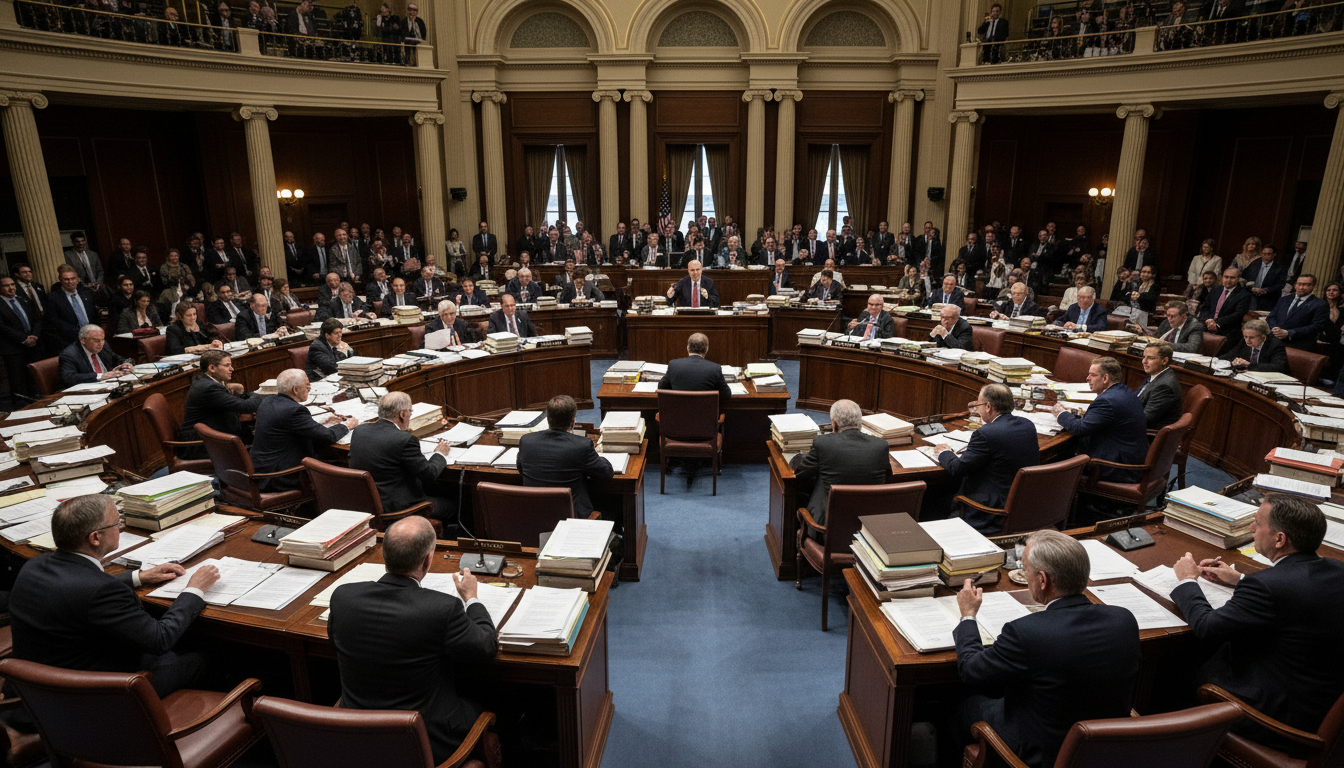
Senators moved the CLARITY Act through a contentious Senate markup that featured procedural friction, competing amendments, and repeated attempts to slow consideration. Committee staff described the session as unusually chaotic in internal readouts provided to reporters on the Hill, while members used floor time to frame the bill as either market structure clarity or a deregulatory risk. Today, the legislative calendar is tight, and leadership is pushing to keep momentum as committee work turns into text suitable for a floor vote. In the middle of the hearing, lawmakers repeatedly returned to whether crypto legislation should draw clean lines between commodities style oversight and securities style enforcement. The committee advanced the measure without resolving every interpretive dispute.
Key Players and Their Arguments
During the markup, Sen. Elizabeth Warren argued that investor protections should not be weakened, and her office circulated a memo to journalists outlining concerns about enforcement gaps. Rep. Patrick McHenry and other House aligned backers, referenced in committee statements carried by major outlets, emphasized market certainty and workable compliance pathways. Live coverage from credentialed reporters in the room tracked how debate pivoted on definitions, especially for digital assets that trade like collectibles but can be promoted like investments. In one exchange, members cited the discussion of an NFT safe harbor described by NFT Evening analysis of the CLARITY Act vote, and update language in proposed amendments focused on disclosures, custody expectations, and the reach of regulators.
Impact on the Crypto and NFT Market
Traders and founders reacted immediately because committee text can shape listing standards, marketplace policies, and compliance spending within weeks. The most consequential near term effect is the signal it sends to platforms deciding whether to geo block certain products or adjust onboarding checks. In market calls this week, lawyers stressed that NFT regulation could hinge on how the bill treats marketing promises, revenue sharing, and secondary sales incentives. A parallel political story about process discipline, not policy substance, appeared in Farage house buy with TV fees triggers UK probe, underscoring how scrutiny can redirect headlines and timelines. Live desk notes from Senate observers highlighted that definitional tweaks can ripple into exchange controls and creator contracts. Today, compliance teams are drafting contingency playbooks while waiting for the next committee text release.
Future Projections for NFT Regulation
The next phase is negotiating which parts of the bill can attract a filibuster proof coalition, and which issues will be deferred to agencies or later packages. Counsel for several marketplaces told reporters that the immediate planning assumption is incremental change, with stronger documentation and clearer consumer risk language rather than abrupt bans. Update expectations are tied to whether Senate leaders schedule floor time before other fiscal deadlines crowd the calendar. Analysts also point to how interpretive guidance could interact with existing marketplace mechanics discussed in NFTs and Stablecoins: How Token Types Shift Now. Live monitoring of amendments matters because a single definitional clause can determine whether an asset is treated as a collectible, a commodity, or a security for compliance purposes. The legislative drafting choices now will influence enforcement priorities later.
Public and Industry Reactions
Industry groups framed the committee outcome as a step toward clearer rules, while consumer advocates warned that speed can create loopholes if guardrails are not explicit. Statements from trade associations were distributed to newsrooms under their official letterheads, and several emphasized predictability for builders and users. At the same time, policy nonprofits told journalists that disclosure standards, conflict rules, and anti fraud tools should be strengthened alongside any market structure reforms. Today, public attention is amplified by social media threads that track each markup vote and circulate clips of member exchanges, including committee room video timestamps shared by Hill reporters. Live commentary from creators focused on royalties, takedown processes, and the risk of uneven treatment across platforms. Update cycles will continue as revised text emerges and stakeholders model how compliance burdens and enforcement clarity might change.



Recent Comments