
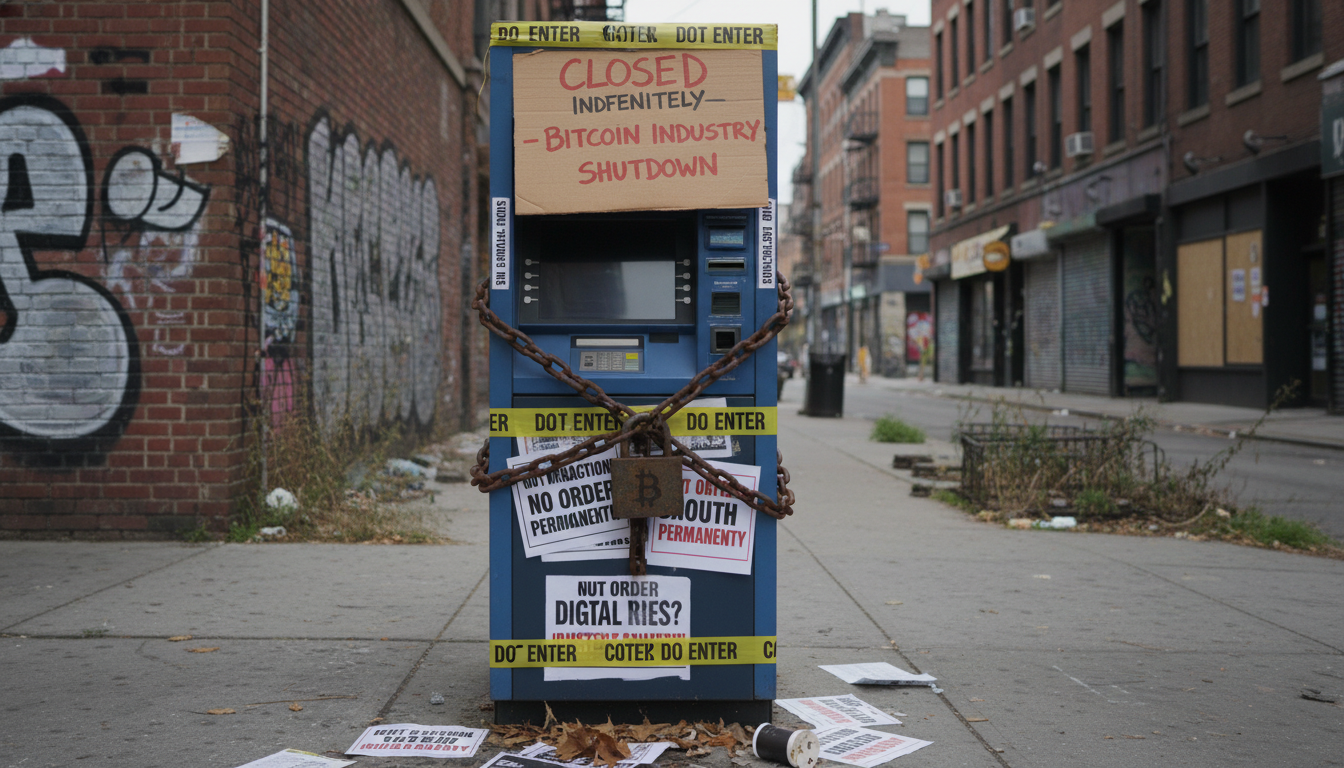
Bitcoin ATMs Under Pressure from Fraud
Today, operators across the United States are pulling back machines as complaints and enforcement actions rise. The Federal Trade Commission said in September 2024 that reported losses tied to Bitcoin ATM scams surged over recent years, and it described a pattern of impostor fraud pushing victims to pay at kiosks. In many cases, the Bitcoin ATM industry is being judged by the worst actors, even when legitimate firms run compliant locations. Live monitoring tools exist, but scammers often coach customers through transactions faster than store staff can intervene. Update notices from consumer agencies are now circulating widely in cities where kiosks once appeared in every convenience store.
Bans and Fees Driving Industry Decline
Local restrictions are accelerating the pullback, and costs are becoming harder to justify for casual buyers. Today, fees at kiosks can be far higher than typical exchange spreads, and consumer advocates say that price opacity creates risk at the moment of purchase. The FTC warning is frequently cited in public meetings, while some states and municipalities debate tighter rules for licensing and signage, as described in Cybercrime Threats Escalate Into Real World Harm. Live vendor dashboards show machines going dark as leases end, and each Update from regulators increases compliance overhead for remaining operators.
Impact on Cryptocurrency Accessibility
As ATM closures spread, the immediate effect is felt by cash users and people without easy access to online platforms. Many kiosks were marketed as a simple way to buy bitcoin atm, but the convenience is shrinking as storefront networks thin out. The Federal Bureau of Investigation has warned in public scam alerts that fraudsters frequently direct targets to cryptocurrency kiosks, which adds reputational pressure on retailers that host them. Live availability maps show fewer machines in rural corridors where cash conversion was a key use case. Some users shift to regulated exchanges, while others turn to informal peer-to-peer channels. Update cycles in kiosk pricing also mean fewer predictable costs for repeat customers.
Legal and Regulatory Challenges
Compliance has become the central survival issue, with crypto regulation tightening around money transmission, consumer disclosures, and identity checks. The Financial Crimes Enforcement Network sets federal expectations for money services businesses, and state regulators can add licensing, bonding, and examination requirements that vary by jurisdiction. For operators that stay, the Bitcoin ATM industry must document controls for transaction monitoring and suspicious activity reporting while still keeping retail uptime, alongside coverage such as CLARITY Act vote and its digital asset implications. Live enforcement headlines raise legal risk, and each Update to state guidance can trigger expensive reconfiguration.
Future Prospects for Bitcoin ATMs
Survival is likely to depend on trust signals that separate compliant networks from scam-adjacent placements. Some firms are experimenting with stronger customer verification, clearer receipts, and on-screen warnings that align with FTC consumer guidance, while retailers demand contractual protections, and traders tracking sentiment swings have looked at NFT ETF market performance: volumes, flows, risks as a proxy for risk appetite across digital assets. A portion of demand could migrate to debit-like crypto onramps, but kiosks may persist in limited settings where cash conversion remains important and staff can supervise usage. Live conditions will hinge on whether operators can cut fees, reduce fraud exposure, and absorb each regulatory Update without shrinking further.



Recent Comments