
Institutional NFTs and the new flow playbook
Institutional NFTs are increasingly seen as a tradable indicator of risk appetite rather than a long-term cultural investment. In 2024 and 2025, some desks monitoring onchain and exchange liquidity indicate faster rotation behavior, with capital moving between liquid tokens, stablecoin funding, and NFT bids within short periods. The importance lies in how dealers and market makers manage exposure across venues and their quick hedging ability, potentially influencing NFT bid widths. This sensitivity to execution conditions often outweighs headlines. When Bitcoin and Ethereum ETF flows decline, it might align with tighter risk limits, even in the absence of specific NFT news.
Institutional NFTs: what desks track in liquidity and custody
In practice, decisions depend on factors like custody options and reporting standards, and whether positions can be financed without a single marketplace dependency. Prime broker commentary often covers settlement timing and counterparty limits, impacting institutional NFT investments. Preferred collections usually have consistent volume and transparent pricing history, not just social momentum. A parallel is seen in institutional repricing when inputs change, as explained in Apple price increase. Desks may tighten spreads and reduce inventory during volatility spikes.
How XRP and HYPE rotation might impact institutional NFTs
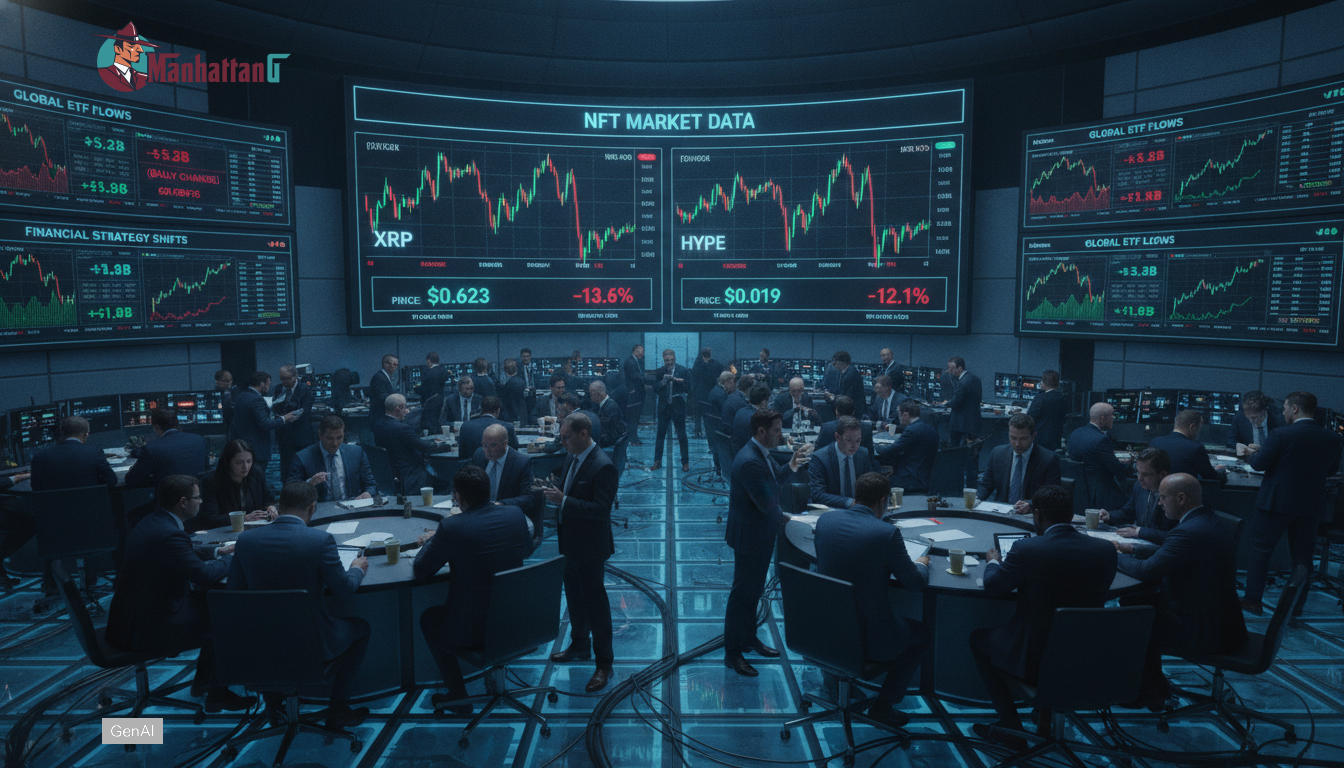
According to available reports, rotation into XRP and HYPE may influence NFT investments via liquidity spillovers, at least among active traders. As token markets become directional, market makers may shift capital to venues with deeper order books, temporarily reducing available capital for NFT quoting. Regulation shapes trading and custody practices, influencing where liquidity concentrates. These changes may alter onboarding speed and reporting requirements, affecting institutional NFTs.
ETF flow signals vs. onchain execution reality
ETF flows are used as macro signals, but don’t directly translate to onchain risk due to different participants and timelines. When Bitcoin and Ethereum ETF exposure is reduced, it might reflect hedge adjustments or duration risk trimming, not necessarily network views. For context on macro risk and rate expectations, see Bitcoin Price Drops. XRP buying could amplify short-term momentum, influencing how risks are priced. This might reopen bids in institutional NFTs when stablecoin funding costs ease and dealers expand inventory limits; more on regulation impacts in NFT’s Market Updates.
What’s next for institutional NFTs in 2025 and 2026
Standardization might define the next phase: tighter custody controls and more consistent compliance policies. By 2025, emphasis may be placed on audited marketplace data and stricter counterparty limits for lending secured by digital collectibles, varying by jurisdiction. For insights on how structural factors could influence pricing, see NFT Marketplace Outlook. Institutional NFTs will depend on whether liquidity remains concentrated or fragments across platforms, affecting price discovery and execution quality. More durable bids usually follow transparent execution, consistent reporting, and predictable settlements.



Recent Comments