
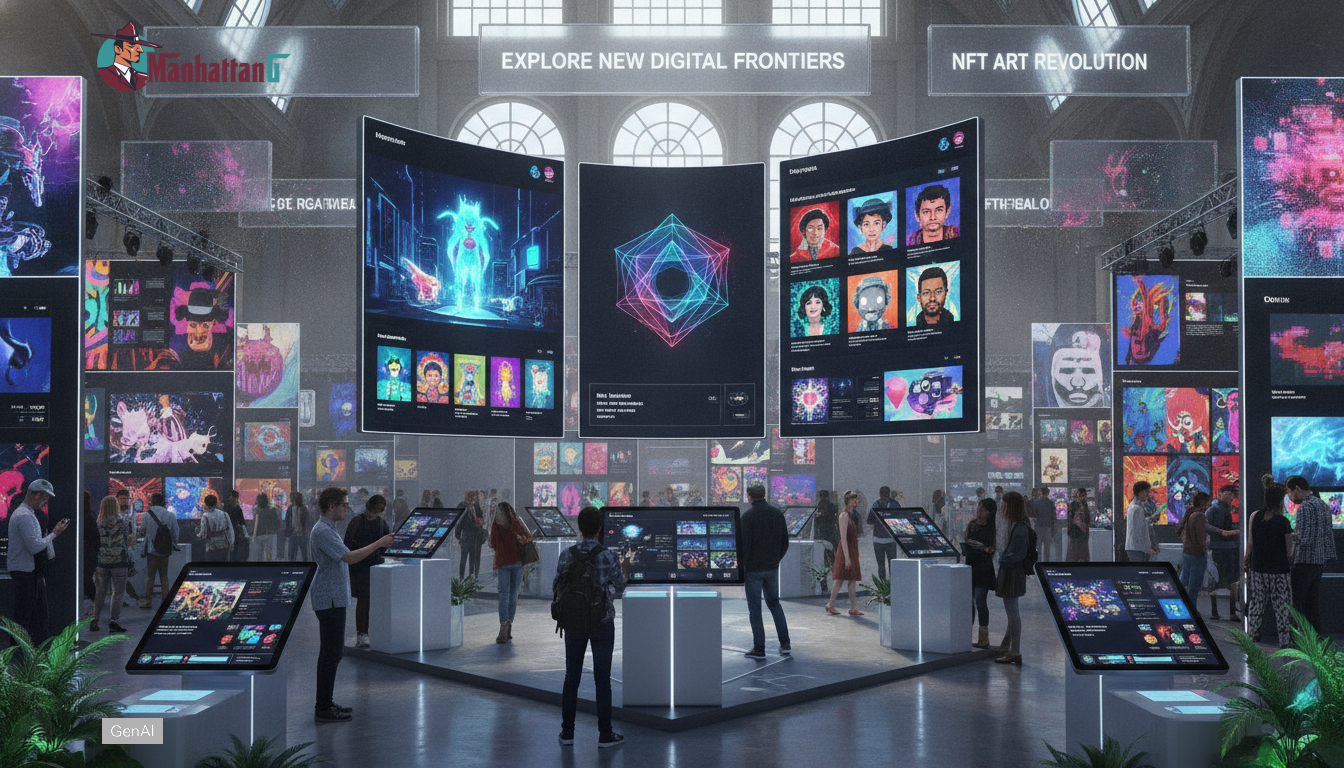
What Are Non-Fungible Tokens in 2025?
Non-fungible tokens are unique blockchain assets that prove ownership or rights to digital items like art, music, or videos. Unlike interchangeable cryptocurrencies, each token holds distinct metadata and an onchain history. In 2025, creators use these tokens to bundle provenance, license terms, and community perks into one asset that can be minted, sold, and resold, following marketplace rules. This guide explains the concept and how marketplace choices impact visibility, fees, and royalties.
How NFT Marketplaces Work for Creators
NFT marketplaces connect wallets, listings, and smart contracts, allowing buyers to explore collections, verify origins, and make purchases. Marketplace dynamics evolve, with OpenSea as a broad venue and Blur known for quick listing flows. Foundation and SuperRare focus on curated drops with tight controls, while Zora emphasizes onchain publishing. In music, Sound.xyz prioritizes fan access. Reports suggest platforms may adjust rules rapidly, highlighting the need for creators to stay adaptable.
Choosing a Marketplace for Non-Fungible Tokens
Where you list non-fungible tokens can depend on platform risk and features as much as trading volume. Marketplaces compete with different storefronts, analytics, and royalty controls. According to available reports, some venues add compliance checks to mitigate account issues, which is crucial when relying on a single payout route. European service availability is under regulatory scrutiny, prompting creators to consider backups for minting and withdrawals. Timing can impact listing access, so stay informed.
Fees, Royalties, and Security Basics
Fees can be a critical differentiator when you have an audience. Mint costs, marketplace commissions, and swap fees can add up. Network expenses fluctuate, with Ethereum often costing more during congestion, while Solana and layer two networks may reduce costs for editions. Review each venue’s schedule and contract terms. According to coverage from Institutional NFT’s, professional buyers evaluate controls with a focus on custody standards. Security features like listing protection and account recovery vary by platform.
Buyer Insights and Controls
For deeper insights into buyer evaluation strategies, Institutional NFT’s: compliance, custody, and standards outlines key custody expectations.
Practical Selling Strategies and 2025 Trends
Selling NFTs in 2025 is evolving into a cycle of releases focused on collector retention. Pair editions with clear rights, utility, or exclusive content. Improve discovery through collaborations, diverse listings, and cross-posting rather than relying on a single feed. For high-value work, gated mints and timed auctions can help maintain pricing, while lower-priced works benefit from smoother checkouts. As indicated by DeFi Hacks Liquidity coverage, wallet approval remains an operational risk.


Recent Comments