
Overturned NFT Insider Trading Verdict: Court Revelations
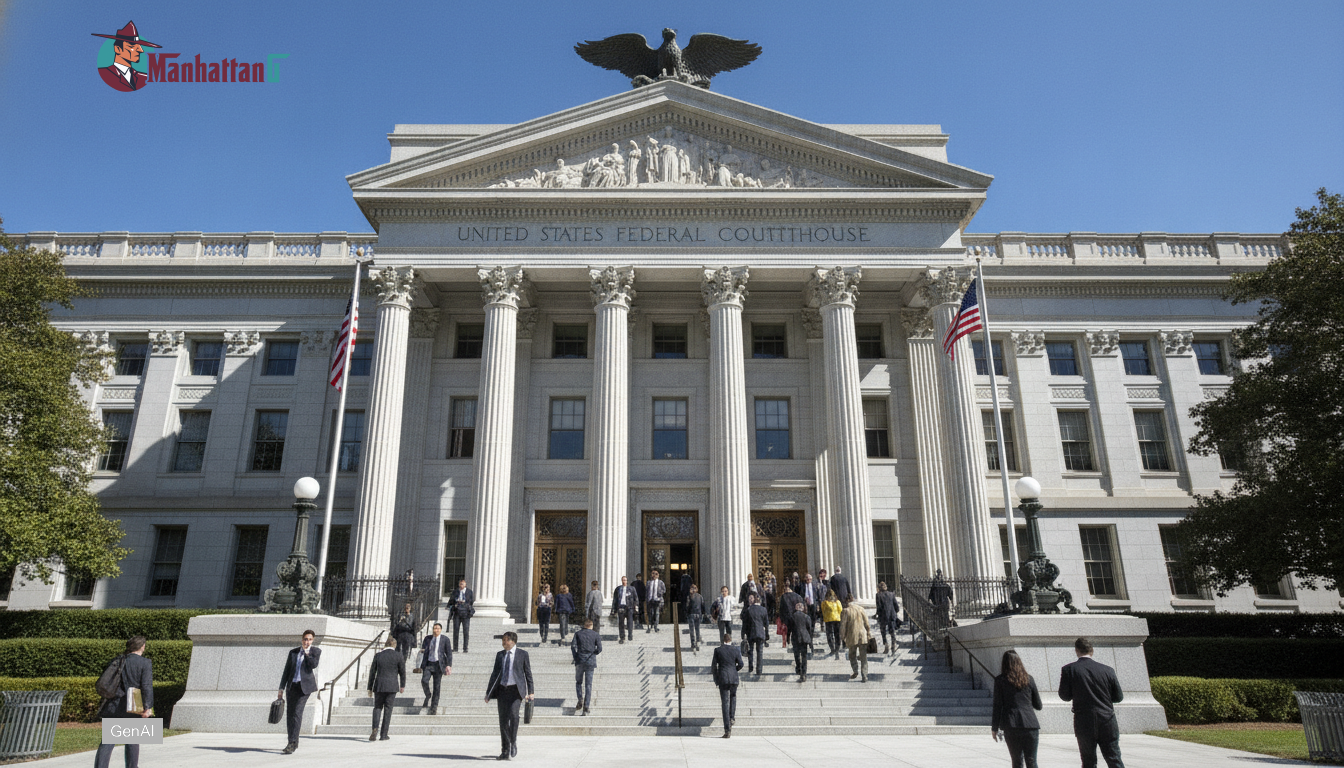
Recently back in the headlines, a US federal appeals court has reportedly overturned what was described as the first conviction tied to trades in nonfungible tokens. According to available reports, the reversal centered on how the case was charged and if the government proved the fraud theory to jurors. The panel reviewed whether the evidence, jury instructions, and the alleged plan aligned with a clearly defined duty and a concrete deprivation. Reports suggest the outcome indicates prosecutors may need more precision in describing the alleged scheme and obligation at issue. While prosecutors can pursue alternate theories, the opinion might set a higher bar for clarity.
Importance of Marketplace Listing Information
Advance knowledge of marketplace decisions like which collections will be featured or promoted is key in many alleged NFT insider trading scenarios. This information can move prices quickly, but it may not fit traditional securities concepts, depending on facts and platform policy descriptions. Outside crypto, similar governance debates highlight why clarity is crucial for public trust. For platforms, according to coverage, the appeal outcome underscores the need to define what information is confidential, who owes duties, and what users are promised in terms of fair access. Clear policies can impact case viability.
Implications for NFT Regulation and Compliance
According to available reports and legal commentary, the opinion might influence NFT regulation discussions by encouraging marketplaces to implement tighter controls. Practical steps include documented procedures and approvals, which show who knew what and when. Operators planning compliance roadmaps can consider 2024-2026 strategies as outlined in https://manhattang.com/nft-regulations-practical-guidance-for-2024-to-2026/. These measures are crucial because appellate review often considers whether duties and promises were explicit enough for a jury to assess intent and materiality in appeals.
Community and Market Reactions
Public commentary appears divided between those who see the reversal as a check on expansive theories and those concerned it may imply tolerance for unfair trading. Marketplace teams emphasize ethics rules around featured drops, homepage placement, and access to listing pipelines, stressing that credibility relies on minimizing conflicts. Broader sentiment is also shaped by recent market declines and thin liquidity, discussed in https://manhattang.com/nft-market-decline-data-drivers-and-whats-next/. Buyers are focused on due diligence questions, particularly around policy-driven promotions and insider trading risks.
Future of NFT Insider Trading Charges
Prosecutors may adjust how they frame cases when the alleged advantage comes from confidential marketplace decisions. Available reports of the appeals ruling emphasize that evidence, duties, and jury instructions must align with a coherent theory, or a conviction may not hold. This could shift investigations towards wire-fraud approaches or cases with explicit platform policies creating clear duties. Industry participants should note that while NFT insider trading isn’t off the table, the legal route may narrow, requiring careful proof tied to promises and user expectations.



Recent Comments